

Social media measurement is an essential part of any social media campaign. At least it should be. You measure your social media activity by looking at specific metrics. Certain sets of metrics will help indicate how you’re performing on social media.. Without them, you won’t accurately see if your activities are helping or where you can improve. So it’s crucial to your success. There are so many metrics available for social media measurement, which can be overwhelming for beginners. Also, not all your followers will see your content, so engagement metrics may reflect interactions from both followers and non-followers.
When you just get started measuring your social media performance, it can be pretty overwhelming. That’s why we want to give you a run-down of the basic social media measurement terms you need to know. Basic analytics are a good starting point for those new to social media measurement. Social media analytics tools can help simplify the process of tracking and understanding metrics. Competitive analysis is also an important aspect of social media measurement for benchmarking against competitors. If you’re not familiar with these core concepts, you’re going to get lost really quickly. So if you’re new to analyzing social media, this post is for you.
Too basic for you? If you’re already an experienced vet in the field, test your knowledge with our more advanced posts about social media marketing definitions and marketing acronyms.
Introduction to social media metrics
When it comes to building a strong social media presence, understanding social media metrics is key. These metrics are the foundation for measuring the success of your social media efforts and evaluating the impact of your social media campaigns on your target audience. By tracking key metrics like engagement rates, follower growth, and customer satisfaction, you gain valuable insights into your social media performance—insights that help you refine your social media strategy and make smarter decisions.
Social media metrics allow you to identify trends and patterns in your social media data, showing you what’s working and where there’s room for improvement. Whether you’re aiming to boost engagement, grow your audience, or improve customer satisfaction, monitoring these essential metrics ensures your social media marketing is aligned with your business goals. Ultimately, effective social media measurement empowers you to optimize your marketing strategy, allocate resources efficiently, and drive real business growth through your chosen social media platforms.
Definitions you need to know
1. Impressions
Definition: The number of times your content is displayed. Impressions refer to how many times your social media posts are displayed to users.
Why it’s important: Every time your post is displayed online counts as an impression. This is a social media measurement basic. The more times your content is displayed, the more likely people are to see it or interact with it. Which is something we’re all working towards. It’s similar to reach, but they’re not the same thing.
You can track impressions for each social media account to compare performance across different platforms.
2. Reach
Definition: The amount of people that your content can potentially be seen by.
Why it’s important: Reach tells you the number of people’s accounts that your content has appeared to. Reach can be measured for a particular post to assess how many unique users have seen that specific content, helping you understand its visibility. Where impressions tells you the total amount of times your content was displayed, reach tells you the total amount of people it was displayed to. For example, if you have 3 impressions, they could all come from the same person, so your Reach would only be 1. It also isn’t the same as unique users, as a user can be counted on multiple days for reach, but will still only be one user. Not all your followers will see every post, so measuring reach for a particular post is important to gauge its spread. Reach is a better metric than impressions, but unfortunately some platforms like Twitter are limited to reporting impressions.
3. Engagement
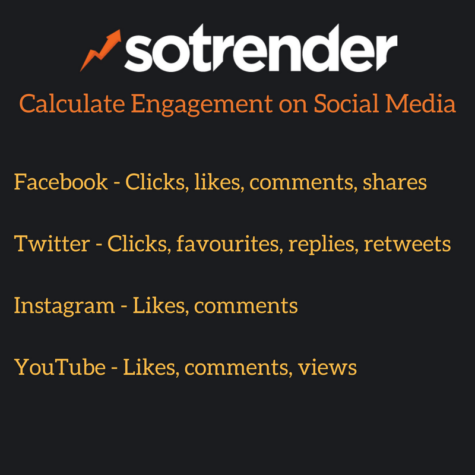
Definition: The number of users that have interacted with your content. Engagement metrics, also known as social media engagement metrics, include likes, shares, and comments. These are valuable metrics for understanding how your content resonates with your audience.
Why it’s important: The more engagement you have, the more people are liking, sharing, and commenting on your content. Engagement rate is a key metric for evaluating content performance, as it measures how actively your audience interacts with your posts. You can calculate engagement rate by dividing total engagements by total reach or impressions, which is important since not all your followers see your content. No matter which platform you use, engagement will always be one of the most important indicators of your success. Having engaging content keeps your audience happy and improves its chances of going viral.
4. Algorithm
Definition: This refers to the way a social media platform presents content to its users.
Why it’s important: The algorithm is the code that makes certain posts appear at the top of your feeds and others at the bottom. Algorithms often use social metrics such as engagement and reach to decide which content appears in users’ feeds. Some platforms use an algorithm that sorts chronologically, and others use one that sorts by relevance. Depending on the algorithm, you’ll have to adjust your strategy to maximize your results. Tracking metrics helps you understand how algorithm changes impact your content’s visibility.
Learn more about Algorithms on:

5. Click-Through Rate
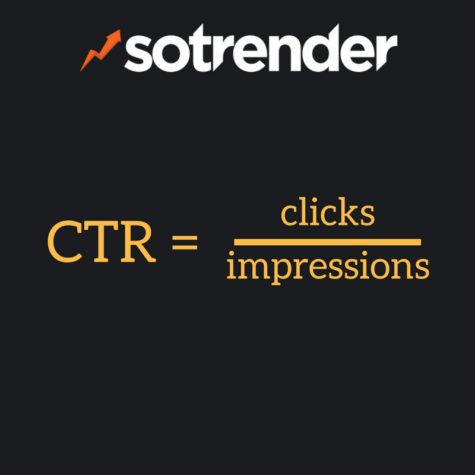
Definition: The amount of users who clicked through a link to your website/services compared to the amount of people who viewed the content it was a part of.
Why it’s important: The more people that are clicking through to your intended content, the closer they are to purchasing your product or services. Social media can help bring in new customers, and click-through rates help you see how many people are successfully being brought in that direction. A higher CTR from your social media post can lead to increased web traffic. Tracking CTR for each social media post helps you understand which content drives the most website visits.
6. Frequency
Definition: How many times you’ve reached the same person with a specific piece of content.
Why it’s important: The amount of times a user sees your content will affect how they feel towards it. The more people see the same content from you, the more likely they are to become annoyed with it. And that can lead to them hiding your posts, which you want to avoid! You have to find the right balance that will engage your users but not tire them out. You can read more about frequency on Facebook here.
This shouldn’t be confused with posting frequency, which is indicates how often you make unique posts on a social media platform. That is also important, as you need to find the right balance for your business. Unless you’re a media profile, then it’s very different!
Monitoring tools can help you track how often your content is seen by users, making it easier to measure and optimize your frequency.
7. Segmentation
Definition: The type of users that are part of your social media community separated by the type of actions they take with your content. Analyzing audience demographics helps you understand the makeup of your social media community. Audience insights can reveal behavioral and interest-based data to inform your segmentation strategy. Online communities are also valuable sources of data for segmenting and understanding your audience.
Why it’s important: Not all of your users will behave the same way to your content. You want to attract people who will engage and share your content, and looking at what kind of users you have is the first step to improving this. Segmentation of users is also one of Sotrender’s unique features.
8. Hashtags
Definition: The name of this # symbol, which helps people group and share similar content.
Why they’re important: It’s not just a fad for millennials. Hashtags are important across social media platforms, making your content easier to find and helping you reach the audience you want. Effective hashtag use can also increase brand mentions across social media channels, making it easier to track your brand’s visibility and engagement. You have to use them intelligently if you want to succeed.
Learn more about hashtags on:
9. Response Rate
Definition: The time it takes for your brand to reply to user actions on social media.
Why it’s important: Social media is a conversation. The longer you take to respond, the less your audience is going to have a positive impression of you. Customer service metrics, such as response time and satisfaction, are key indicators of effective social media support. Measuring service interaction quality can help improve your brand’s reputation. Sentiment analysis can be used to assess the tone of customer interactions and overall brand perception. And if you don’t reply at all, your brand image is going to be hit. You want to respond to as many of your users as you can, especially when they have valid concerns. You can read more about providing customer service on social media here.
10. Conversions
Definition: The amount of social media users that perform an action you desire, like signing up for your newsletter, downloading an ebook, or buying your product.
Why it’s important: Conversions is a popular online marketing term, and even more important for social media specifically. No matter what you do on social media, you want to get casual users or fans to take part in reaching your goals. Tracking conversions also helps you understand how much revenue your social media efforts generate. If a high number of your social media users start using your services or become actual customers, you know you’re doing something right. Customer satisfaction score (CSAT) and net promoter score (NPS) are valuable metrics for measuring customer happiness and loyalty after a conversion. Customer loyalty can be assessed through repeat conversions and positive feedback, and NPS is a key indicator of how likely customers are to recommend your brand. For example, someone who sees a link to your product on one of your Facebook posts and clicks on it and then buys the product would count as a conversion. It’s become all the easier thanks to pixels. You can read more about optimizing conversions here.
11. CPM, CPL, CPC, CPV
Definition: These stand for Cost per thousand impressions (CPM), Cost per lead (CPL), Cost per click (CPC), Cost per view (CPV).
Why they’re important: All of these metrics indicate similar information – how much your advertising will cost per a certain action or actions. Advertising cost is a key metric for managing your budget in advertising campaigns. Tracking performance data from your advertising campaigns helps you optimize your ad spend. Reporting tools can consolidate all these metrics for easier analysis. Essential social media metrics include follower growth measures, which help you track the effectiveness of your campaigns. Deep insights from analytics tools can reveal trends and opportunities for improvement. Social media reporting is crucial for presenting your results to stakeholders. Pinterest analytics is an example of a platform-specific tool for tracking campaign performance. When you start advertising, you’ll need to know what your goals are and how to measure your success with the metrics above. It’s good to get familiar with them and see which ones are most important for you and your business.
That’s a good start! It’s still a long way to go, but the end benefits of social media measurement are worth it. If you want more, be sure to check out our knowledge base for tons of info on using social media.
Or better yet, jump into the deep end and start analyzing with already!