


You would be hard-pressed to come across an individual today who doesn’t have access to at least one social media account. Over the past decade, social media has become an essential part of our lives, and these tools have become game-changers for businesses, brands, and individuals looking to engage with their audience.
However, simply posting content isn’t enough. A strong social media strategy ensures that every piece of content you put out there will perfectly align with your brand’s identity and objectives.
A well-executed social media messaging strategy is needed to stand out in a crowded market. If you’ve got no clear direction, your business may struggle to connect with your audience. Learn how to develop a brand voice to avoid inconsistent branding and missed engagement opportunities.
Strong social media messaging not only helps build brand awareness but also shapes your brand image by ensuring your messaging is authentic and relevant.
Let’s explore the importance of effective social media messaging and outline eight key steps to developing a successful digital campaign strategy. Effective messaging is essential for any successful business, as it drives brand consistency, customer engagement, and long-term growth.
- 7 days for free
- No credit card required
- Access to all premium features

Importance of effective social media messaging
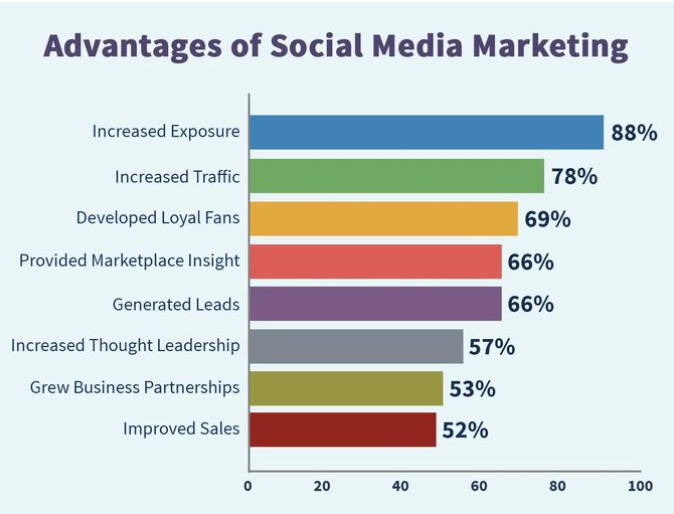
Social media can reach billions of users a day. This equates to a lot of buying power. Capturing and maintaining their attention requires more than just visually appealing content. The messaging behind each post plays a critical role in how an audience perceives a brand. Knowing your target audience personas helps you to craft content that sticks.
An effective strategy helps businesses establish trust and reinforces social media brand loyalty by building positive relationships with your audience. A thought-out messaging strategy enables a brand to communicate its values and mission clearly across all platforms in the same way.
When messaging is consistent, it enhances brand recognition, making it easier for customers to identify and connect with the company. Furthermore, this encourages user engagement, which can lead to higher interaction rates and create a sense of community among followers. Effective messaging also fosters customer engagement and helps in making meaningful connections with your audience.
Aside from engagement, solid messaging can also support other business objectives, such as driving website traffic, increasing conversions, and generating leads.
9 Steps to create a social media messaging strategy
In today’s social media world, understanding ongoing trends and adopting a strategic approach is essential for success.
Here are eight steps you can follow to create an effective social media strategy:
Establish clear goals to guide your messaging strategy
The first step is to establish clear goals that you can use as a guide for your messaging strategy. The crux of any successful social media page starts with defining clear goals. Without any specific objectives, your messaging can become cluttered and inconsistent with the rest of your online and offline presence.
You should begin by:
- Identifying your primary objectives: Are you looking to increase brand awareness, generate leads, boost sales, or foster community engagement?
- Aligning goals with specific social media platforms and overall business goals: LinkedIn is best for professional networking, while TikTok is ideal for visual storytelling.
- Using the SMART criteria to help you set goals: These should be specific, measurable, achievable, relevant, and time-bound. Select key performance indicators (KPIs) that align with your business goals to measure progress and demonstrate ROI.
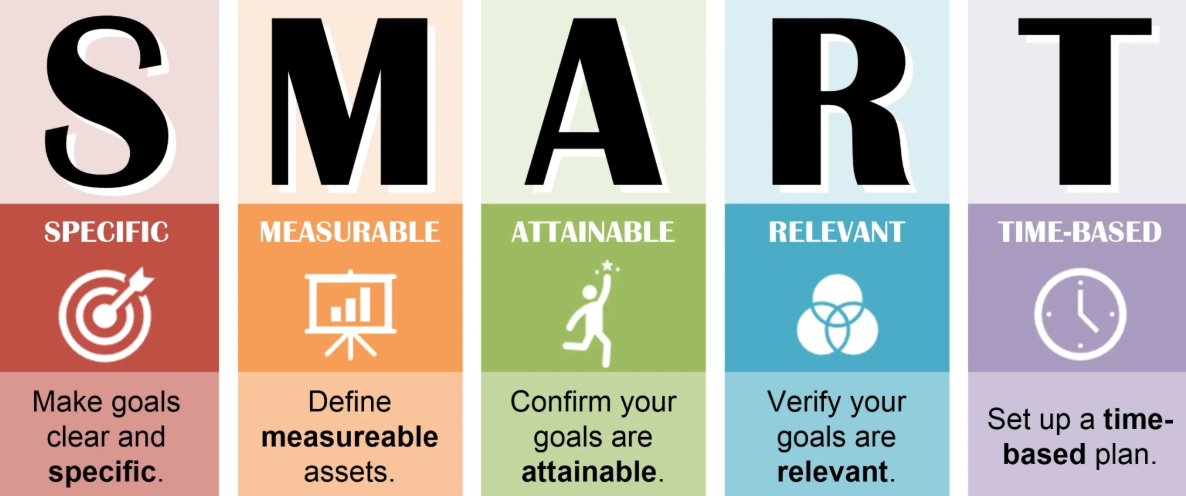
Instead of aiming for vague goals like “Increase engagement,” a more structured way of doing it would be to set a goal such as “Increase X engagement rate by 20 percent in the next six months through interactive content, such as polls and Q&A sessions.”
It’s important to remember that each platform serves a different purpose, so you’ve got to tailor goals accordingly. You’ll need a TikTok whizz to create eye-catching and engaging videos for your account there, but you’ll also need a copywriter to create thought-provoking tweets over on X.
At the same time, they all need to tie together to ensure you’re promoting coherent messaging across the board. To track success, regularly monitor your chosen KPIs to ensure your strategy is effective and driving results. You may want to team up with influencers or affiliate marketers to help your content reach a wider audience.
Conduct market research and competitive analysis to inform your approach
Before you dive into crafting your messaging strategy, it’s essential to lay a solid foundation with thorough market research and competitive analysis. Start by gathering data about your target audience: what are their interests, pain points, and online behaviors? Understanding these factors will help you tailor your social media messaging to address their specific needs and preferences.
Next, take a close look at your direct competitors. Analyze their social media presence, messaging strategies, and engagement tactics. What are they doing well, and where are the gaps you can fill? This competitive analysis will help you identify opportunities to differentiate your brand and stand out in a crowded market.
Align your findings with your broader business objectives and social media marketing strategy. Use marketing tools like Google Analytics to track key metrics such as website traffic and engagement, ensuring your social media efforts are driving real business outcomes. By continuously monitoring these insights, you can refine your messaging strategy to better connect with your audience and achieve your marketing goals.
Develop detailed audience personas to craft engaging messages
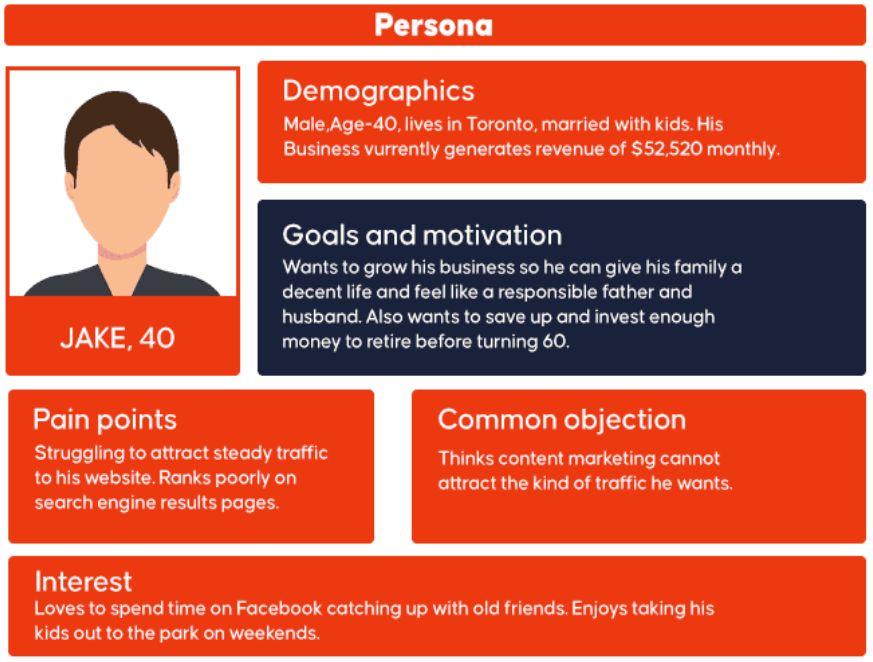
Understanding buyer personas is vital for creating messages that really resonate. Gaining a deep understanding of your target customers is a key tool to have in your social media brand kit. Instead of speaking to a broad audience, you should develop detailed buyer personas that reflect your ideal customers. This includes details such as:
- Demographics: Age, gender, location, income, and job title
- Psychographics: Interests, values, pain points, and buying behavior
- Social media habits: Preferred platforms, content preferences, and engagement patterns
- Humanizing your target customers: Buyer personas help humanize your customers and guide your messaging to better connect with their needs and preferences.
You can then use this to create messages that address your audience’s needs and concerns. For example, if you sell high-end make-up products, the messaging should highlight the luxury look the customer will get after applying them. Aligning content with audience values makes messages more impactful and increases the likelihood of engagement.
Market research tools, such as Google Analytics and customer surveys, can provide valuable data on audience behavior, and you can use ecommerce automation to help you execute any changes. This can help you to adapt your messaging if necessary to ensure you’re hitting the right pain points for your audience every time.
Create a consistent brand voice that reflects your brand’s identity
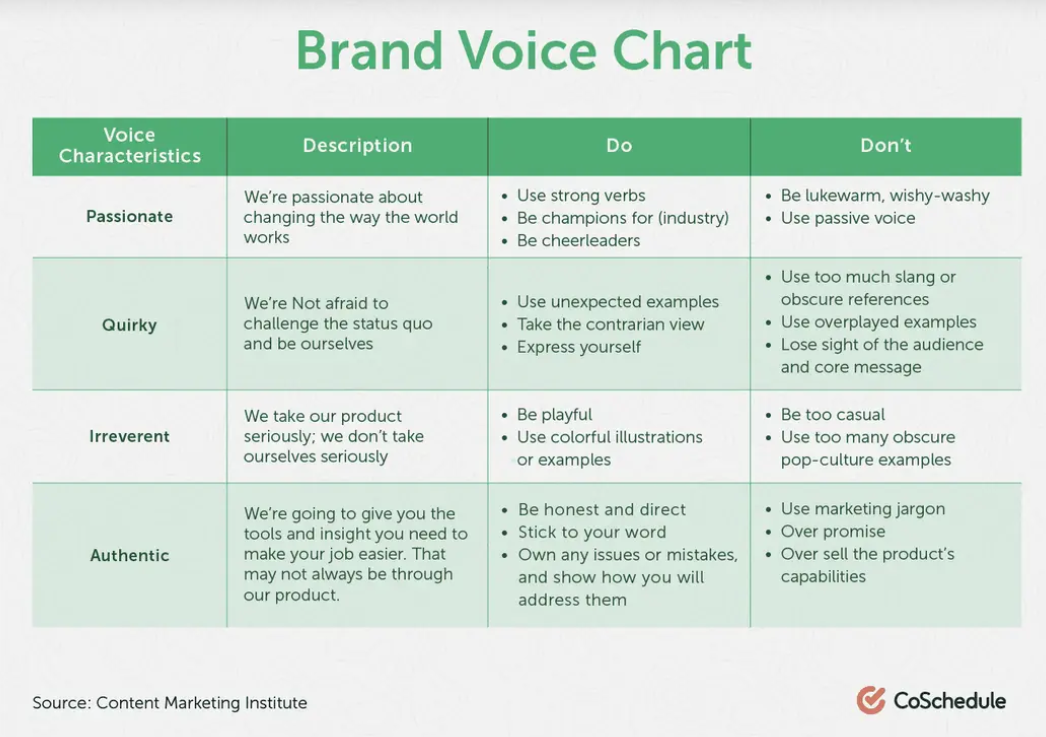
A strong brand voice is a critical element of social media messaging. It defines how a brand communicates across different platforms and ensures that its tone and personality remain consistent. Think of some of the biggest brands in the world and how they navigate social media while keeping their brand voice. Sharing your brand’s journey—highlighting your origin, values, and mission—can help create an authentic narrative that connects emotionally with your audience.
In some cases, a unique brand voice can be the making of a business. Duolingo, for example, has a strong presence on social media with its humorous videos and witty replies. This has drawn more people to the brand who may not have originally engaged with it.
So, how do you develop a brand voice? Well, it should align with the company’s core values, mission, and industry. Some businesses may choose a professional and authoritative tone, while others may adopt a friendly and conversational style.
A good way to discover your brand voice is to look at how you speak to your customers and how they speak to you. Your brand voice may have already been apparent all along based on your previous interactions.
For instance, if you’re selling VoIP phones, you may wish to keep the tone professional and informative. Alternatively, you may wish to create a new brand voice to foster more engagement online.
To maintain consistency, businesses should create brand guidelines to form a social media branding kit that outlines the tone, language, and messaging style to use. This ensures that all content, from social media posts to customer interactions, reflects a unified brand identity and maintains a consistent voice across all communications.
Your brand voice is the personality and tone of your social media messaging. It should remain consistent across all platforms to create a cohesive brand experience, so you should:
- Decide whether your tone should be professional, conversational, inspirational, or humorous, depending on your brand identity.
- Maintain consistency by developing a brand voice guide.
- Ensure that every post, comment, and interaction aligns with your brand’s personality.
Adapt your content to fit the format and behavior of each platform
As we’ve discussed, different social media platforms require different approaches to messaging. What works on X may not be as effective on Instagram or LinkedIn. Understanding the unique characteristics of each social platform is crucial, as it allows you to tailor your messaging and maintain consistency across all channels for maximum impact.
For instance, one scroll on Facebook will show you that it caters to a variety of content; it’s a pretty good all-rounder. It’s suited for in-depth posts, video content, and community engagement.
Instagram focuses on visually appealing content, such as high-quality images, Stories, and Reels. When you create content, it’s important to tailor it to each platform’s strengths and audience preferences. X is best for short, timely updates and trending conversations, and TikTok is ideal for funny and relatable posts.
By adapting your approach to each social platform, you can effectively engage your audience and ensure your messaging resonates where it matters most.
Plan and schedule posts in advance to ensure consistency
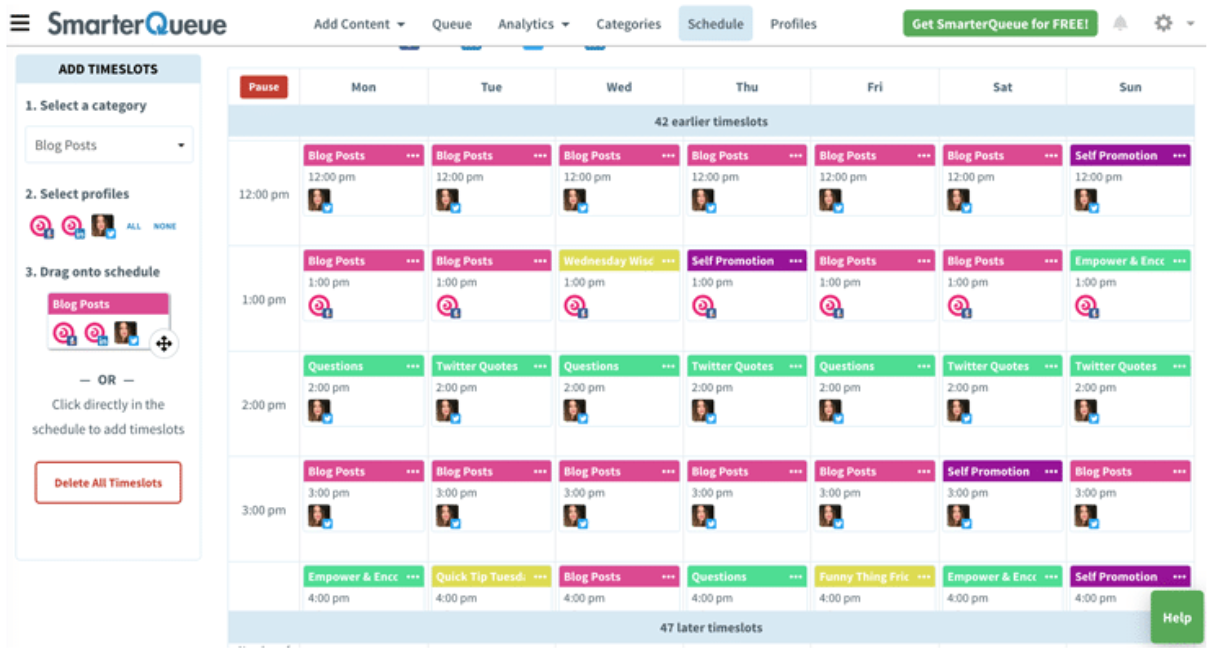
Scheduling posts can help you to stay consistent. It also helps to outline exactly what you’ve got going out and gives you a good overview of content that may still need designing or making. Planning and scheduling your social media activities in advance ensures you have a clear strategy and can measure the effectiveness of your efforts.
We know by now that consistency is key in social media messaging. Posting irregularly can lead to lower engagement and reduced brand visibility. To maintain a solid online presence, you should develop a content calendar that says what and when to post.
A well-planned content schedule also means that social media messaging aligns with marketing campaigns and seasonal trends. Plus, it helps maintain that balance between promotional and value-driven content.
There are plenty of scheduling tools you can use to make your life easier. Buffer, Facebook automation, Hootsuite, and Sprout Social can help automate posts, ensuring that content is published at optimal times and helping you optimize performance by tracking and analyzing results.
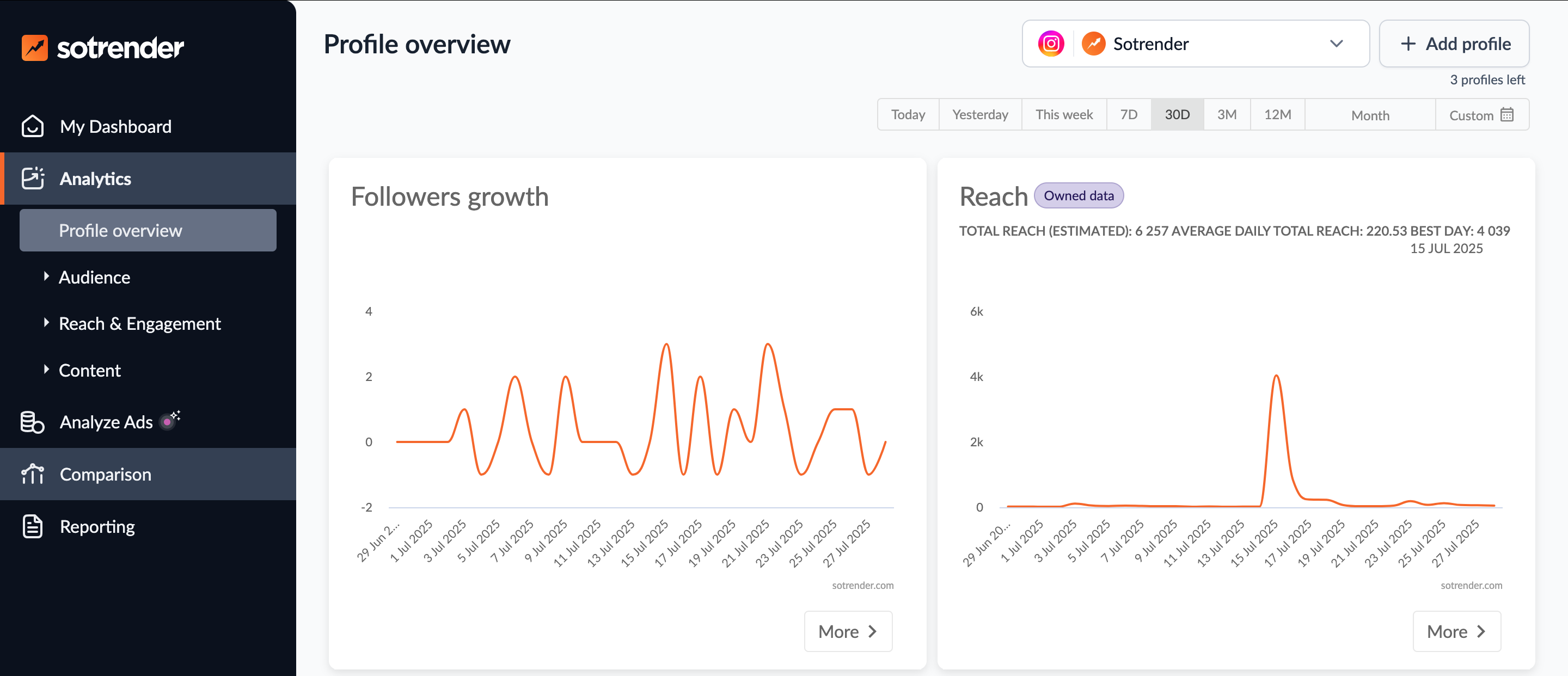
However, automation should be used in conjunction with real-time engagement to keep authentic interactions with followers. Sotrender can also make sure you’re up to date with the latest goings on in social media analytics, ensuring your content always stays relevant.
Make sure your posts are always fresh and new and avoid repeating the same messaging. For example, if you post three times a week, you might dedicate one post to product promotion, one to industry insights, and one to audience interaction through polls or Q&A sessions. Following the best social media strategies for content planning, such as the 80-20 rule, can help you maintain engagement and achieve optimal results.
Actively interact with your audience to foster a sense of community
Social media isn’t just a platform for broadcasting messages into the abyss. It’s a space for conversation and building community. Engaging with social followers via comments, direct messages, and interactive content creates stronger relationships and encourages social media brand loyalty. By fostering engagement, you can grow your follower base and build a vibrant community around your brand.
You should make an effort to respond to comments and messages promptly, ask engaging questions to initiate a conversation, and — perhaps most importantly — participate in trending discussions. This approach helps convert followers into loyal customers who support and advocate for your brand.
You can even use generative AI for sales to mimic the style of content creators and reply to comments on your videos in the way they would. Sharing user-generated content is a really effective way to increase engagement and build a sense of community. Collaborating with influencers through influencer marketing can also expand your reach and boost engagement with new audiences.
Brands that actively engage with their audience, like Netflix and Glossier, build strong communities by responding to fans in a personable and authentic manner.
Analyze key metrics to assess the effectiveness of your messaging
Measuring performance is key to understanding what resonates with the audience and what needs some improvement. Key metrics, such as engagement rate, reach, impressions, and click-through rate, provide handy and valuable insights into the effectiveness of your content and overall social media strategy.
Regularly review analytics from your social media platforms to identify trends and assess the impact of different messaging strategies. This includes evaluating the effectiveness of your social messaging in maintaining brand consistency and audience engagement. It can also be useful to compare performance across various posts and campaigns, including targeted ads, to help refine your future messaging approaches. Analyzing the performance of targeted ads is essential for understanding how well you are reaching specific audiences and driving measurable business results.
Some of the key metrics to monitor are:
- Engagement Rate: Measures likes, comments, shares, and interactions
- Reach and Impressions: Tracks how many people see your content
- Click-Through Rate (CTR): Determines how many users click on your links
- Conversion Rate: Measures how many followers take the desired action, such as making a purchase or signing up for a newsletter
- Net Audience Growth: Measures both the number of followers gained and the number of followers lost over a specific period of time
Regularly review performance data to refine your messaging
Social media trends and audience preferences evolve over time, making it important to continuously review your messaging strategy. Tracking success over time by measuring progress against specific metrics and KPIs helps ensure your efforts are effective and aligned with your goals. Regularly looking at and analyzing performance and ESG reporting data allows businesses to adjust their approach based on audience feedback and engagement patterns.
You can test different content formats, adjust posting frequency, and experiment with new messaging techniques in a bid to try and draw in more followers and boost engagement. It’s all about experimenting.
Reviewing past performance and auditing your social presence ensures that your approach remains relevant and effective. You should:
- Identify which content types generate the most engagement and focus on producing more of that
- Experiment with different messaging styles, headlines, and post formats to see what resonates best
- Adjust posting frequency and timing based on audience behavior and engagement patterns
For example, if data shows that video content performs significantly better than static images, businesses should prioritize video-based messaging to maximize engagement. Staying relevant also means adapting to new trends and audience preferences as they emerge.
Conclusion
Building a solid social media messaging strategy requires careful planning and attention. The whole team needs to be on board to help develop and execute a strong social media presence across multiple platforms. A comprehensive social marketing approach is essential to ensure your efforts are aligned and consistently support your business objectives.
By setting clear goals and creating your brand guidelines, you can create a social media presence that’s the envy of your competitors — one that encourages community and drives growth to the business.
A successful strategy isn’t static but evolves and adapts with trends and insights. Regular analysis and refinement, along with an effective messaging strategy, will ensure that messaging stays relevant and continues to drive engagement to your pages for ongoing success.