
If you’ve felt your social performance zig when you expected it to zag, you’re not imagining it. Algorithm changes are the heartbeat of social media. They shape what we see and what gets traction. And how communities grow.
Over the past few years, platforms have moved from simple popularity contests to complex systems. That weighs originality and viewer satisfaction. Even how people interact in DMs. That evolution hit a new gear in 2026.
This piece covers algorithm changes in social media platforms this year. Whether you’re a business owner/marketer or a content creator/influencer, read on to understand its impact and what to do about it.
Social Media Algorithm Changes 2026: A Snapshot of Algorithms in 2025
Heading into 2026, algorithms had already shifted in a few clear ways:
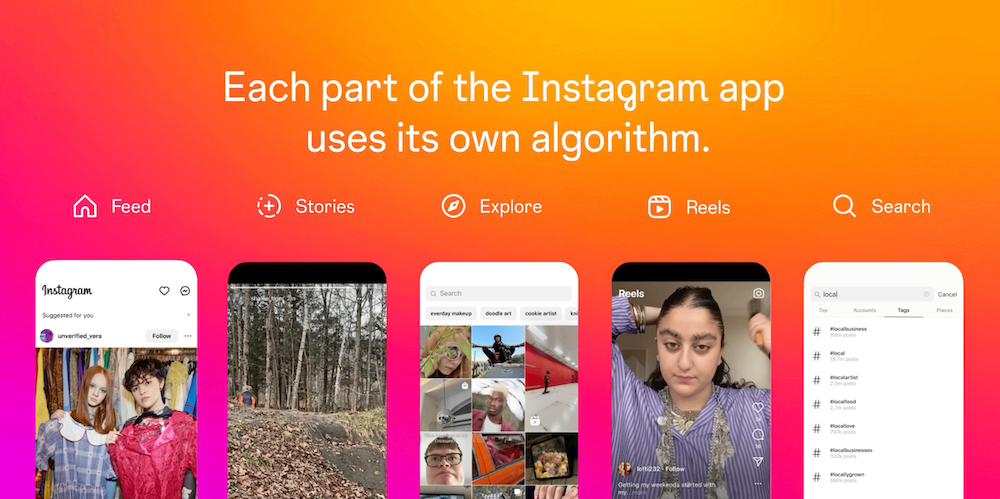
- Originals beat reposts. Instagram publicly moved to elevate original posts and reduce aggregator reach. It’s an update the company detailed in 2024, which many marketers noticed in their analytics soon after. Review the specifics in Instagram’s announcement on ranking for original content.
- Watch time beat quick likes. Time well spent mattered more than quick taps. YouTube has long said that watch time and viewer satisfaction guide recommendations. Not just clicks or likes. Their help docs make that philosophy clear.
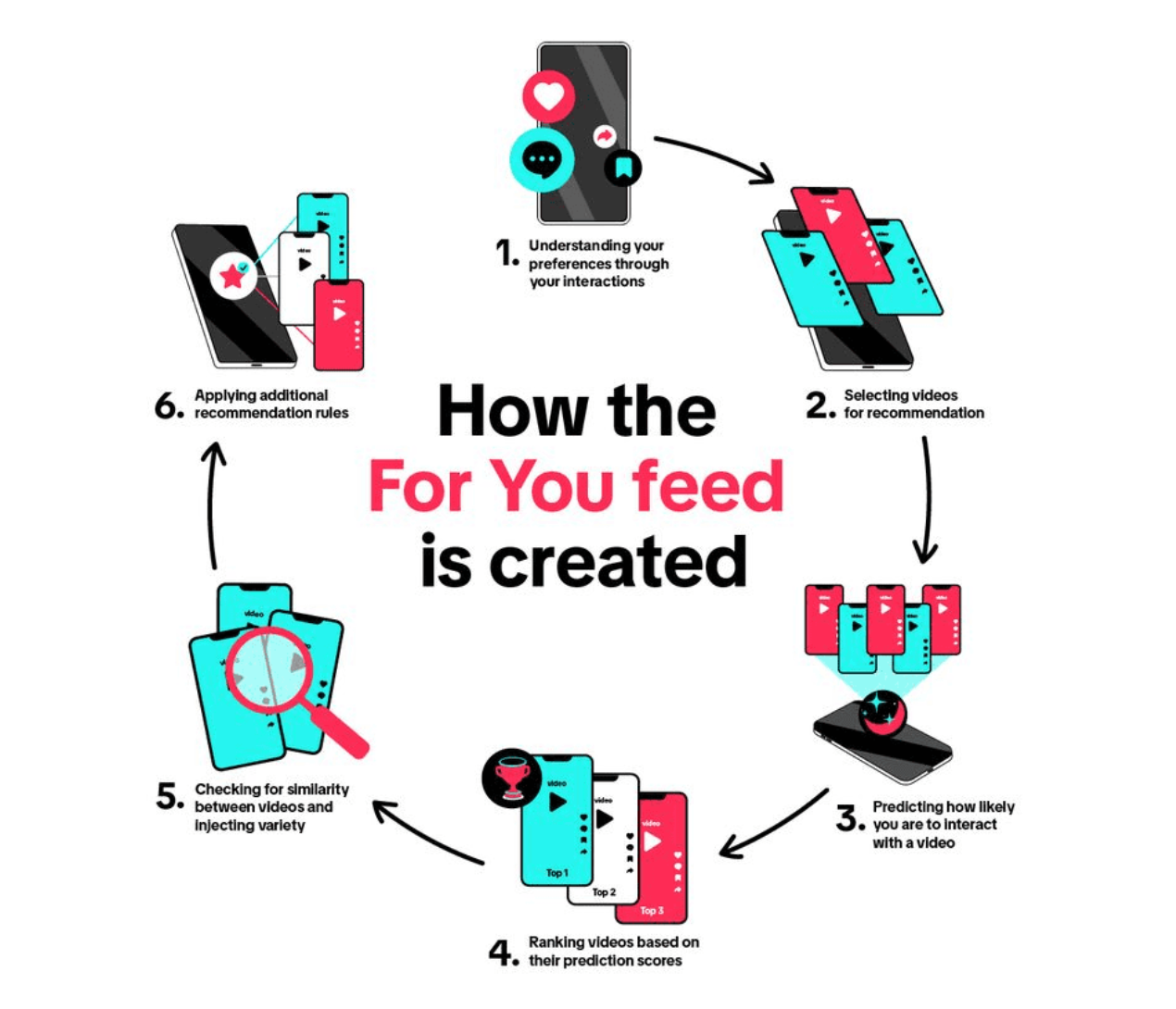
- TikTok showed more of the “why.” Its “For You” stayed king, but with more transparency about factors like watch time and interactions. Check how its recommendation system works.
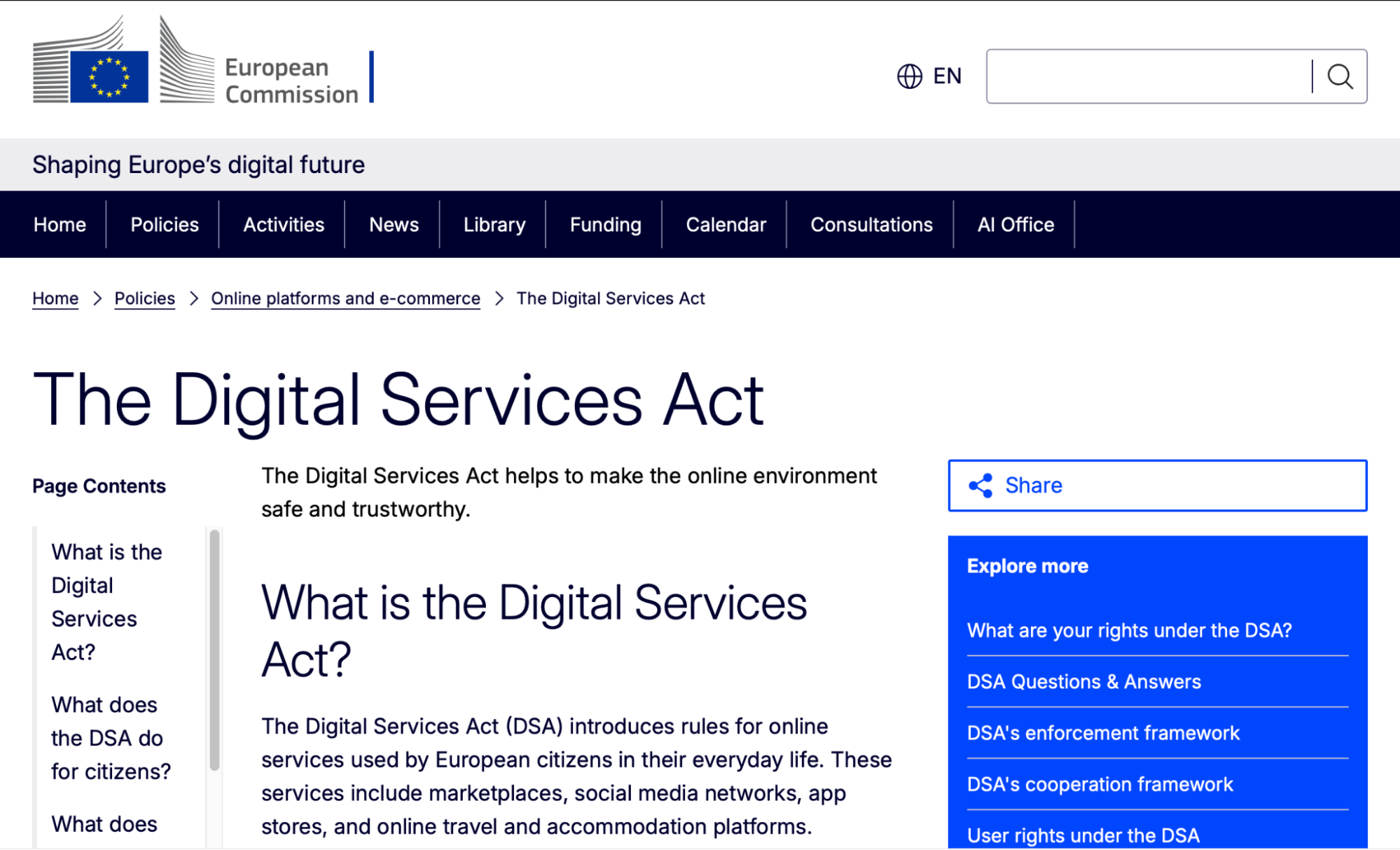
- Regulators stepped in. Regulation pressed platforms to offer more algorithmic choice and transparency. Especially in the EU under the Digital Services Act.
- Communities mattered more. Some platforms emerged as the originators of trends rather than copycats. Others emphasized community and topic signals. X (formerly Twitter) even open-sourced parts of its recommendation code in 2023.
By late 2025, one theme was unmistakable: engagement for engagement’s sake wasn’t enough. That set the stage for 2026.
Major Algorithm Changes in Social Media Channels for 2026
Across platforms, we’re seeing a deeper pivot toward authenticity and intent.
Platforms are shifting from pure engagement metrics to social signals, such as authenticity. In practice, this is how social media algorithms work in 2026: they rank content using core signals like predicted engagement, user connections, and content quality. They’re prioritizing original content, user satisfaction, and meaningful interactions over simple totals, while still focusing on time spent on content rather than quick reactions.
Smart brands are already adjusting by creating more meaningful content experiences. The changes look like this:
1. Meta (Facebook and Instagram)
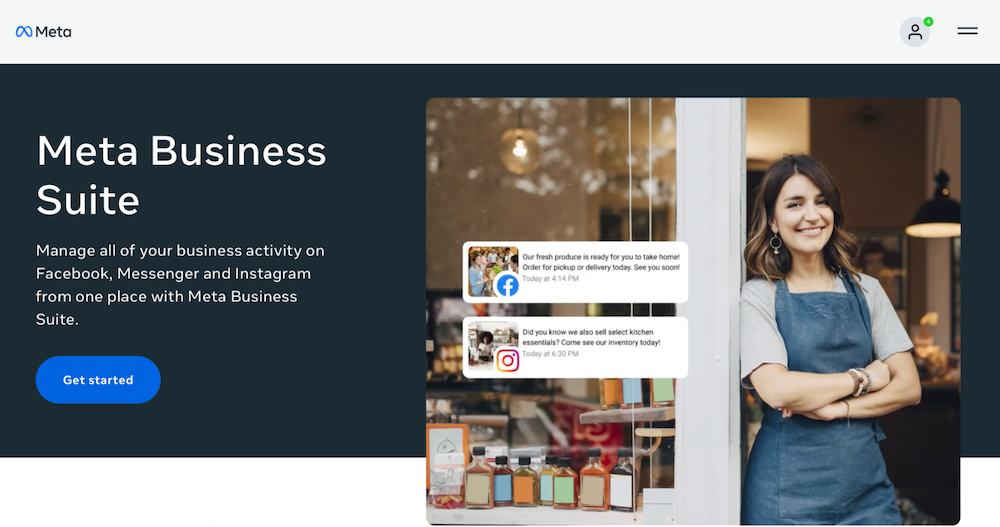
Meta built on Instagram’s 2024 update, and both the Facebook algorithm and Instagram algorithm now further favor original posts. Now, first uploaders and thoughtful comments get more weight. Saves, DMs shares, and time in stories or carousels matter more than quick likes, showing how the Facebook algorithm works and how Meta’s approach algorithm increasingly prioritizes content that drives deeper engagement quality over simple reactions. Meta keeps nudging feeds toward meaningful interaction, following its ‘friends and family’ approach, with Instagram Stories and the Explore Page using separate ranking systems to surface content based on user behavior and preferences. This is a natural extension of a push toward meaningful discussion.
Groups and close-connection sharing now get more visibility than public page posts, and authentic storytelling tends to outperform polished hard-sell creative.
2. TikTok
TikTok’s watch time and rewatch behavior remain central, but search intent is rising, especially on the For You Page, or You Page, where recommendations surface content based on interest signals. Follower count has little impact on individual video reach, and with algorithm changes, organic reach depends more on relevance, completion, and rewatch behavior than audience size. Videos that answer questions, use on-screen context, and earn saves spread further, and TikTok is increasingly rewarding 1–3 minute storytelling when it keeps users watching, so strong hooks matter because people scroll past weak openings. TikTok’s own recommendation system still aligns with this:
3. YouTube
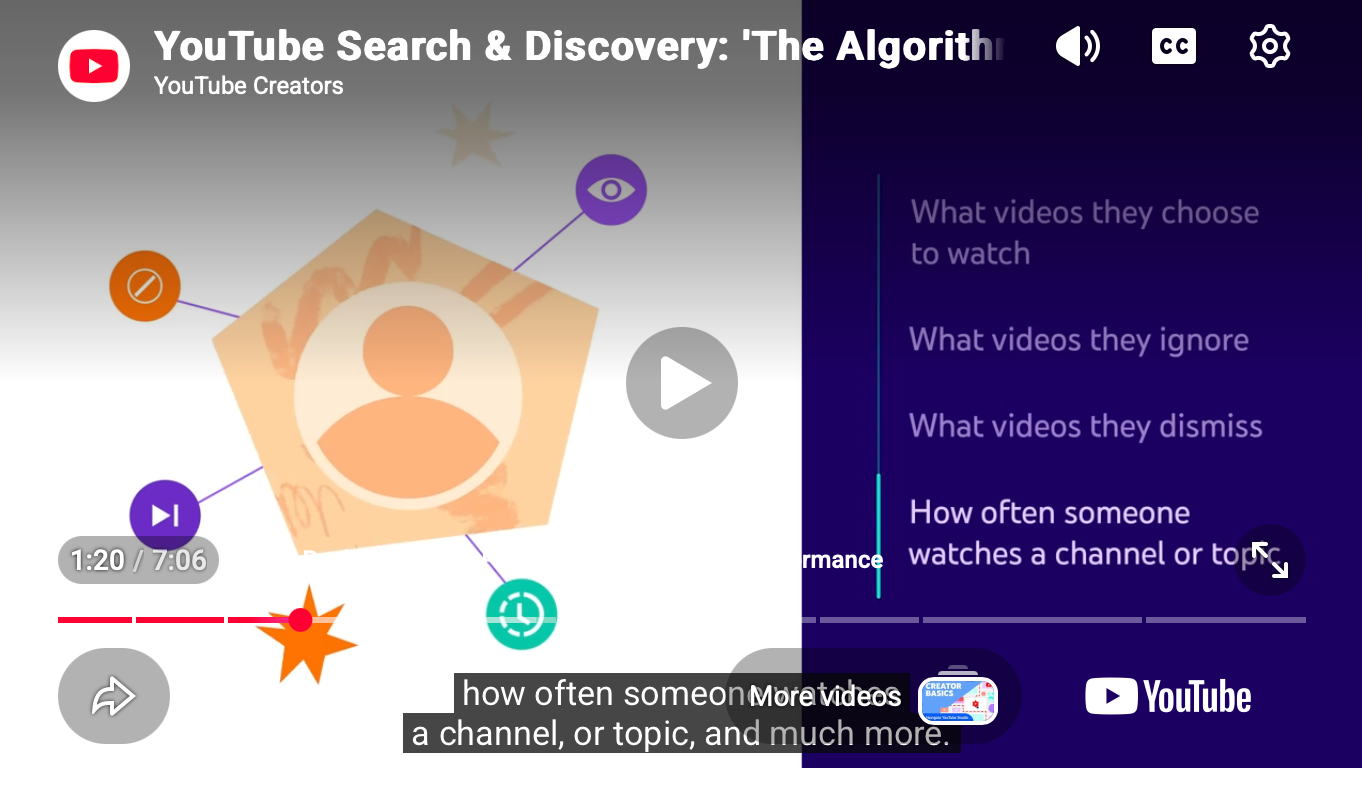
YouTube still prioritizes viewer satisfaction, and in 2026 its recommendations reward video content that connects short form video like Shorts with long-form uploads through strong session-level engagement signals such as watch time, repeat views, and audience retention. Creators also keep viewers engaged by linking multiple videos into a sequence, not just optimizing a single upload. Platform guidance on recommendations and satisfaction remains unchanged.
4. X (formerly Twitter)
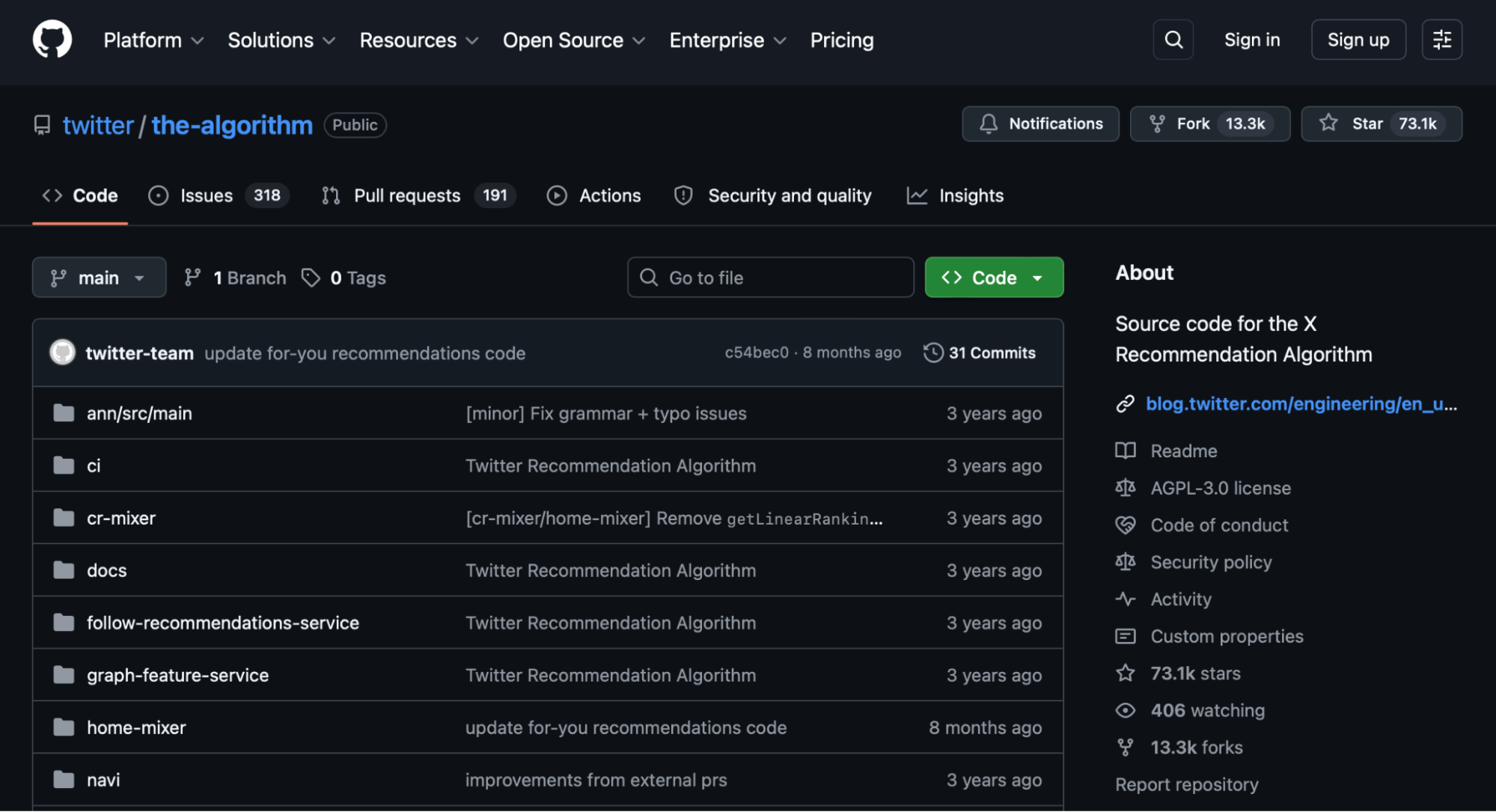
On X, the X algorithm now gives more weight to credibility and contribution signals than simple virality. Thoughtful replies and Community Notes matter for X marketing, and meaningful interactions plus native media tend to outperform posts with external links. In the main feed and discovery surfaces, posts that spark credible conversation are increasingly rewarded. For platform context, see the open-sourced recommendation code.
5. LinkedIn
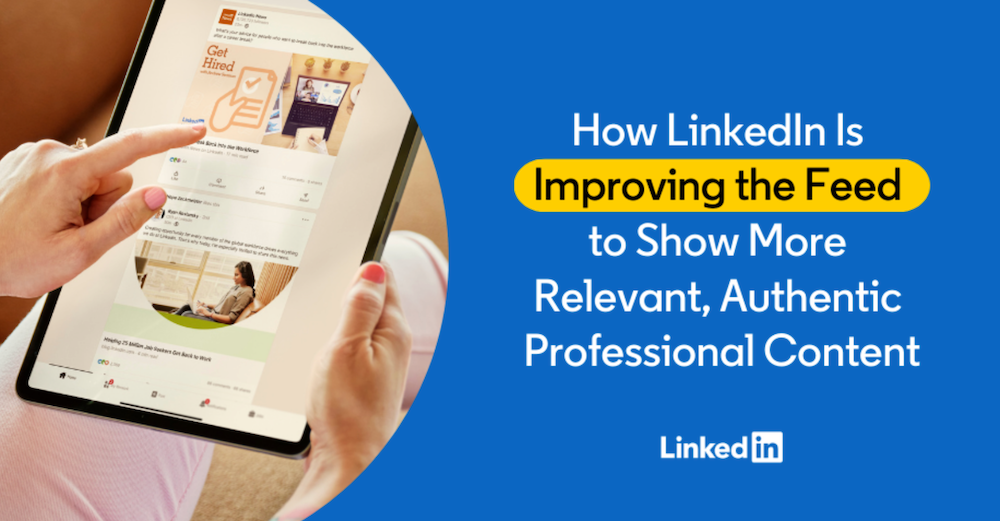
LinkedIn marketing now favors knowledge sharing, so a strong content strategy starts with each LinkedIn post teaching a specific professional audience. Educational posts and in-depth carousels outperform broad promotions because deep engagement and content relevance matter more than reach alone. A clear target audience and consistent content quality also improve visibility on LinkedIn. Their help center outlines how posts appear in your feed.
Why the changes now? Three forces are pushing in the same direction:
- Users want quality over quantity. People are curating feeds more intentionally and spending time where they feel understood.
- Regulators want transparency and user control. The EU’s Digital Services Act, for example, pushed platforms toward more clarity and choice in how recommendations work.
- Platforms want sustainable satisfaction. It’s hard to gauge the time spent and the genuine conversation. Much easier to game clicks.
The Impact of Social Media Algorithm Changes
For businesses and marketers
This year rewards: Depth. Clarity. Platform-native storytelling.
Gregor Emmian, Deputy Chief Digital Growth Officer at Rise, works closely with brands navigating digital visibility shifts across platforms.
He believes the brands adapting fastest are the ones treating algorithms less like puzzles to beat and more like signals of what audiences genuinely value. On every major platform, artificial intelligence and machine learning now analyze user behavior to semantically match content with the right people, not just parse hashtags.
Emmian says,
The strongest brands right now build content around audience intent…not vanity metrics. What works on Instagram won’t necessarily work on LinkedIn or TikTok. Brands seeing consistent growth are creating platform-native content that encourages real interaction and longer engagement.
These feeds increasingly rely on prediction systems that surface posts based on likely future interests.
What to do:
- Map one clear audience problem to each post. To adapt without whiplash. If your post solves an obvious problem, you’ll keep people’s attention longer. Favor formats that invite time and conversation: carousels, explainers, behind-the-scenes, how-tos, and duets or remixes. Tight niche content and niche consistency also help the algorithm classify your account more clearly, which supports organic growth.
- Optimize for social search. How? By treating the feed more like a search engine: use relevant keywords in conversational captions and on-screen text, not just metadata. Likewise, track weekly metrics such as retention, average watch time, saves, meaningful comments, and shares in DMs.
- Test new formats monthly. And do a strategic review quarterly. Build your strategy around evergreen principles: authentic storytelling, consistent value delivery, genuine community engagement. Track performance metrics weekly, and test new formats monthly. As social media platforms and e-commerce platforms become more connected, brands should create content and native journeys inside social platforms to keep discovery, consideration, and conversion in one place.
For content creators and influencers
For creators, the biggest shift is treating platforms as places to discover you. Not to own you. So, this requires detecting content formats for long-term engagement, while more audiences move into private communities as public feeds get more crowded.
Learn from Ryan Beattie, Director of Business Development at UK SARMs. He says creators seeing steady growth are the ones building direct audience relationships beyond the algorithm, and that in the creator economy, authentic storytelling formats like behind-the-scenes clips, customer testimonials, and educational posts tend to travel better than hard-sell content.
Beattie explains,
Creators who rely entirely on one platform are more vulnerable to algorithm shifts. The smartest creators are building communities they can reach directly through email, private groups, subscriber platforms, and other online channels.
He concludes,
Social media works best as a discovery engine, while long-term loyalty comes from the audience relationships you actually own.
What’s working for creators:
- Own your channel mix. Build an email list, Discord, Slack, or SMS community so you’re not fully exposed to feed swings. However, manage multiple social media accounts as efficiently as possible.
- Develop a series. Not just posts. To post consistently with consistent content helps the algorithm classify your niche more clearly, but only if quality stays high. When viewers know what to expect next, they watch longer and return more often.
- Bundle formats. How? Tease with Shorts or Reels, go deep on long-form, recap with carousels, and invite discussion in stories or community posts, with live streaming increasingly useful because real-time interaction boosts visibility and engaging content earns more genuine responses.
- Lean into collaborations. Cross-audience trust signals help algorithms connect your content to the right pockets of people.
- Measure community health. Brands are asking for proof that your audience actually listens. Likes, saves, comments with substance, and session watch time are persuasive.
For social media users
What about the rest of us scrolling at the bus stop? Users are noticing feeds that feel a bit more personal and a bit less shouty. Users also increasingly expect native experiences inside social media platforms, including shopping and information without leaving the app.
Take it from Eric Yohay, CEO and Founder of Outbound Consulting. He notes that users are becoming more proactive about shaping their online experience. He also notices that platforms are responding accordingly, and that preference for seamless native use is one reason other platforms are emphasizing more personalized discovery and closed-community behavior.
Yohay shares,
People are getting better at training their feeds. They’re following niche interests more intentionally. They’re muting content they don’t care about. And they’re spending more time in smaller communities that actually match their interests.
He adds, “Platforms are paying closer attention to those deliberate behaviors instead of relying only on passive engagement.”
You can see that in the growing emphasis on preference controls. Reddit’s algorithm is distinct from other platforms because it also reflects community moderation and subreddit-specific rules alongside signals like upvotes and recency, which makes understanding each community’s culture especially important.
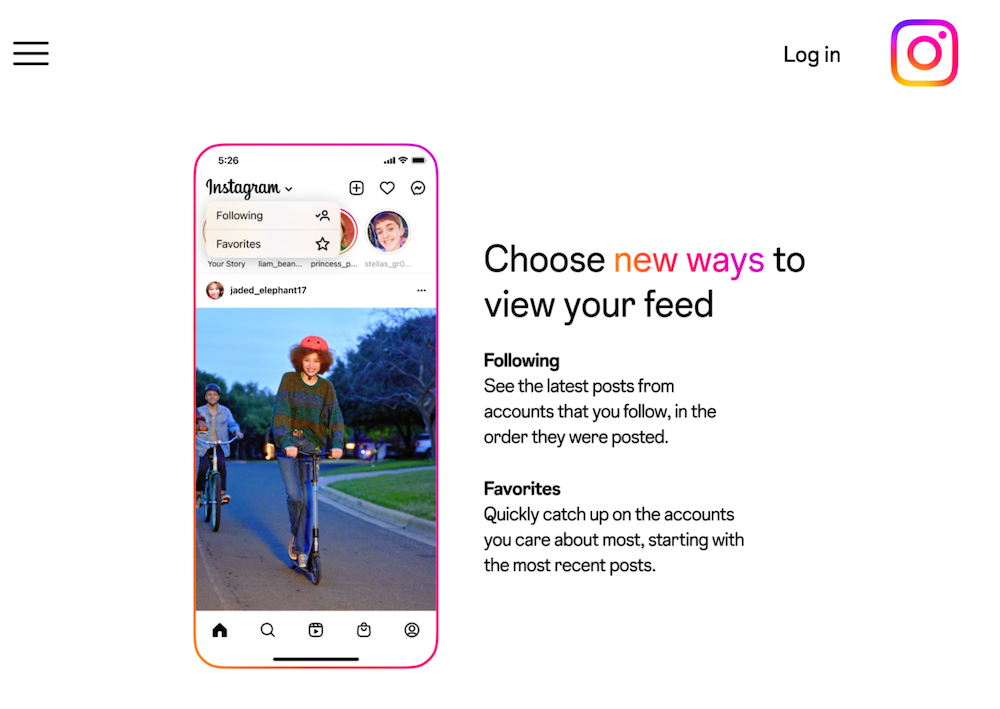
- Instagram: This channel lets you adjust feed preferences and Favorites.
- YouTube: This platform gives you tools to tune recommendations and “don’t recommend” certain channels.
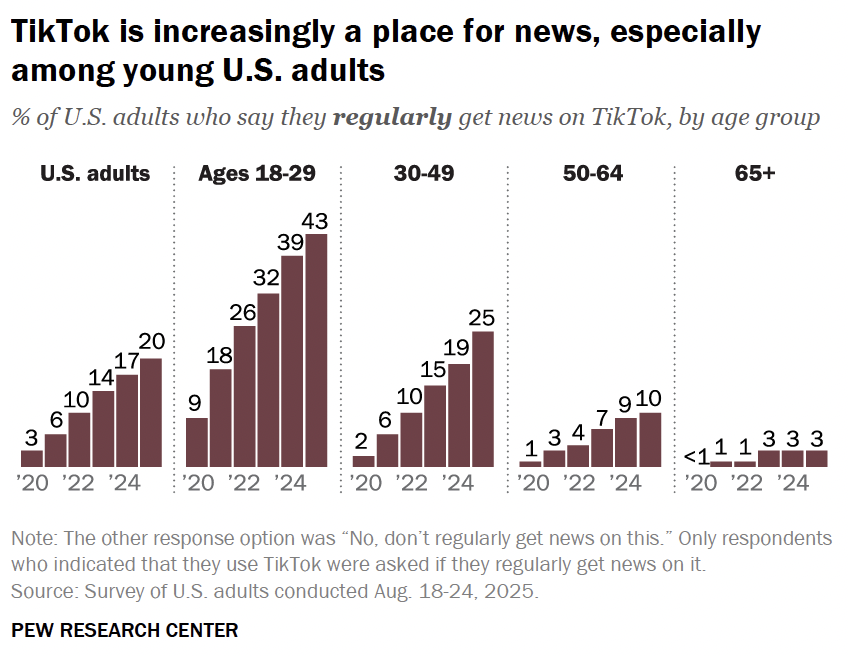
- TikTok: Pew Research also found that 1 in 5 American adults gets news on TikTok. This hints at rising intent-based use, not just entertainment.
Future-Proofing Against Algorithm Changes
If you want to stay steady while the ground shifts, build habits that don’t depend on a single metric or trend.
- Anchor to evergreen principles: clarity, originality, consistency, community. Diversify content format and platform, but future-proof by choosing niche-specific themes over broad posting because different algorithms reward clearer authority signals. Niche content performs better because it attracts a targeted audience, and algorithms increasingly favor that specificity over general content. Don’t bet everything on one feed or one video style. Focus less on vanity metrics like likes and follows, and more on shares, saves, rewatch rates, meaningful engagement, thoughtful comments, and DMs.
- Create owned touchpoints: a newsletter, SMS, or community where you control reach. Niche ecosystems and direct community spaces also create more visibility and stronger resilience than relying on one public feed alone. Make testing routine with weekly micro-optimizations and monthly format experiments. Even quarterly strategy resets.
For instance, TRT online brands that rely heavily on educational or health-focused content can future-proof their reach by building niche authority and turning short-form social posts into a broader content ecosystem.
A quick TikTok explainer can lead viewers to a newsletter or a long-form YouTube breakdown. Even a private community where conversations continue beyond the algorithm, helping brands connect more deeply with specific audience segments.
That way, even if reach fluctuates on one platform, audience relationships and engagement stay strong.
Some resources to bookmark:
| Categories | Social Media Resources |
|---|---|
| Platform newsrooms and creator channels | |
| Technical and policy updates |
|
| Industry coverage | |
| Trend discovery | |
| Measurement stack |
|
Wrapping Up
Algorithms are changing again in 2026. However, the direction is familiar: more weight on originality, depth, genuine interaction. That’s not bad news. It’s a reminder to make things people want to spend time with. And to build communities that outlast any one tweak.
Keep your ear to the ground, your testing muscle strong, and your focus on value. Learn, adjust, repeat. Remember, the brands and creators who do that don’t just survive algorithm changes. Ultimately, they use them as a filter that clears out the noise.
To keep up with algorithm changes, consider leveraging Sotrender’s social media analytics. This platform can help you with data analysis, business reporting, competitor benchmarking, and campaign optimization. To get started, sign up for a seven-day free trial!