


The biggest pain point marketers face in LinkedIn lead generation is cutting through the noise to reach the right leads. LinkedIn offers powerful targeting possibilities and direct access to decision-makers that can be a solution.
The solution lies in strategically utilizing LinkedIn’s features. From narrowly targeted ad campaigns to data-driven prospecting tools, LinkedIn empowers marketers to get their message to the right audience at the right time.
With an effective LinkedIn strategy, you can establish thought leadership, which is especially valuable for B2B lead generation, build credibility, and ultimately drive more sales-qualified leads into your pipeline.
Numerous LinkedIn lead generation strategies can help you connect with the best leads for your business, and we will share with you our favorites—including the importance of sharing relevant content to engage your target audience.
Introduction to Lead Generation
Lead generation is the backbone of any successful marketing strategy, serving as the bridge between attracting attention and converting that interest into real business opportunities. At its core, lead generation is about identifying and engaging potential customers—those who have shown an interest in your product or service and are most likely to become buyers. In today’s digital-first world, lead generation can take many forms, from content marketing and social media outreach to targeted email campaigns and paid advertising.
For B2B businesses, LinkedIn stands out as a premier platform for lead generation. With its vast network of professionals and direct access to decision makers, LinkedIn enables companies to connect with the right people at the right time. By sharing valuable content and building relationships with potential customers, businesses can nurture leads throughout the buying journey and drive sustainable growth.
- 7 days for free
- No credit card required
- Access to all premium features
Creating a Lead Generation Strategy
A robust lead generation strategy is essential for turning prospects into qualified leads and, ultimately, loyal customers. The first step is to clearly define your target audience—understanding their job titles, industries, company sizes, and specific pain points. Once you know who you’re trying to reach, you can craft valuable content that speaks directly to their needs and interests.
On LinkedIn, effective lead generation strategies often combine several tactics. This might include publishing insightful posts, participating in relevant LinkedIn groups, and running highly targeted LinkedIn ads to reach decision makers in your ideal market. By aligning your approach with the buyer’s journey, you can deliver the right message at the right time, increasing the likelihood of engagement and conversion.
Remember, the most successful lead generation strategies are those that are well-planned, data-driven, and flexible enough to adapt to changing market conditions. By consistently providing value and leveraging LinkedIn’s unique features, you can attract more potential customers and build a steady pipeline of high-quality leads.
LinkedIn Lead Generation Strategies
Numerous LinkedIn lead generation strategies can help you connect with the best leads for your business, and we will share with you our favorites.
Combine Sales Navigator and Campaign Tools
LinkedIn Sales Navigator is a prospecting powerhouse that enables you to be precise when identifying and connecting with your leads. With advanced search filters and data-rich profiles, you can target prospects that fit your key demographics, such as:
- Company size, industry, and geography
- Roles, seniority levels, job titles, and job functions
- Skills and interests
From there, you can strategically focus outreach campaigns specifically tailored to each audience segment. You can save lead lists, set alerts, and automate actions to streamline list building. You can also use smart links to track engagement with shared sales content. Moreover, with LinkedIn scraper you can easily scrape and save the data for more in-depth analytics. Leveraging LinkedIn lead generation tools and automation tools further streamlines prospecting and outreach.
On the other side, we have the LinkedIn Campaign Manager. This tool empowers you to launch targeted advertising and sponsored content across LinkedIn. When you integrate Sales Navigator data directly into Campaign Manager, you unlock tremendously accurate audience data.
Those same filtered lists and account insights from Sales Navigator get synced to power precise awareness campaigns. You can deploy:
- Sponsored content and messaging to your custom audiences
- Retargeting to nurture existing warm leads
- Dynamic ad creative personalized to specific roles and interests
- Seamless coordination between sales and marketing efforts, with each team member playing a role in the process
Sales Navigator’s TeamLink feature also helps the sales team identify warm introductions, enhancing outreach efficiency.
This is an ideal connection because it improves the ability to locate the best leads for your business, and then simultaneously market to them via multiple impact channels.
Focus on Key LinkedIn Accounts
One often overlooked facet of lead generation is targeting the right leads. Many marketers focus on quantity over quality, and that is one of the reasons why numerous LinkedIn lead generation campaigns fall short. As part of an effective account-based marketing strategy, it’s crucial to identify your target companies before moving forward.
Let’s say that you are offering social media marketing services to companies in the travel and hospitality niche:
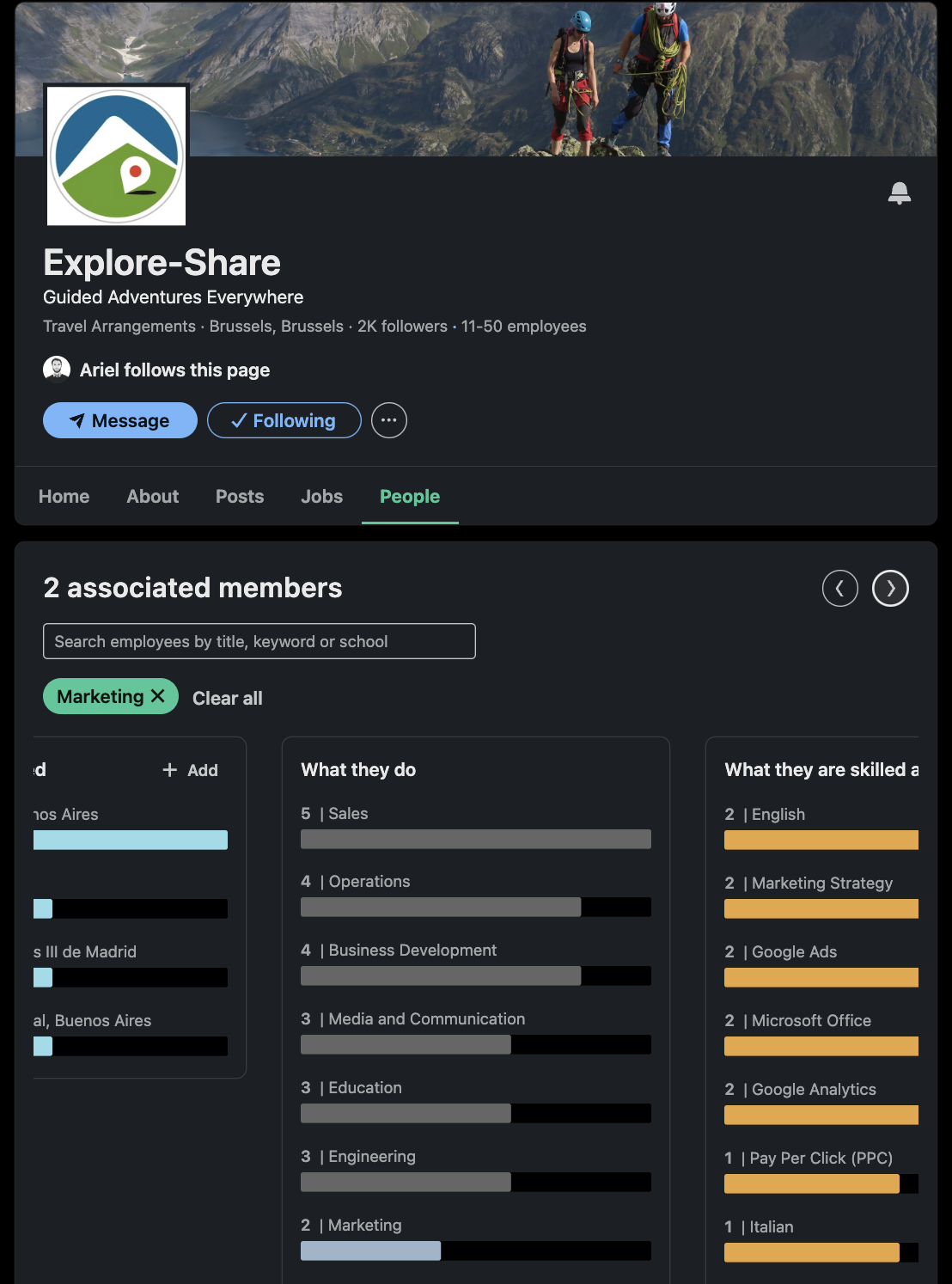
Finding a company is just one part of the process. As you are offering marketing services, you are looking for decision makers in the Marketing department.
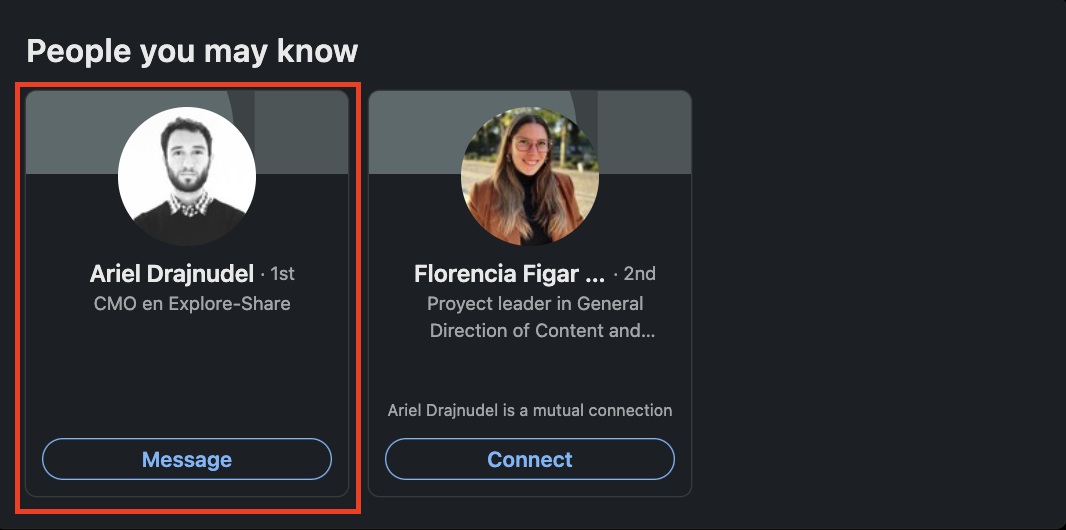
In this case, we’ve found the perfect person to pitch our services to–the CMO.
Remember, focus on departments and key decision makers that logically make sense. For example, don’t pitch your marketing services to the CTOs or sales managers, as that will be a missed opportunity.
Once you curate a list of key decision makers for other companies and take your time to research their pain points, you will have actionable data with which you can present yourself as the go-to problem-solver for potential clients. After researching decision makers, your initial outreach should begin with a personalized connection request to increase your chances of starting a conversation.
Enhance Your Company’s LinkedIn Page
Many company pages on LinkedIn are there just to… be there. You want to maximize this gap and turn your LinkedIn company page into a proper lead generation magnet.
Start with the basics. Set an engaging first impression by having captivating visual branding with a scroll-stopping cover image or a video that showcases your solutions in action. Make sure to use a professional photo for your company page and team profiles to establish trust and credibility.
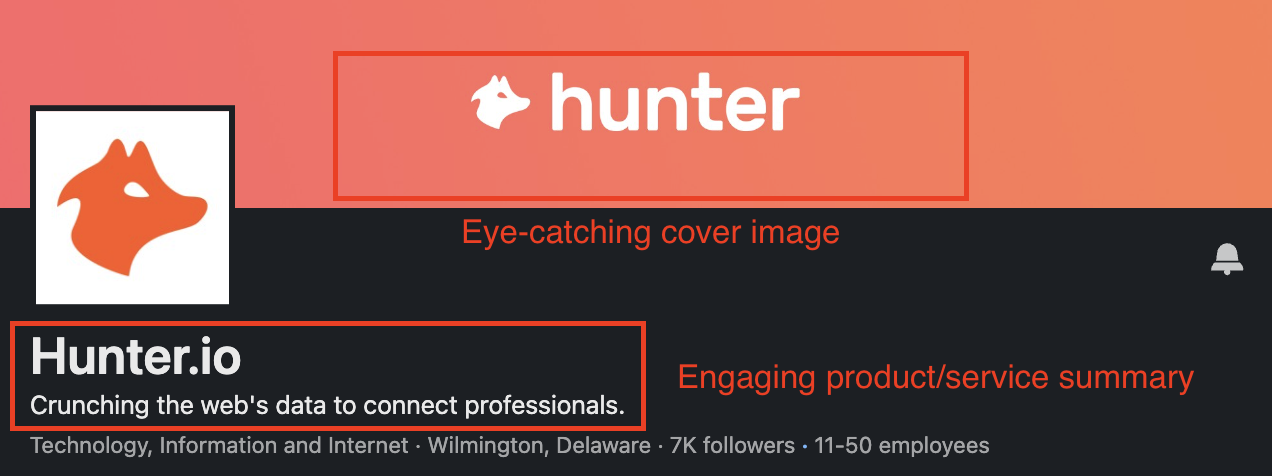
Once you hook potential leads, you want to show them your unique value proposition. That’s where your “About” section comes in, where you want to craft a compelling pitch that showcases what challenges you solve, and in what way solve them better than the competitors. Be sure to include relevant keywords in your About section to improve search visibility and attract leads.
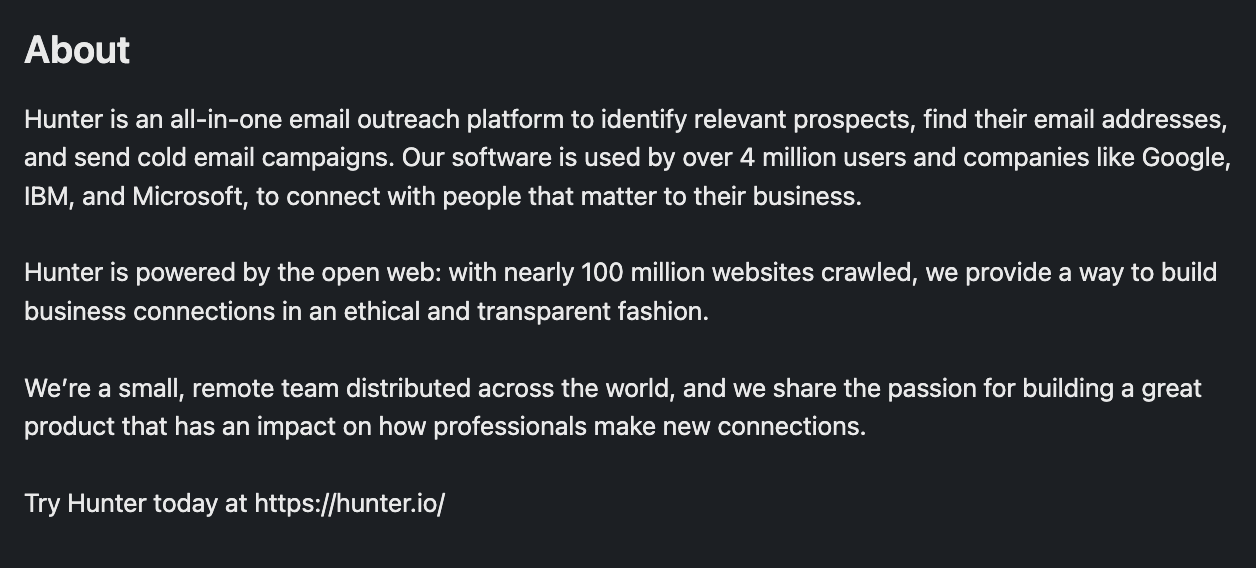
When you set up and optimize your LinkedIn company page, you want to delve into the analytics to track the quality and quantity of potential leads coming to your page. That’s why it is important to find a reliable LinkedIn reporting tool to get all the insights in an easy-to-digest format.
The key to differentiating from the competition and going above the simple hook tactics is to steadily publish engaging and valuable content.
Share Insightful Content
Consistently sharing LinkedIn content every week can net you 5 times more followers as compared to runners who post once a month. More followers means more potential organic leads and can help you generate more leads through increased visibility.
Well-researched and ungated content is the ultimate LinkedIn lead generation content. But we are not talking about pushy promotions or self-indulgent bragging–we mean real and valuable thought leadership content that helps your audience. Establishing yourself as a thought leader in your industry enhances your brand recognition and builds trust with your audience.
When you generously share unique data and processes, you establish credibility and position yourself as an expert and thought leader that potential leads are looking for. Thought leaders drive engagement and trust, making your content more impactful.
But not all content is created equal, so you need to ensure that it hits all the right notes. Here are the content types to leverage on LinkedIn to maximize your lead generation success:
- Original research studies, survey data, or market analytics to establish niche authority
- Tactical how-to guides, video tutorials, and templates that showcase your solution in action
- Video content, which increases engagement and reach, helping to generate more leads
- Insightful POVs or contrarian perspectives on industry trends to spark discussions, which come with lots of engagement
Ideally, you want to deliver legitimate advice to your followers through your content. After all, your end goal is to warm up all of these cold leads.
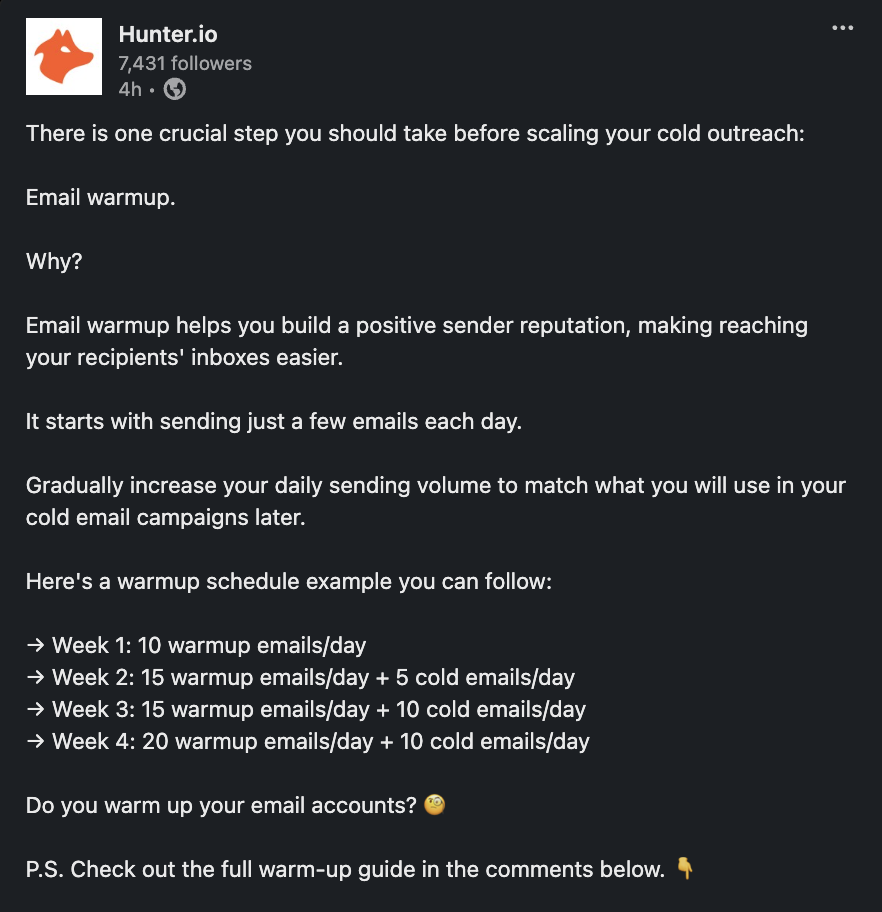
This is an example of well-made content for LinkedIn, as it gives actionable advice in a brief format, and also teases users to find out more by engaging with the content (clicking to the website).
Once your content is getting steadily published, it might be tough to keep track of its performance with the built-in LinkedIn tools, as they are pretty minimalistic.
Distributing your content through the LinkedIn feed is the main channel for reaching your audience and maximizing engagement.
You can bypass this problem by using a robust LinkedIn content analytics platform that lets you delve deep into content performance and lets you plan new content with lead generation in mind.
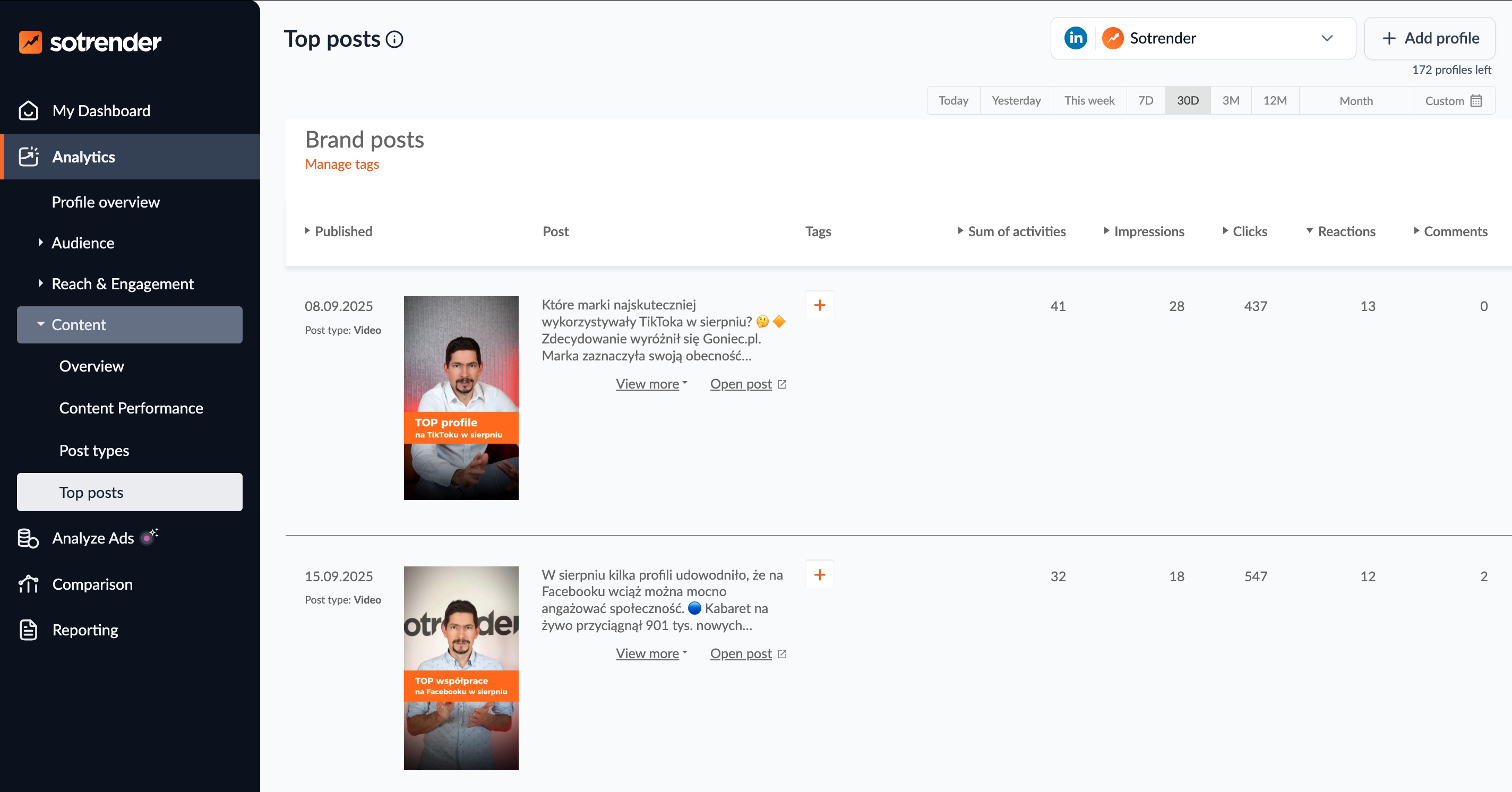
Improve Your Outreach Efforts
Let’s be honest–most cold outreach that ends up in the inboxes feels spammy and puts people off. When blasted with generic sales pitches or generic messages from strangers, most of us either ignore or delete these messages because they fail to engage prospects.
However, you can bypass those reactions by improving your outreach efforts, which will put you ahead of the majority of marketers looking for leads on LinkedIn.
The key is to craft messages that provide value and resonate with your target leads. Here are some tips to improve your LinkedIn outreach efforts:
- Do your research: Before reaching out, invest some time to understand the prospect’s background, interests, and pain points. This can help you personalize your approach.
- Lead with value: Nobody likes being sold to explicitly. Instead of jumping straight into a sales pitch, offer something valuable first. That might be a helpful article, insight, or some actionable advice related to their industry or role.
- Personalize your approach: Use the information you gathered about the prospects to tailor your messages to each individual. Mention something specific about their company, or congratulate a recent achievement.
- Be engaging and focus on the prospect: Rather than making it all about you, ask thought-provoking questions that encourage a response and discussion.
- Move beyond just sending connection requests: Focus on engaging with prospects through comments, interactions, and personalized follow-ups to stand out and connect with decision-makers effectively.
In essence, avoid bland copy-pasted templates that feel spammy even before a prospect opens your message. Instead, make your outreach feel like a warm, human conversation rather than a cold pitch. The goal is to build meaningful relationships, not just send messages.
Just to get a big picture, we will share two drastically different LinkedIn outreach messages:
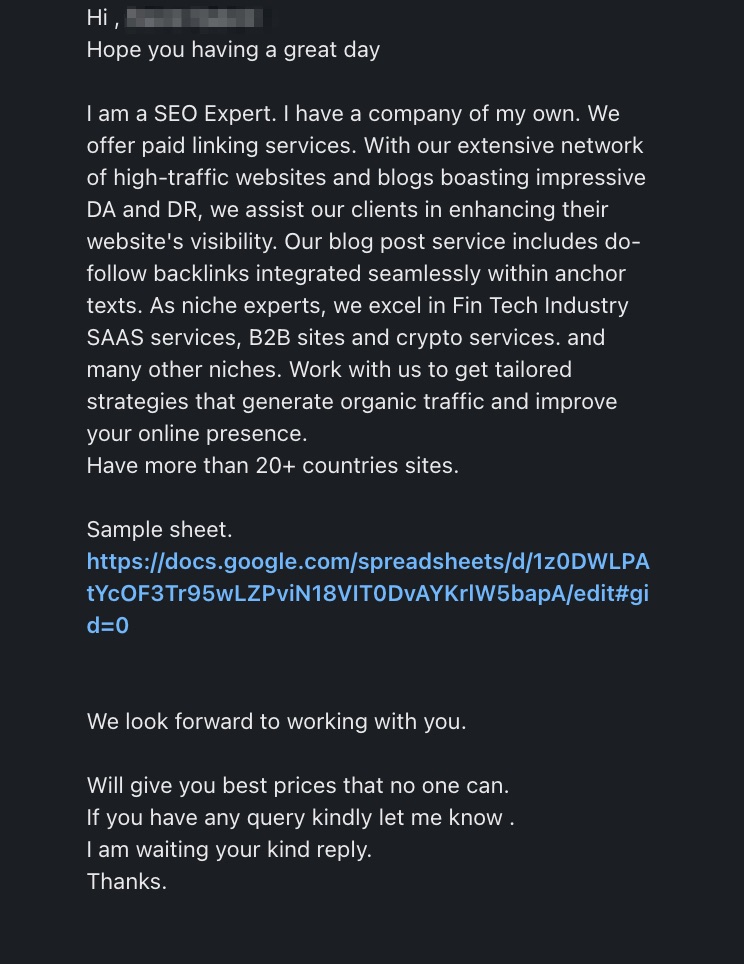
The reason this message ends up in the spam is simple: the sender focuses only on themselves, not on how they can help you specifically. Bonus points go to having an annoying mail with backlink spreadsheets and many grammatical errors.
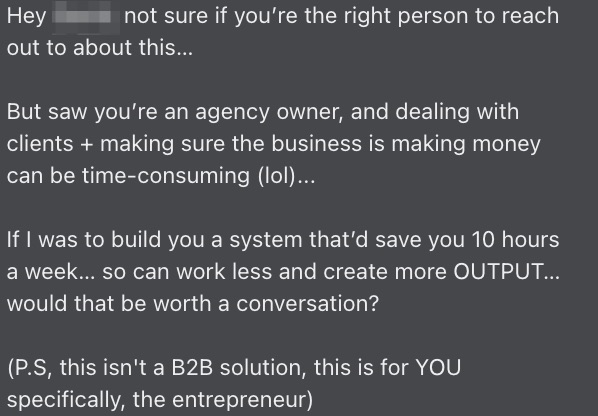
Now this is an example of a great outreach message. It is brief, it focuses on solving a problem for you, and arouses curiosity by not giving all the data, so if a prospect needs your solution–they will probably reply.
To summarize, effective LinkedIn outreach is about authentic communication and building meaningful relationships through genuine engagement, not automation or impersonal tactics.
Remember, relationship building is the foundation of successful LinkedIn outreach and lead generation.
Participate in Community Groups
While crafting the perfect message might be the first thing that pops into mind when doing LinkedIn lead generation, LinkedIn groups are a great way to generate leads without doing cold outreach.
What’s great about LinkedIn groups is that you can find industry-specific groups where your ideal ICPs gather and discuss industry-relevant topics.
Let’s say that you are looking for digital marketing groups with many potential leads:
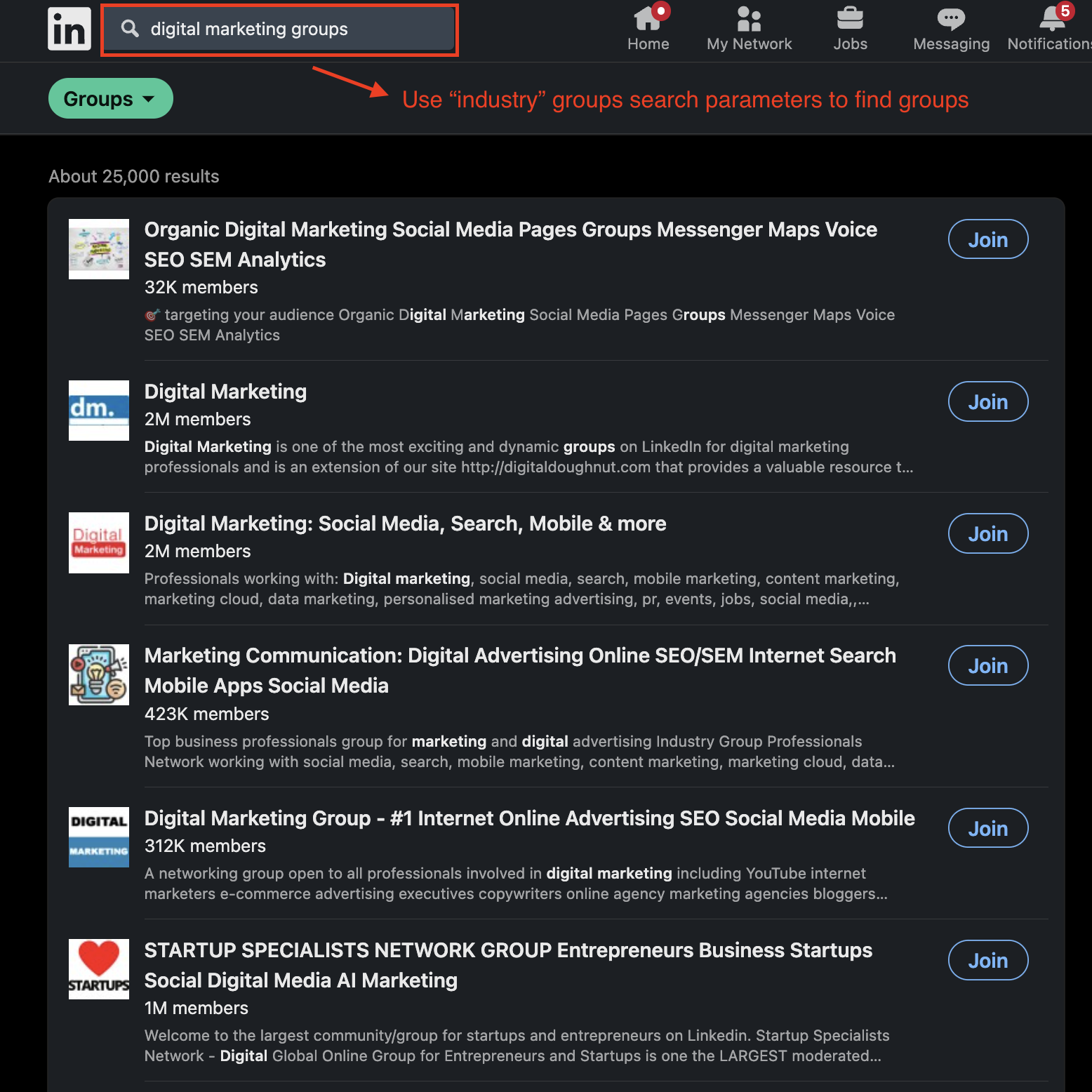
To leverage LinkedIn groups for lead generation–become a resourceful contributor instead of a business promoter. Your goal should be to consistently provide value to a specific community group. You can do this by:
- Sharing actionable tips and guides to address certain problems
- Answering questions from the members that may spark further discussion
- Be creative with your approach to solutions, and don’t just copy others, which will showcase your uniqueness
The idea is to position yourself as a knowledgeable authority that people will naturally want to connect with and learn more from. Here is an example of a well-made LinkedIn group contributions:
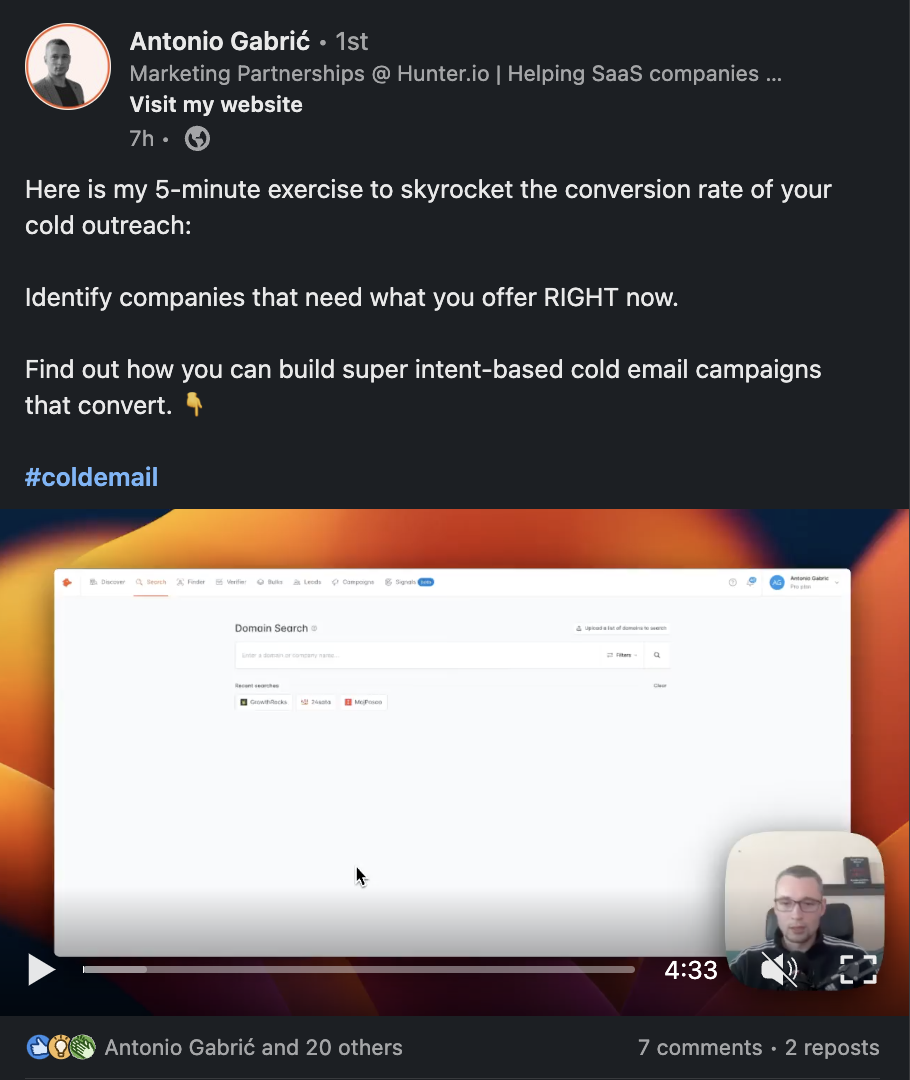
First of all, this post shares actionable tips in an easily digestable format–video. It starts with a hook that outlines the solution: “skyrocket the conversion rate of your cold outreach”. Then at the end, it invites the group members to engage with the content and try to use the service.
While you might probably start to leverage LinkedIn groups from the lead generation perspective, look at them from the long-term perspective. You gain a positive reputation by genuinely helping others, which creates new business relationships and expands your brand reach.
Develop Dedicated Pages for Products/Services
Instead of burying your standout products or services as a footnote on your LinkedIn company page, you can leverage Showcase Pages to put them in the spotlight.
Showcase Pages are an extension of LinkedIn company pages that provide you with a couple of business benefits:
- Increase in visibility: As a Showcase Page acts as a spotlight, it helps your key services cut through the noise and gain more visibility with your ideal audience.
- Tailored content: You can craft a content strategy with a focus on the specific product/service, and highlight use cases and value propositions to interested prospects.
- Boost your social proof: You can also share customer testimonials and case studies that build credibility and social proof around your product/service.
- Actionable insights from analytics: Showcase Pages have integrated analytics that show exactly who is engaging with your content, and allow you to refine your targeting further.
With an insight-driven Showcase Page, your prime products and services won’t be an afterthought. Instead, they will be the main deal that attracts the proper leads eager for more information.
Widen Your Targeting
While narrowing down your target audience can help you get to your ideal leads, sometimes this can be limiting–especially if you didn’t define them properly.
Let’s say that you are narrowly targeting your potential leads:
- US-based software companies
- Less than 1,000 employees
- Companies with headquarters in NYC
- All companies working with WordPress technology
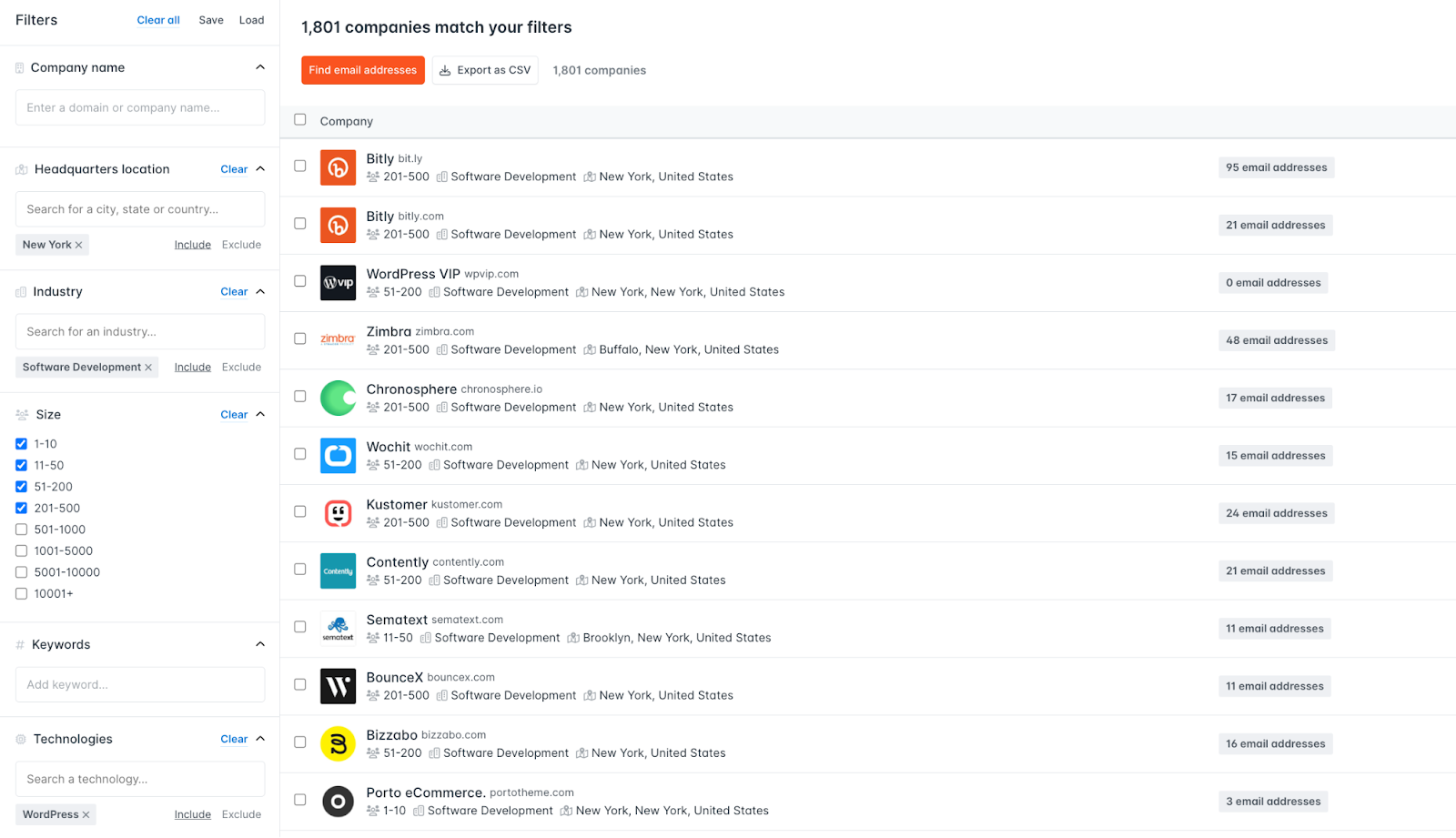
While this targeting is super specific and reaches your target audience, consider the fact that only 8.5% of cold emails get a response. When you couple this with the smaller number of potential leads when having a narrow targeting strategy, you might get a smaller amount of conversions.
To solve this problem, why not widen your targeting? You could target your potential leads like this:
- US-based software companies
- Less than 1,000 employees
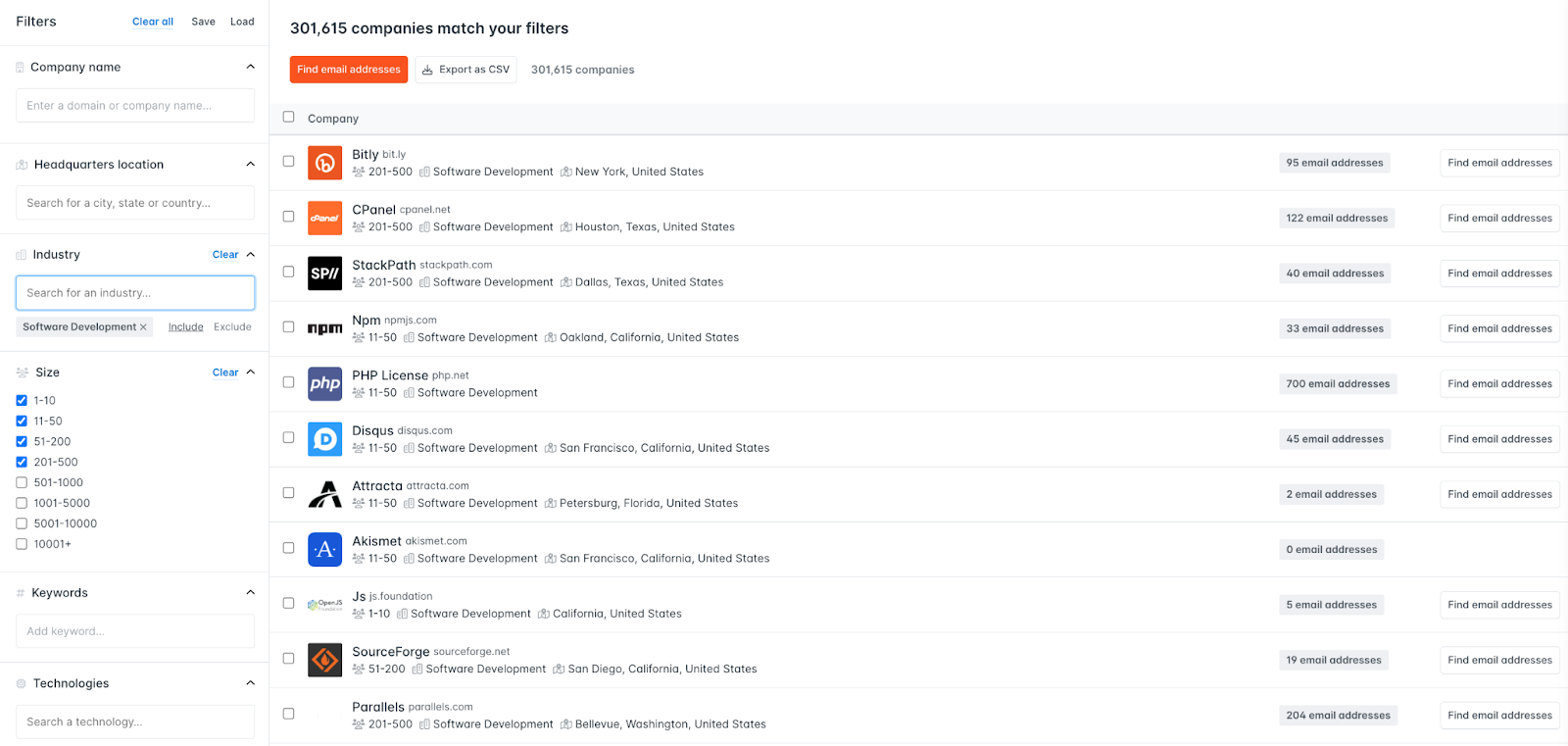
This will give you a much higher number of companies that might need your services. While some of the companies might be out of your service/product scope, you could find some gems that you otherwise wouldn’t find with narrow targeting.
While having 150x more potential companies to reach out to looks nice in theory, this might be too overwhelming, so feel free to play around with filters to your liking. It’s important to balance quantity and quality of leads to ensure your efforts are both efficient and effective.
Expand Your Email List
As emails can be 40 times more effective at securing leads compared to social media, and with millions of LinkedIn users available as a source of potential leads, it is worth it to add email lists to your lead generation arsenal.
A great way to quickly grow your email list is by tapping into your existing LinkedIn connections. When making new connections on LinkedIn, stay below the LinkedIn limits, be transparent about your email marketing and provide a clear opt-in opportunity for them.
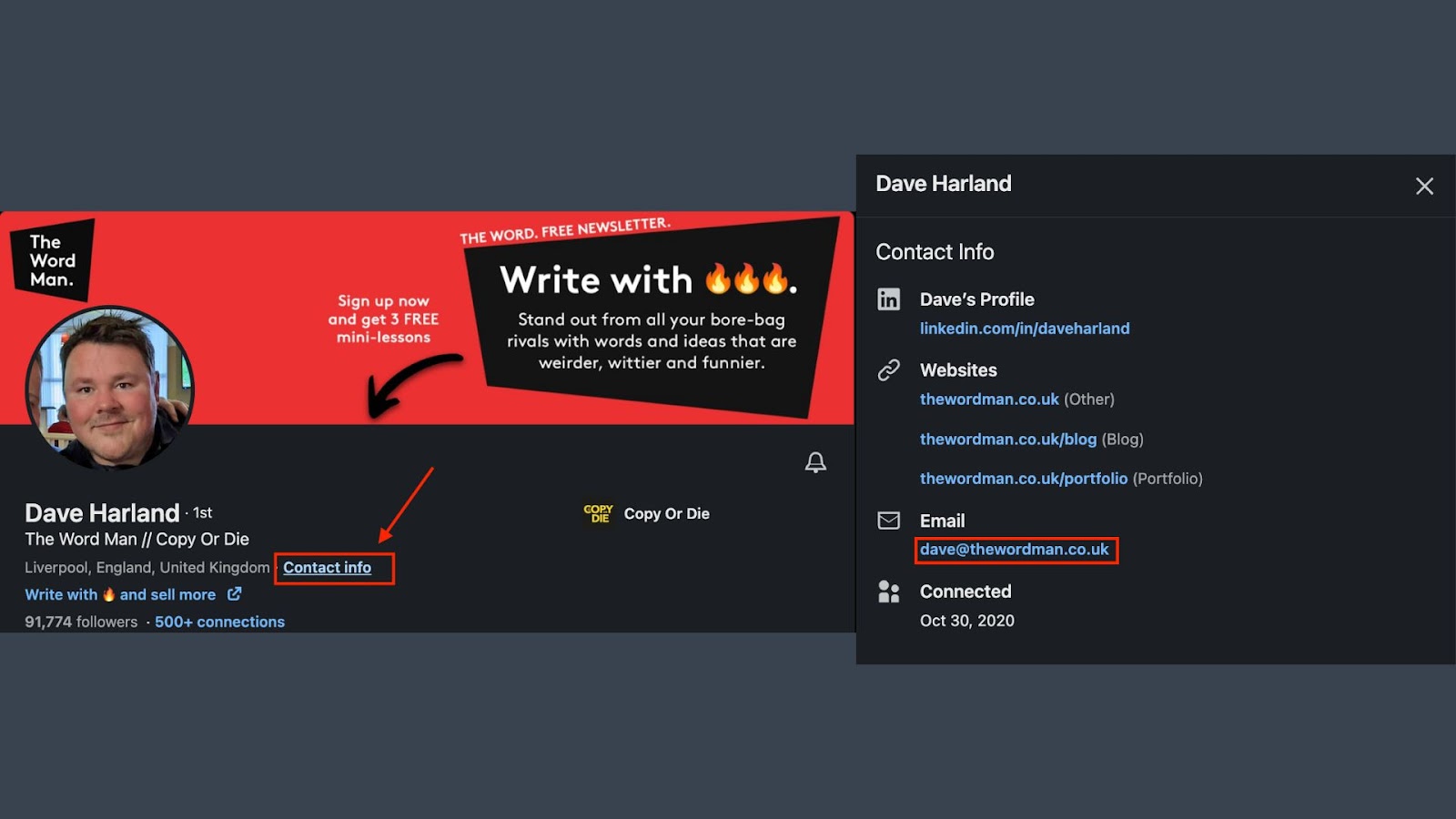
Additionally, you can find emails on LinkedIn by looking into the contact details available on LinkedIn profiles of each prospective connection:
From there, you can segment your email lists and create nurturing campaigns filled with high-value content such as:
- Gated assets (templates, e-books, and similar)
- Webinar invitations
- Promotional offers and free consultations
As you grow your email list, you want to make sure that each email is verified, as sending emails to unverified emails can hurt your sender reputation. That’s why it is important to regularly validate your email lists using an email verification tool.
From there, you can segment your email lists and create nurturing campaigns filled with high-value content such as:
- Gated assets (templates, e-books, and similar)
- Webinar invitations
- Promotional offers and free consultations
When segmenting your lists, reviewing each personal profile can help you gather relevant information for more targeted outreach.
As you grow your email list, you want to make sure that each email is verified, as sending emails to unverified emails can hurt your sender reputation. That’s why it is important to regularly validate your email lists using an email verification tool
Create Lead Magnets
Lead magnets are powerful tools for generating leads on LinkedIn. A lead magnet is any valuable resource or offer—such as an eBook, webinar, checklist, or template—that you provide to potential customers in exchange for their contact information. The key is to offer something that solves a real problem or fulfills a specific need for your target audience.
On LinkedIn, you can promote your lead magnets through sponsored content, message ads, or by integrating them with LinkedIn lead gen forms. These gen forms make it easy for users to share their details with just a few clicks, especially on mobile devices, increasing your chances of capturing qualified leads. For example, a downloadable industry report or a free consultation can serve as an effective lead magnet, drawing in prospects who are actively seeking solutions.
By creating relevant and high-value lead magnets, you not only generate leads but also establish trust and credibility with your audience. This approach encourages potential customers to take the next step in their buying journey, moving them closer to becoming engaged leads.
Automate Your Lead Generation Process
While LinkedIn doesn’t have relevant built-in automation features, there is a great integration between LinkedIn Ads, LinkedIn Lead Gen Forms, and Zapier, that can automate LinkedIn lead generation.
With LinkedIn Ads, you can create sponsored content targeted to a certain audience. Your content will be shown to them continuously, which can nurture relationships with these prospects even when you are not doing active prospecting.
LinkedIn Lead Gen Forms allow you to create generation forms specifically for lead generation purposes, making it easy to collect all the leads generated from your campaigns. These forms collect data such as name, email, job position, and industry, and are connected to the CTA of your LinkedIn ads. Basically, when a user clicks on your LinkedIn Ad, a pre-filled form with their data will pop-up, and they can reach your webpage after submitting the form data.
Now, the magic happens with Zapier–you can create triggers to automate LinkedIn lead generation. To efficiently do this, here are the triggers that can fully automate this process:
- Add new LinkedIn leads to your CRM, such as VCITA, Hubspot or Salesforce.
- Send immediate welcome emails to your LinkedIn leads.
- Add LinkedIn leads to your marketing newsletter and webinars.
- Add new LinkedIn leads to Google Sheets rows.
The integration with Zapier allows you to perform LinkedIn lead generation at scale–with personalization and providing value, as well as for data analysis in Google Sheets. This automation process can significantly enhance your lead generation process and saves a ton of time that would otherwise be spent manually.
Measure and Optimize Lead Generation Efforts
To maximize the impact of your lead generation strategy, it’s essential to measure and optimize your efforts continuously. Start by tracking key metrics such as conversion rates, cost per lead, and the quality of leads generated. LinkedIn analytics offers deep insights into campaign performance, helping you understand which tactics are driving results and where there’s room for improvement.
Regularly reviewing your data allows you to refine your targeting, adjust your ad creative, and fine-tune your messaging for better engagement. By leveraging LinkedIn analytics, you can identify trends, test new approaches, and ensure your lead generation efforts are delivering a strong return on investment. Continuous optimization not only boosts your campaign performance but also helps you stay ahead of the competition in a rapidly evolving digital landscape.
Case Studies and Results
Real-world success stories highlight the power of LinkedIn lead generation when executed with a strategic approach. For instance, a mature SaaS vendor in Australia leveraged LinkedIn lead gen forms and targeted LinkedIn ads to generate over 1,000 leads at a cost per lead of just $16.76, significantly boosting their sales pipeline. In another case, a new SaaS company entering the Australian market achieved a remarkable 25% conversion rate from lead to opportunity using LinkedIn lead gen forms and valuable content tailored to their audience.
These examples underscore the effectiveness of combining LinkedIn Sales Navigator, LinkedIn groups, and sponsored content to reach and engage the right prospects. By focusing on high-quality lead magnets, optimizing campaigns with LinkedIn analytics, and nurturing leads through the sales process, businesses can achieve impressive results and drive sustained revenue growth. The key takeaway: a well-executed LinkedIn lead generation strategy, supported by continuous measurement and optimization, can deliver outstanding outcomes for companies of all sizes.
Conclusion
LinkedIn is a gold mine of opportunities for lead generation. As you learn to leverage its targeting, outreach, and content marketing capabilities, you can streamline your LinkedIn lead generation efforts while maintaining a personalized and authentic approach.
Ultimately, a well-executed LinkedIn strategy can drive sustainable lead generation and business growth, while building your long-term online reputation.