

TikTok has become one of the most powerful income channels for creators and businesses, with a huge global audience of over a billion monthly users and some of the highest engagement rates online. Its short-form format drives discovery at scale, making it easier to reach potential buyers or sponsors across the world, highlighting TikTok’s worldwide popularity and influence.
Monetization goes far beyond built-in payouts: you can sell products, run affiliate campaigns, collaborate with brands, and build long-term revenue streams.
This article breaks down the main ways to earn on TikTok, providing details on monetization methods, eligibility, best practices, platform tools, external strategies, compliance tips, and the challenges you need to know before scaling your efforts.
- 7 days for free
- No credit card required
- Access to all premium features
Native TikTok monetization opportunities + best practices
Native TikTok monetization tools are the easiest way to start earning because they work directly inside the app: no third-party setup required. They’re designed for TikTok creators with an engaged audience, but you must meet eligibility rules like follower count, recent views, and account status. It’s important to understand the specific TikTok monetization requirements before you can access earning features, as meeting these prerequisites is essential for generating income from TikTok. Once you qualify, these features turn views, Lives, and product showcases into real income with minimal extra work, while also managing rewards and content performance using TikTok’s built-in tools or dashboards.
TikTok creator rewards program
The TikTok Creator Rewards Program (formerly Creator Fund) pays eligible creators based on video performance. Be sure to review the details of the TikTok Creator Rewards Program, including eligibility criteria and how rewards are calculated, to maximize your success.
To join, you need at least 10,000 followers, 100,000 views in the last 30 days, and a personal account in good standing.
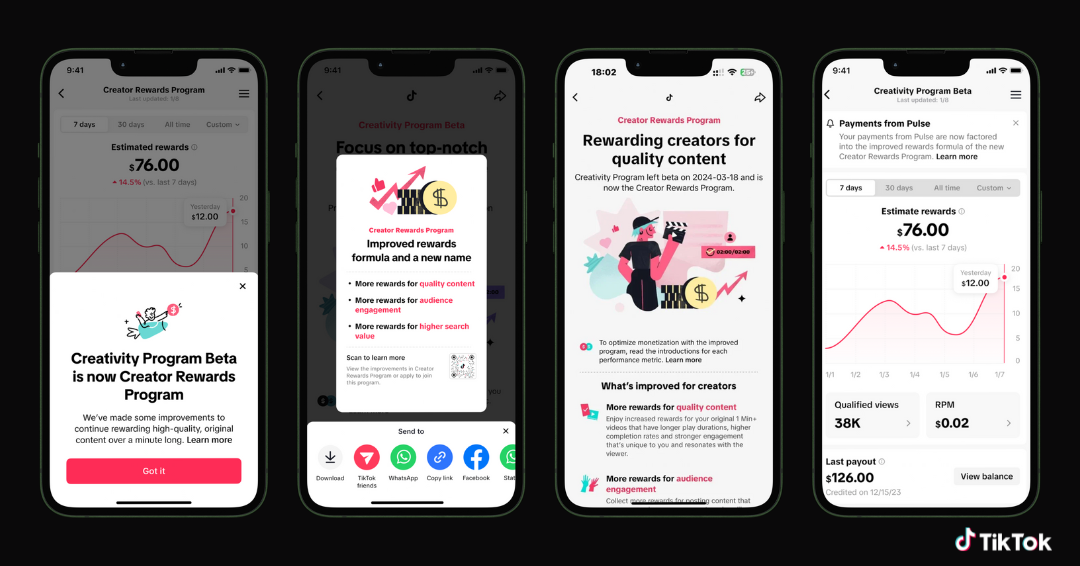
Once accepted, payouts are calculated using watch time, engagement, and audience retention. Using TikTok Studio to track analytics helps you see what resonates with your target audience so you can create engaging videos that keep viewers watching. Longer videos, clear storytelling, and regular posting often lead to a significant increase in rewards.
TikTok Live: gifts and subscriptions
TikTok Live lets you connect with your audience in real time, collect virtual gifts, and, in some regions, offer exclusive access through subscriptions. During a live stream, a viewer can interact by commenting, reacting, and engaging with your content as it happens. When you interact with viewers, speak directly to them, and encourage participation, you build deeper connections that motivate fans to send tips and come back for future streams. For example, a viewer sends virtual gifts like diamonds during a TikTok Live session, which can be converted into real money by the creator. These virtual gifts are purchased by viewers with real money, directly contributing to your revenue. Keeping subscription costs low helps you grow membership numbers while maintaining steady income. Access to TikTok Live monetization features can also depend on your location, as eligibility and available programs vary by country or region.
TikTok Shop and product tagging
For creators ready to sell products directly, TikTok Shop and product tagging let you showcase items within videos so viewers can buy without leaving the app. The key is authentic content: product demos, tutorials, and user generated content consistently outperform hard sales pitches. Pair high-quality content with clear calls to action and you can turn casual scrollers into buyers.
TikTok ads and sponsored posts
TikTok’s ad revenue programs, including TikTok Pulse, give creators with a strong presence a share of advertising revenue. Sponsored collaborations work in a similar way; you can find brands that align with your niche and create sponsored posts that feel natural to your style.
Balance is crucial. Blending promotions with regular videos keeps TikTok audiences engaged and protects long-term trust.
Using TikTok as a channel for external / hybrid monetization
Even when native monetization options are available, the highest earning potential often comes from using TikTok to lead your audience into revenue opportunities you fully control. You’re leveraging your creativity and reach to promote products, services, or content elsewhere. Below are key hybrid strategies — with tips and caveats — that many creators use to diversify income.
Affiliate marketing
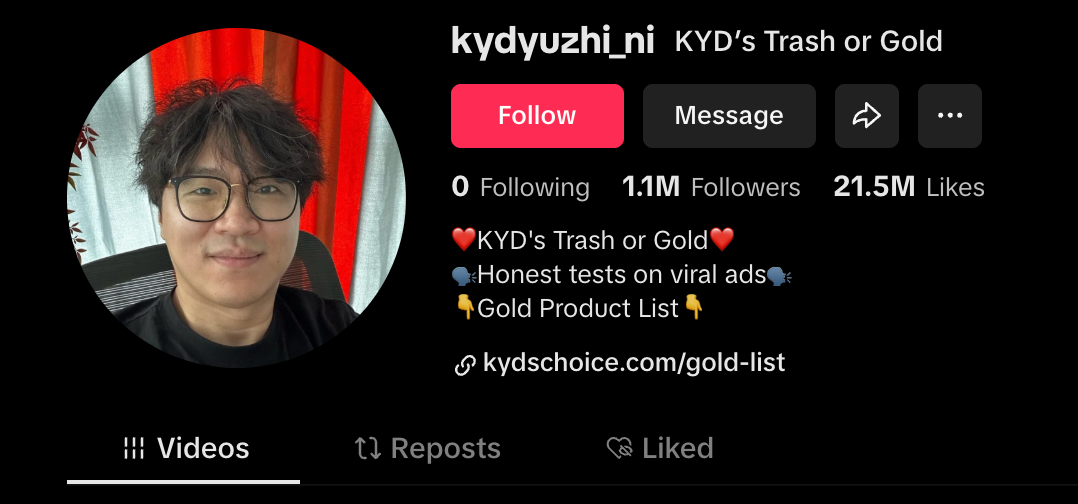
Affiliate marketing is among the quickest ways to earn money via TikTok using external systems. Through TikTok Shop’s affiliate marketplace or independent affiliate networks, you can promote products aligned with your audience’s interests and receive a commission on every sale made via your referral.
To succeed, pick affiliates whose products naturally fit your niche. Place links or codes in your bio, or reference them in-video (when policy allows). Track clicks, conversions, and revenue so you know which product promotions work. Always disclose clearly that a post carries affiliate links; transparency helps maintain trust.
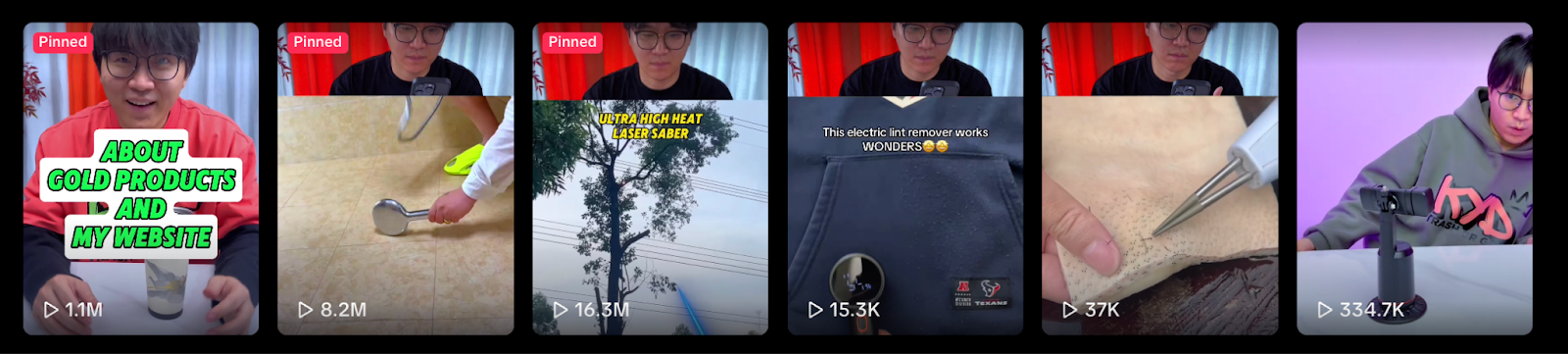
Avoid pushing too many affiliate offers in a row… your followers may disengage if your feed becomes overly commercial.
Brand deals & sponsored content
Brands actively seek creators with engaged audiences, even if you don’t have a massive following yet. Sponsored content — where a brand pays you to integrate their product or service into a video — is a classic hybrid strategy.
When negotiating, consider usage rights (how long the brand can reuse your content), rate (flat fee, performance bonus, or both), and deliverables (number of videos, format, exclusivity). Build a media kit showing your reach, engagement, typical video performance, and audience demographics. In deals, preserve your voice — if your audience senses nothing is authentic, trust erodes. Always have contracts in writing that protect your rights.
Selling your own products & merchandise
Instead of waiting for TikTok’s features to enable commerce, creators often use TikTok purely as an attention engine. You can promote your own physical goods — print-on-demand products, branded merchandise, or private-label items — through videos and links to an external store (Shopify, Etsy, etc.).
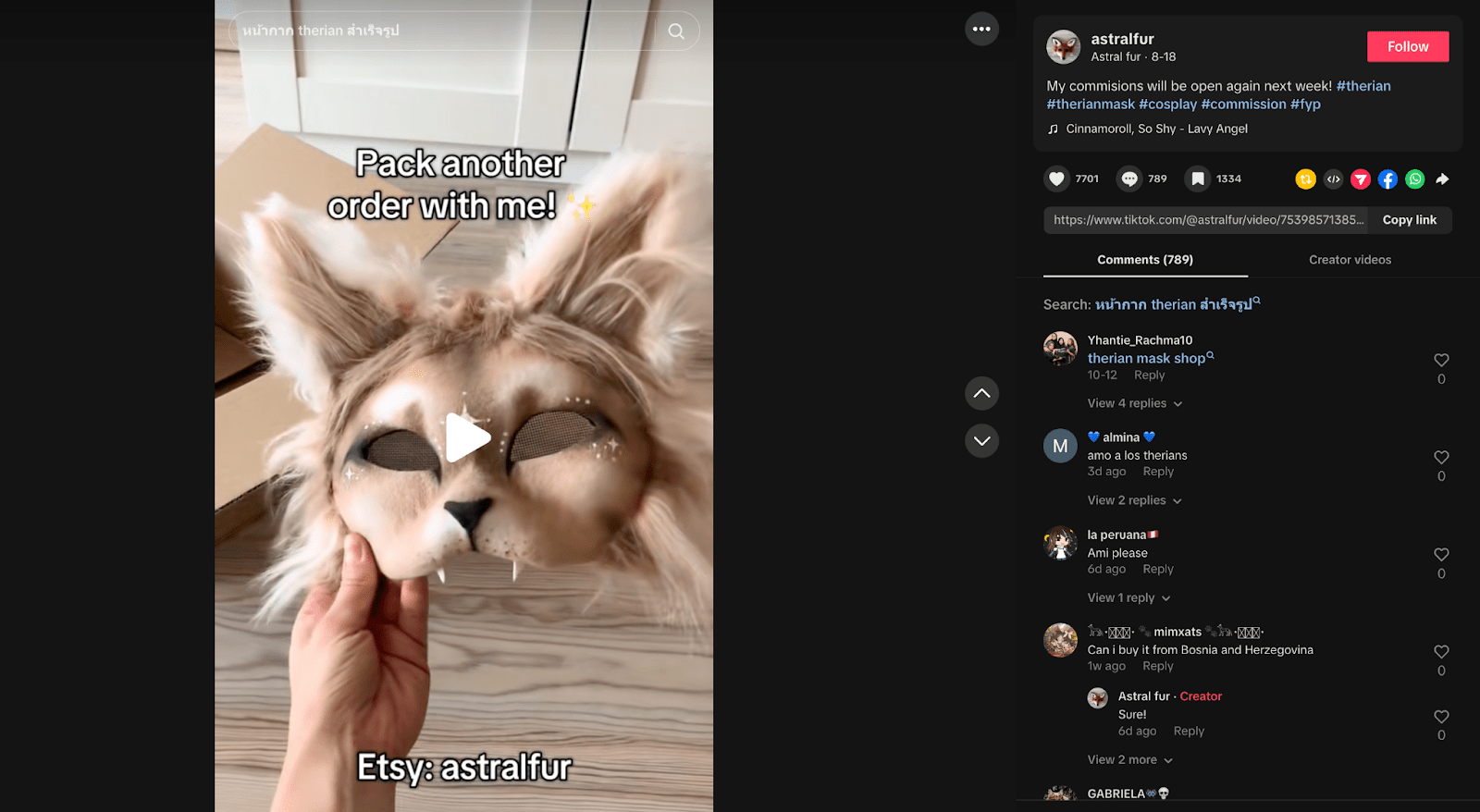
When doing this, design is crucial; the product must suit the aesthetic your followers have come to expect from your content. Fulfillment, shipping costs (a fuel card can save money for your delivery fleet here), returns, and margins require attention: a major flop can cost you money. Use product-launch videos, unboxings, or behind-the-scenes content to build hype. If you’re looking to take it a step further, consider how to create a marketplace app to streamline your sales directly through your own platform. If TikTok Shop is available in your region, consider using it in tandem (tag products where possible) to reduce friction.
Digital products, courses & coaching
If you offer specialized knowledge or services, TikTok is a means to funnel interested users to your premium offerings — such as online courses or coaching. Since selling digital products directly on TikTok is restricted in many markets, creators place a link in their bio pointing to a landing page or external platform where the transaction happens.
Offer free, high-value content on TikTok to build authority and trust. Use testimonials, previews, and “micro-lessons” in your feed to showcase your expertise. Price thoughtfully: too high and few convert, too low and you’re undervaluing your work. Upsells or bundles can increase your average order value.
Memberships / subscription / exclusive content
Another hybrid route is to operate a membership or subscription model via external platforms (Patreon, Ko-fi, private Discord servers, etc.). You use TikTok as the funnel. Offer bonus content, behind-the-scenes access, or early releases exclusively to paying members.
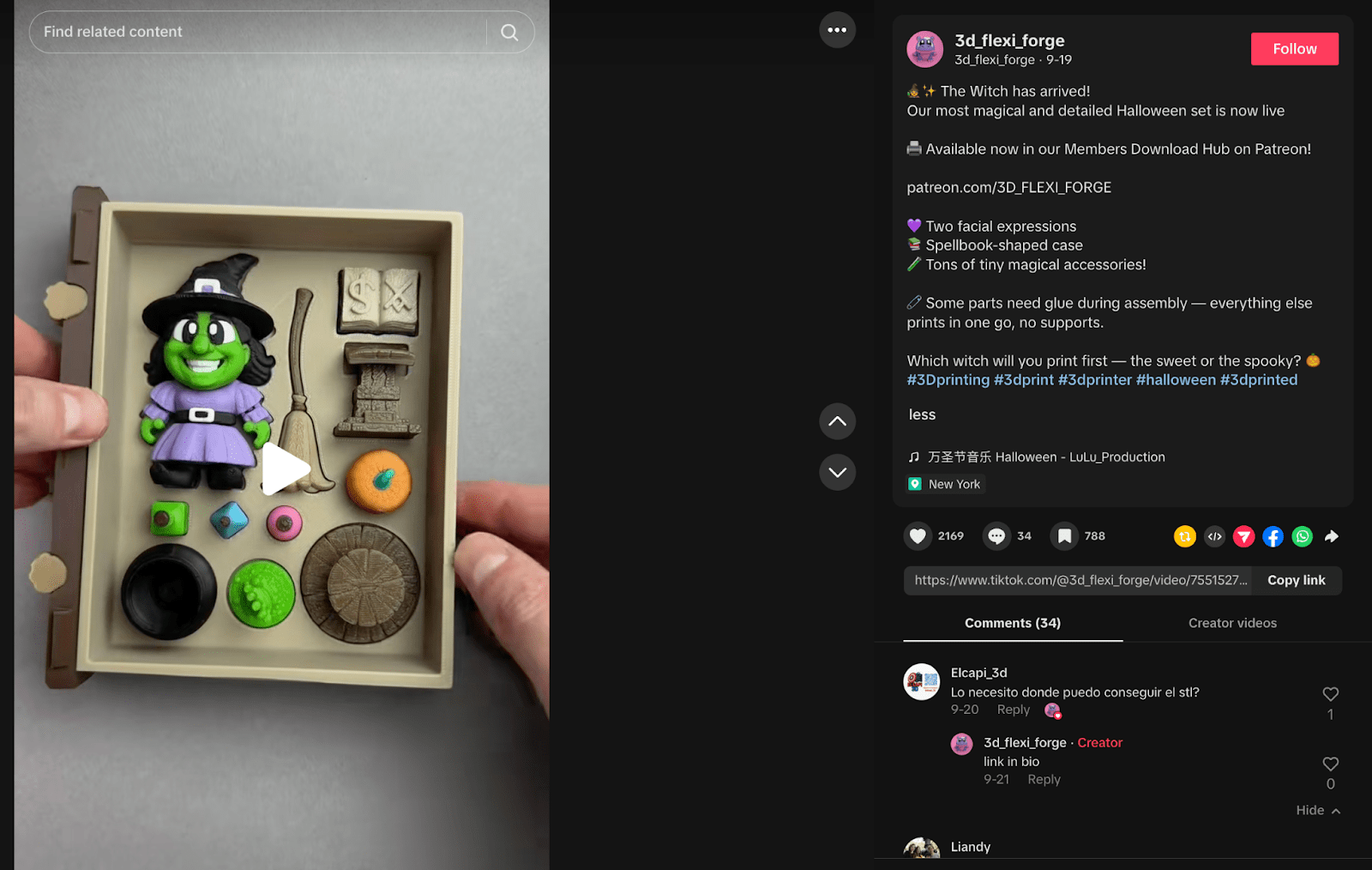
Begin with modest subscription levels to entice entry. Clearly outline what a subscriber gets every week or month. Engage members often, because churn is the enemy of recurring revenue. Use your creativity to make memorable “subscriber-only” experiences — Q&As, deep-dive lessons, or direct access that can’t be found in your regular feed.
Cross-platform growth & audience ownership
TikTok should never be your only stage. Use it to drive viewers to owned assets: an email list, blog, YouTube channel, or newsletter. Those platforms let you monetize more flexibly — ads, affiliate links, direct sales, premium content — without being bound by TikTok’s policy changes. Tools like ReferralCandy help creators and ecommerce brands turn that cross-platform audience into real revenue by automating referral, affiliate, and influencer programs that convert engagement into sustainable income streams.
Repurpose TikTok videos across platforms (YouTube Shorts, Reels, etc.) to reach new viewers. Keep your branding consistent so audiences recognize your voice. Always push followers to your “owned” channels (e.g. “link in bio,” “join my mailing list”) so you retain contact even if TikTok’s algorithm shifts. Just as creators use TikTok to build audiences before monetising, successful businesses similarly deploy contract lifecycle management software to streamline deals and convert attention into revenue.
Licensing viral content, audio & clips
When one of your videos or original sounds goes viral, there’s often demand beyond TikTok. Brands, media outlets, or other creators may want to license that content for ads, campaigns, or use in productions. As the original creator, you can monetize by granting usage rights.
Keep original high-resolution files, document your ownership, and watermark where needed in previews. When negotiating licensing deals, protect how and where the content will be used — duration, geography, modifications allowed. Always secure agreements in writing.
Legal, transparency & disclosure essentials
This section is extremely important, yet extremely often overlooked.
When monetizing on TikTok, it’s crucial to handle user data responsibly and comply with privacy policies to ensure legal compliance and maintain audience trust.
Misstep here can lead not just audience distrust, but legal trouble or content takedowns. Below are the major areas to get right.
Affiliate & sponsored content disclosures
When you promote a product, brand, or service and receive compensation, free goods, or any material benefit in return, that relationship must be made clear and conspicuous to your audience. In the U.S., the FTC’s Endorsement Guides require that influencers disclose “material connections” so that followers understand the relationship.
Here’s how to do it properly:
- Use straightforward labels like “#ad,” “Sponsored,” “Paid Partnership”. Vague ones (e.g. “#sp” or “thanks to @brand”) may not suffice. Check the example below:
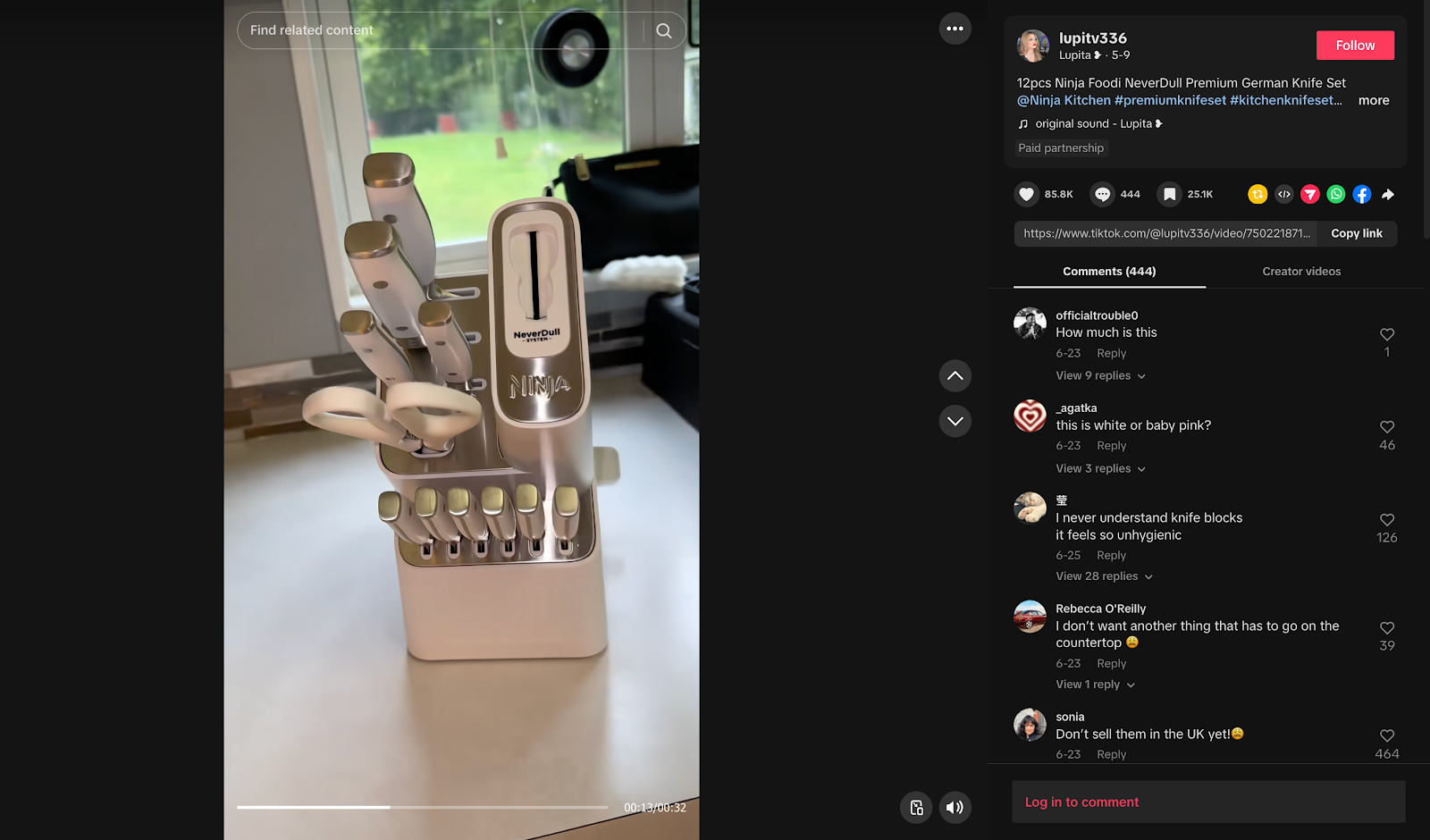
- Place disclosure early in your post or video — ideally before any promotional content — so it’s visible without requiring a “see more” click.
- In video content, speak the disclosure aloud and/or show it in text overlay. Many viewers watch silently, so a caption or overlay matters too.
- Disclose clearly on each individual post. A disclosure in your bio or only once is not enough when many posts are sponsored.
- Be truthful in your statements. Do not make exaggerated or unsupported claims about a product’s effectiveness.
If you’re posting to audiences outside the U.S., check local rules: many countries have their own laws requiring disclosure of paid content.
TikTok policies & eligibility conditions
Even if your monetization is external, your TikTok content must comply with platform rules. Some key points:
- Access to many monetization features is restricted by region, follower count, and content standing. TikTok’s eligibility criteria vary by country and tool.
- You must meet age restrictions. For example, to host LIVE sessions with monetization (gifts, tips), you often must be 18 or older (some regions allow 16+ but with limitations).
- Business / commercial accounts don’t always have access to the same music library as regular accounts. TikTok maintains a Commercial Music Library (CML) licensed specifically for monetized content, distinct from the general music catalog. Using non-licensed music in a business or brand video can invite copyright claims.
- TikTok’s Terms of Service stipulate that under-18 users must have parental consent, and certain features are blocked for younger users.
- Content must comply with community guidelines, advertising policies, and e-commerce rules (e.g. prohibitions on false claims, prohibited products). If TikTok detects noncompliance, content removal or account penalties may follow.
- Even if TikTok gives you a tool (e.g. “Promote” or “Boost”), you still are responsible for ensuring your content is compliant in every jurisdiction you reach.
Intellectual property, music rights & product claims
Property rights and claims about products are sensitive legal areas. Mistakes can result in takedowns, copyright strikes, or legal claims.
Copyright & music rights
Every video is a “synchronization” (sync) of visuals and sound. Unless licensed, using copyrighted music or audio in your videos may infringe rights.
TikTok has licensing deals with major music publishers, enabling use of many tracks within its library for general content. But those deals often don’t fully protect commercial creators or business accounts, which must use the Commercial Music Library (CML) when monetizing.
If you’re using original music or a track you own, you may need to notify TikTok or assert rights to avoid muting or takedowns.
Also, using copyrighted video clips, graphics created with AI image prompts, or sound must respect fair use exceptions. However, fair use is a defense and not a guarantee. Approach carefully.
Product & performance claims
When promoting a product, avoid making claims you can’t support:
- If you say “this will cure X,” “this is guaranteed,” or “loss of 10 kg in one week,” you may face legal scrutiny or violations under advertising laws.
- If you cite studies or statistics, be ready to provide references. Be transparent about limitations, disclaimers, side effects, or case variability.
- If your content includes testimonials, they must reflect real user experiences. You cannot fabricate or mislead.
Over to you
TikTok offers a lot of powerful tools for creators, both native and hybrid TikTok monetization strategies.
However, monetizing your TikTok account isn’t without obstacles:
- First, eligibility and access limits restrict many tools based on region, follower count, view counts, or policy standing — you might hit a ceiling even if your creativity is strong.
- Algorithm changes or shifts in monetization policy can suddenly shrink reach or disable tools you relied on.
- Over-monetizing leads to audience fatigue: if you’re always pushing something to “get paid,” you risk eroding trust and engagement.
- On top of that, margins and revenue cuts squeeze creators — platform fees, affiliate splits, costs of production, shipping, and returns all chip away at earnings.
- Finally, competition and saturation are real: there are countless creators vying for attention, so to stand out you must lean into a unique voice, niche content, or deeper audience connections.
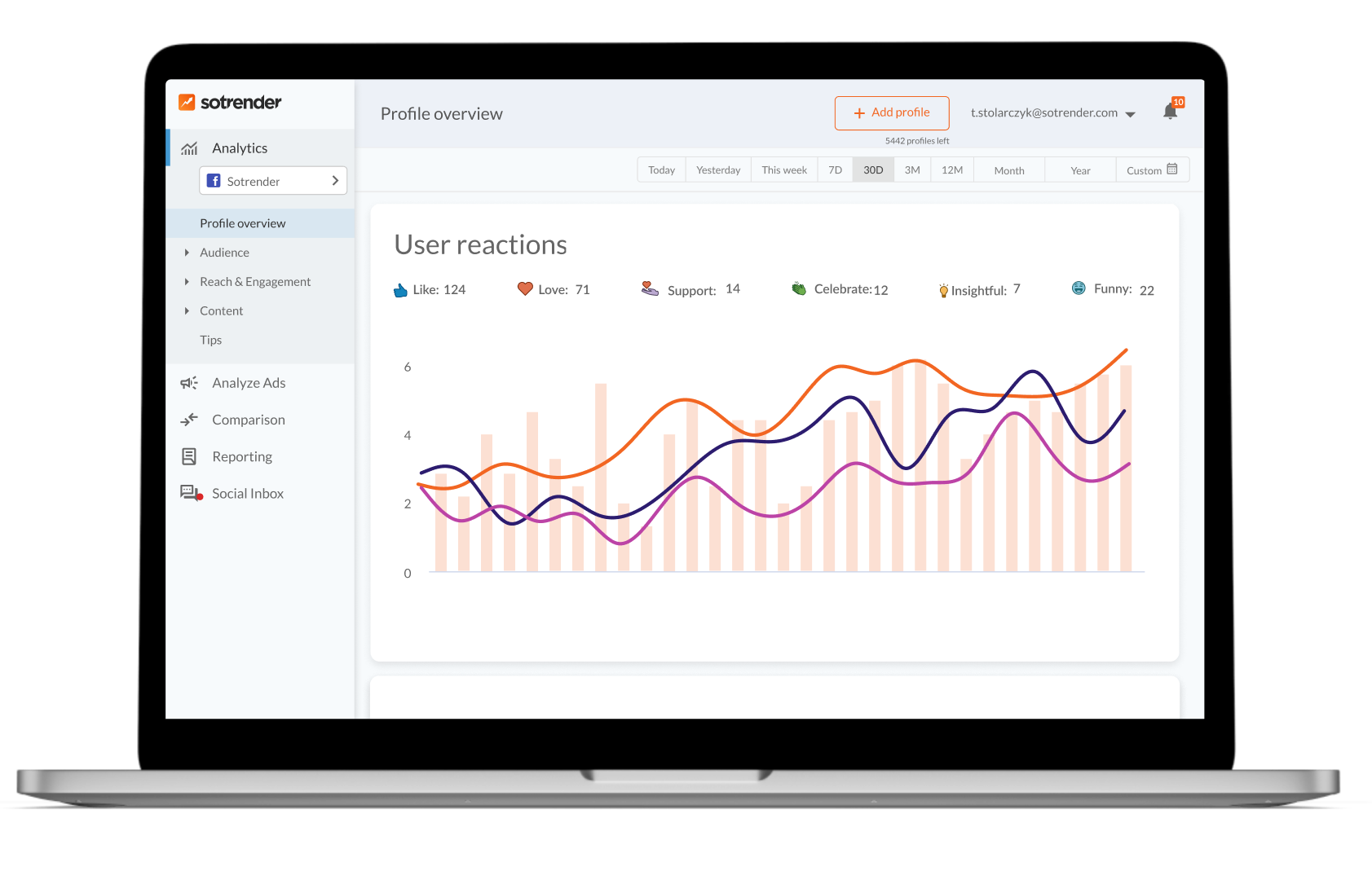
Start by mapping what fits your niche, resources, and energy. Experiment — test a small affiliate link, run a product drop, or try LIVE gifts. Use Sotrender analytics to measure which approaches work, then double down. Always keep one eye on the long term!