
As days go by, you’re casting a nervous glance at your social media marketing (SMM) time (and budget!) while crossing your fingers not to get evidence confirming your apprehensions. What if you’re simply squandering your precious hours on the wrong social channel, whether Threads, X (formerly Twitter), or LinkedIn?
If you turn to numbers, you can see the statistical breakdown of marketers using those for their needs:
This competition between platforms is not just about features, but also about capturing market share and increasing daily active users, as each platform strives to dominate the social media market.
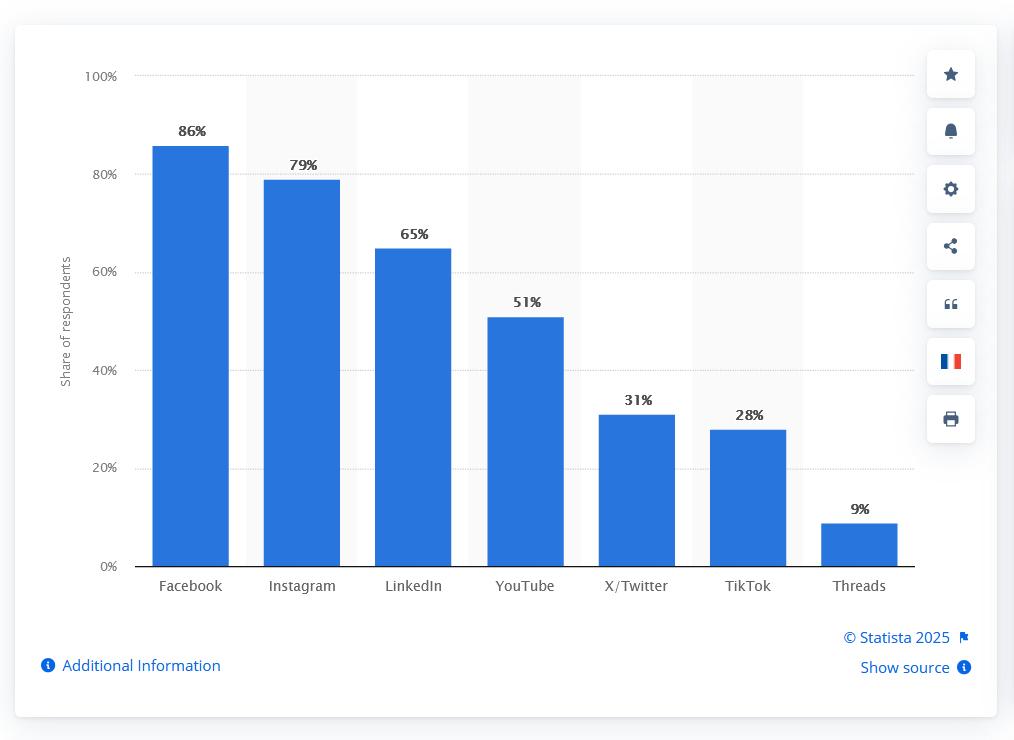
But does it mean you should discard Threads altogether and propel your marketing efforts solely on LinkedIn (after Instagram and Facebook)? Which is better to invest time, money, and human resources in 2025 and beyond? At the moment, each platform has its own strengths and weaknesses that may influence your decision.
Don’t hurry to decide that soon. There are other aspects you should take into account. We’ll discuss them all in this article. We’ll also highlight the key differences between Threads, X, and LinkedIn, emphasizing the difference in features, user engagement, and market positioning to help you make an informed choice. Then, we’ll demonstrate how the best social media strategies differ on Threads vs. X vs. LinkedIn, with a couple of generally applicable, cross-platform tactics along the way.
By the end, you’ll have the answer to which platform is best for marketers in 2025.
Meanwhile, let’s understand each separately.
- 7 days for free
- No credit card required
- Access to all premium features
Understanding Threads, X, and LinkedIn as SMM Platforms Used by Brands
Let’s stretch our imagination for a second and picture them as three people walking into a bar (not for a joke’s sake but for our contrasting purposes).
Threads would probably be a creative personality ordering a latte with art and casually reflecting on life. X would be someone who always keeps the finger on the “what’s new” pulse and has a knack for hot takes. In the early days, Twitter was known for its smaller message limits and a more organic, less curated environment, but it has since evolved with new features and a broader reach. And LinkedIn would be a professional holding a business card, bursting with enthusiasm to exchange experiences and lessons learned.
But what are those in reality?
Let’s review each with the number of global users, return on investment (ROI), and dominance among B2C vs. B2B social media marketers. Knowing where to focus your social media efforts is crucial, as each platform offers unique strengths that can impact your strategy’s success.
What Is Threads?
As the newest kid in the playground of social networks, Threads is a new platform and micro-blogging app created by Meta in 2023 to potentially rival X. In the EU, users cannot create a Threads account without linking it to Instagram, which highlights a significant restriction for those wanting to join.
Today, it pretty much looks like Instagram’s chatty cousin because it’s closely (literally!) linked to it. Threads’ integration with Instagram and compliance with regulations like the Digital Markets Act impacts its availability and functionality across multiple platforms. Users also need an Instagram account to read posts on Threads, as the platform is integrated with Instagram. Even better—you can enable automatic Instagram content reposting to Threads. Threads uses a thread format, allowing users to create sequential posts that enable longer, more organized discussions compared to basic message formats. The platform is designed to foster more engaging conversations, encouraging meaningful and in-depth interactions that set it apart from other social networks. Yet, its conversations are calmer than those on X and less expert-sounding than those on LinkedIn.
Threads Stats:
- MAU → 275M
- ROI → Only 3.5% of marketers said that Threads delivered the highest ROI (as of 2024).
- B2C vs. B2B Adoption → The usage rate is much higher among B2C brands: 64% vs. 19% of B2B.
What Is X/Twitter?
Once, there lived a social platform called Twitter. But then, in 2022, came the guy called Elon Musk, who bought and rebranded it later (in 2023) to X…
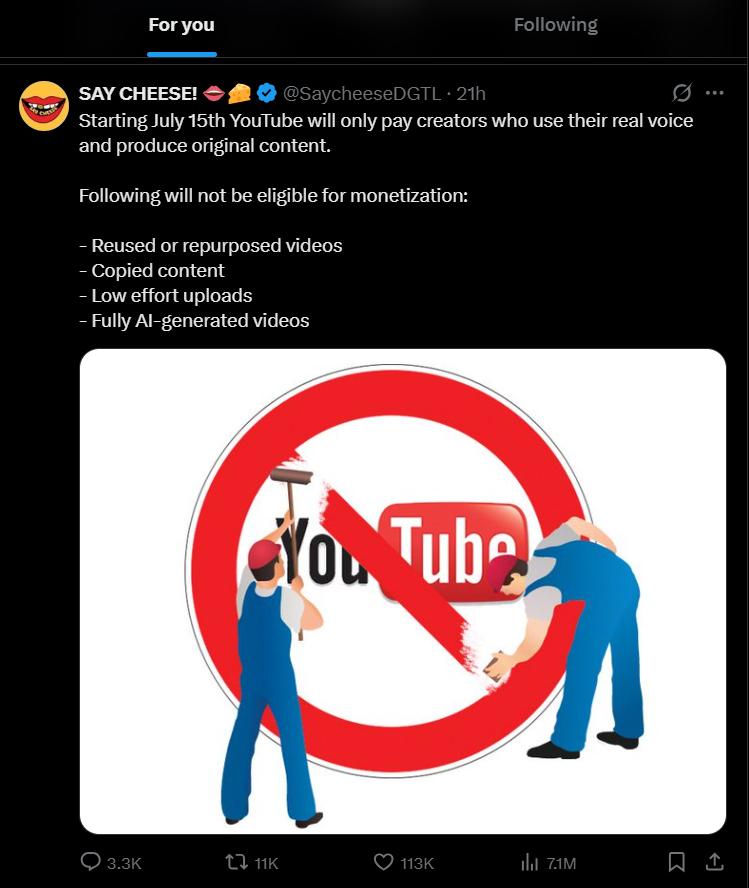
Storytelling aside, X is a social channel with short-form, snappy content (formerly known as “tweets,” now called “posts”), and lightning-fast news. The term “tweet” became iconic, shaping the platform’s culture and language. X is accessible via both mobile and web, with a strong web interface that attracts significant desktop traffic. First impressions of the web interface play a crucial role in shaping user perception and engagement. The X app is also available and stable on iOS devices, with version 10.3.2 offering a mobile-first design for iOS users. It is also a primary source for real time updates and trending topics, drawing users who want the latest news and viral discussions.
X Stats:
- MAU → 586M
- ROI → Only 6% of marketers cite X as the best ROI generator.
- B2C vs. B2B Adoption → Different studies indicate that the split is not that wide. Both B2C and B2B companies use X for marketing almost equally.
What Is LinkedIn?
Often referred to as a “B2B hub,” LinkedIn is the largest (and perhaps the oldest) networking site for professionals and businesses launched in 2003. Building strong connections on LinkedIn is essential for expanding your professional network and unlocking new opportunities. The company behind LinkedIn has focused on creating a platform tailored for professional networking and business growth. In addition, LinkedIn offers a wide range of online course options through its learning platform, supporting professional development and skill advancement for users.
LinkedIn Stats:
- MAU → 582M
- ROI → 85% of B2B marketers claim LinkedIn is the top-performing channel in terms of ROI and overall business value.
- B2C vs. B2B Adoption → It’s predominant among business-to-business brands, with 97% (!) choosing it for content marketing.
Comparing Threads versus X versus LinkedIn—Which Is Better?
Now, let’s compare Threads vs. X vs. LinkedIn based on the audience, content, business goals, and advertising potential. The features and aspects mentioned here will help highlight the key differences between each platform.
Audience Type
Threads
- Gen Z and Millennials
- Instagrammers
- Creatives
- People moving from X to Threads (46% already planned the switch.)
- Curious minds eager to test the new waters
Note: The largest age segment on Threads is 25–34, followed by those aged 18–24: roughly 36% and 19%.
X/Twitter
- Journalists
- News-hunters (In fact, 48% of X users scroll it for news.)
- Celebrity followers
- Politics-watchers
- Users interested in real-time debate and interactive discussions on trending topics, as the platform is known for facilitating structured debate and real-time conversations among its audience.
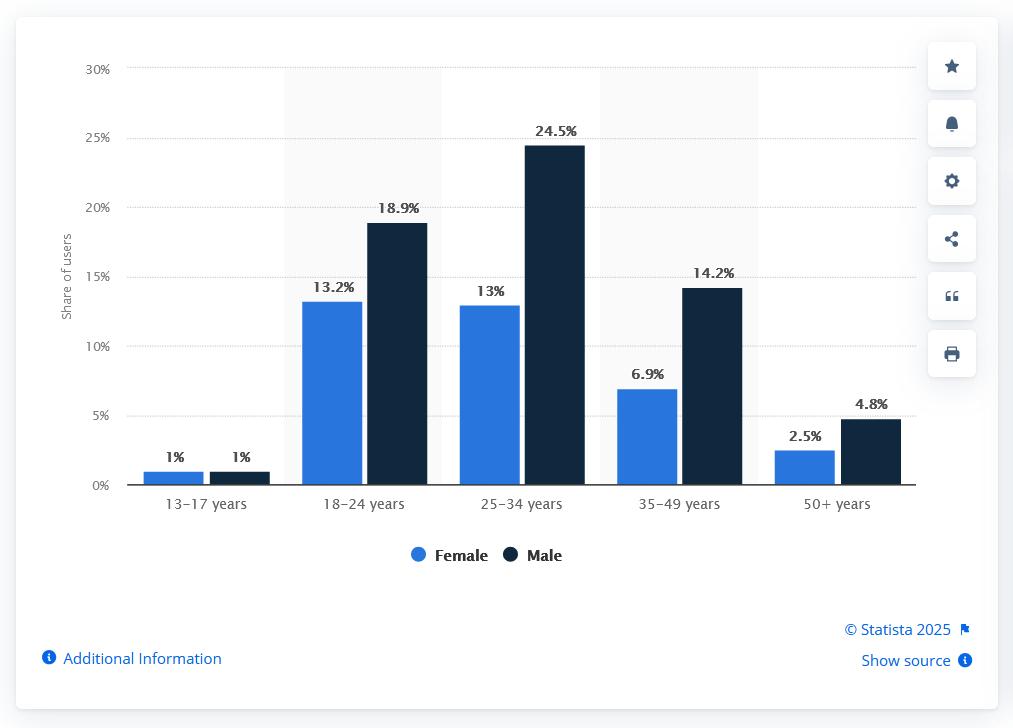
Note: Similar to Threads and LinkedIn, younger audiences are likewise the largest age population on X. However, when it comes to gender peculiarities, X has a noticeably higher share of male users.
- Professionals
- Thought-leaders
- Job-seekers
- C-suite leaders
Note: Those aged 25–34 account for nearly half (47.3%) of LinkedIn users.
Content Type
Threads
- Text-only posts
- Lifestyle photos
- Stream-of-consciousness/ramble threads
- Memes
X/Twitter
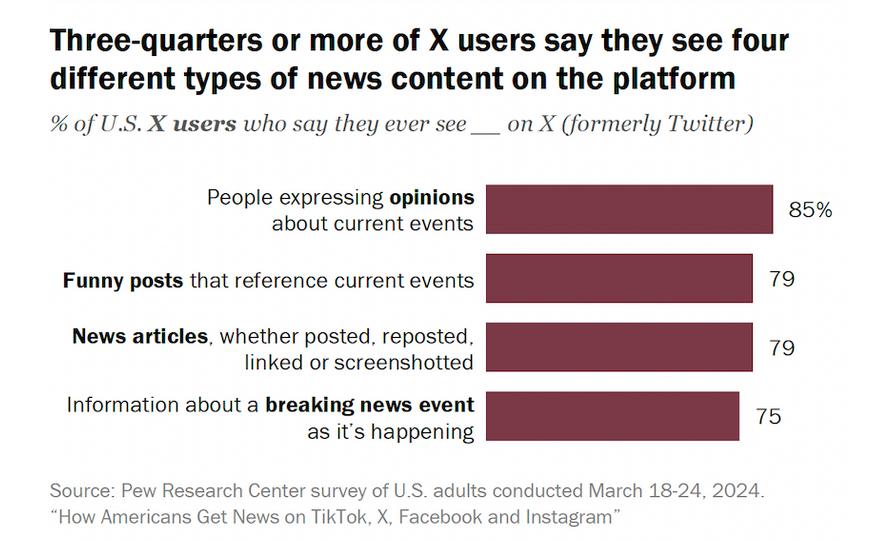
- Opinions
- Trend-jacked posts
- Breaking news
- Retweeted or repurposed content
- Screenshots
- Posts with links, allowing users to share resources and references
X offers both public posts and private messages, giving users multiple ways to communicate.
- Long-form, LinkedIn Pulse articles
- Case studies
- Hiring posts
- Employee spotlights
- Mistakes/successes
Universal tip:
If you’re wondering what to post on LinkedIn, X, and Threads simultaneously, here’s what works on all three:
- How-tos/hacks
- User-generated content (UGC)
- Polls
- Inspirational quotes
- “Myth vs. fact” comparisons
- Personal stories/anecdotes
- Behind-the-scenes
For example:
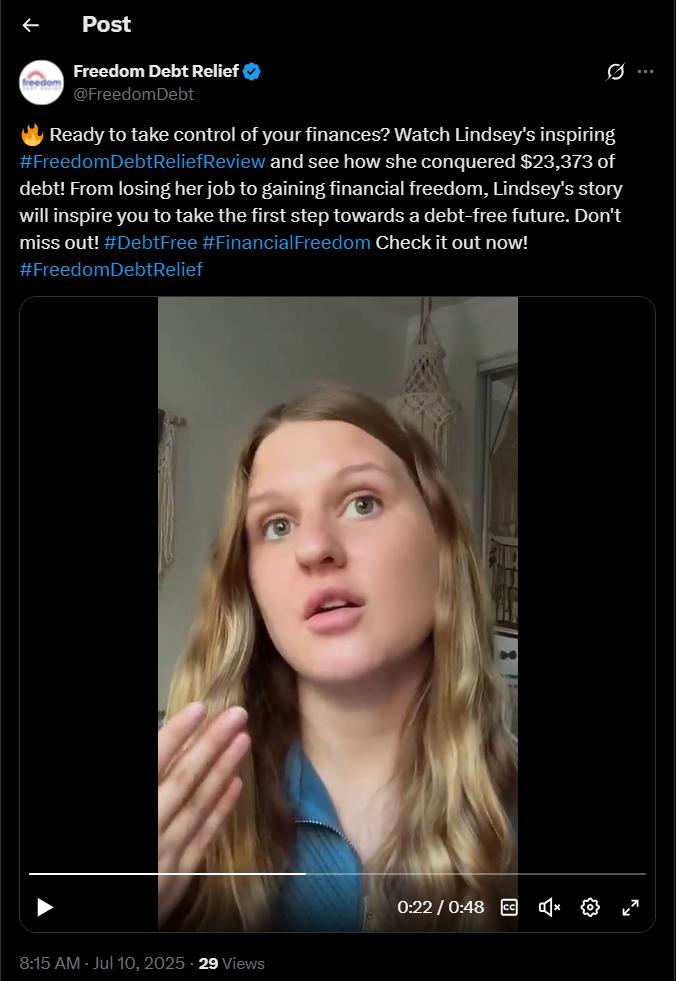
Suppose your brand offers financial services. You may dole out money-related tips or share client testimonials, just like this debt relief review on X.
Business Targets
Threads
- Establish a more casual and friendly brand voice
- Test extraordinary content ideas or social media campaigns
- Re-engage inactive audiences from Instagram
- Grow a loyal and engaged follower community
X/Twitter
- Set a bolder brand voice
- Jump on trends (or trend-jack someone else’s content)
- Go viral
- Connect with media pros and amplify public relations
- Build a solid reputation as an industry thought leader
- Generate leads
- Improve the employer brand
- Attract and hire new talent
- Network and grow meaningful relationships with partners, customers, employees, etc.
For example:
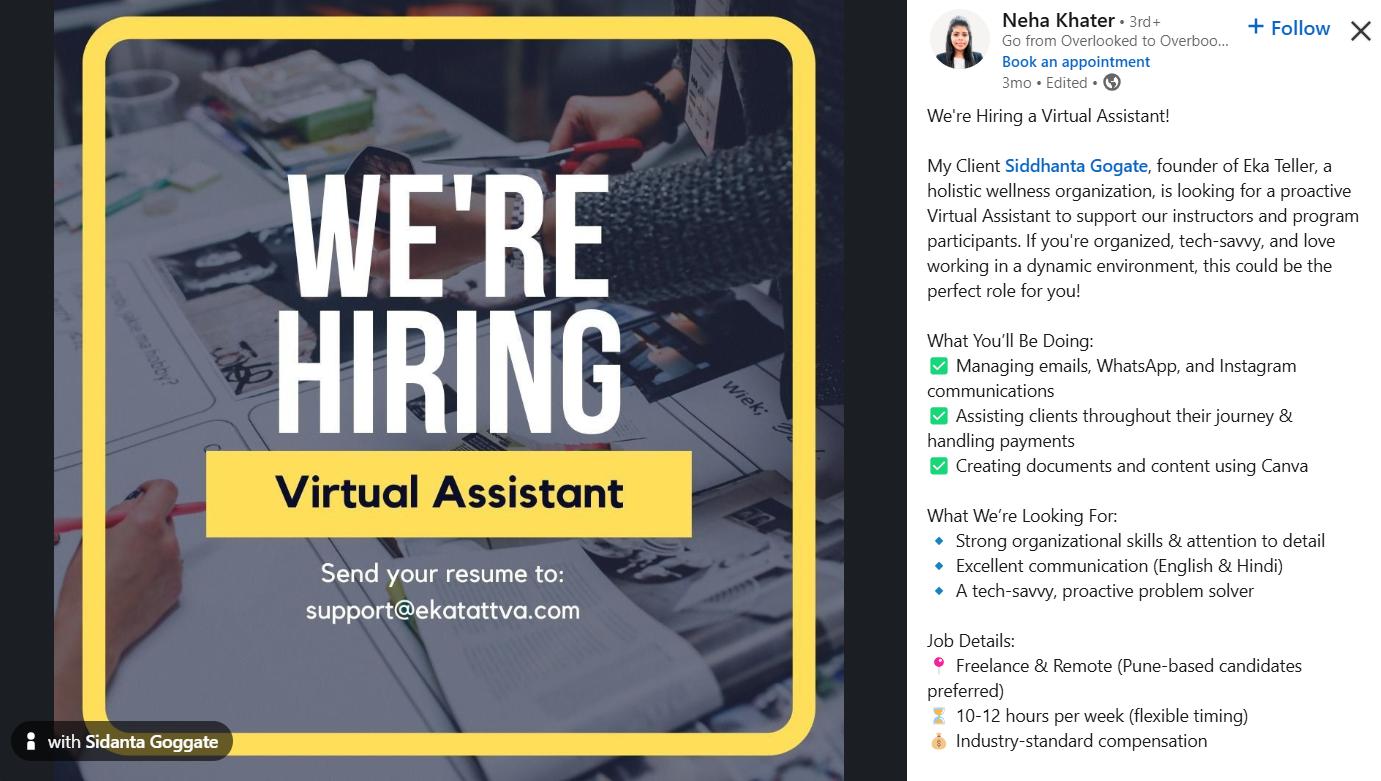
Let’s say you’re planning to expand your SMM team and hire a virtual assistant. You’ll definitely be luckier in the job candidate search with the “We’re hiring” kind of post like this on LinkedIn rather than X or Threads.
Ad Potential
Threads
At the beginning of 2025, Meta merely dipped its toes into Threads advertising. They launched “a limited, early test of ads in Threads with a small number of advertisers.”
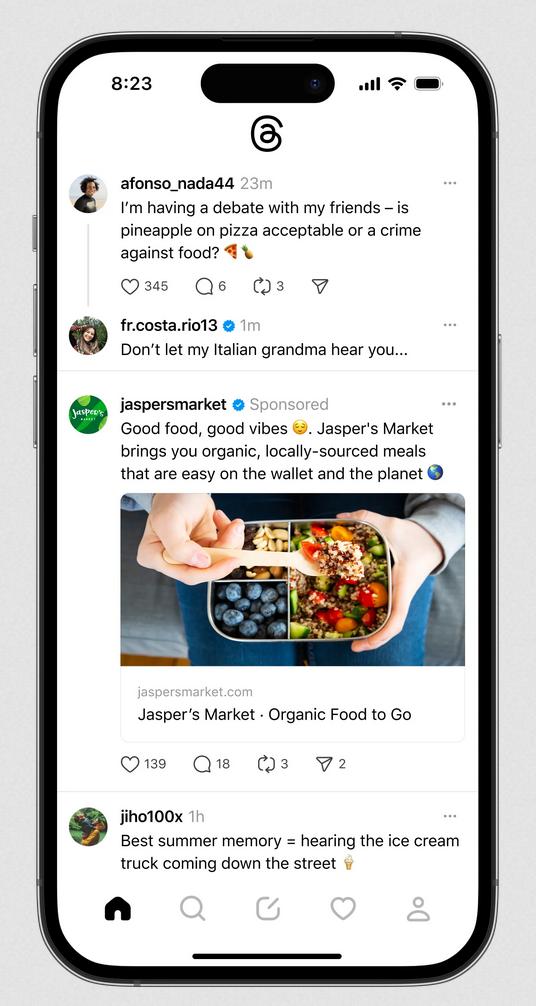
Although Threads can’t yet boast any visible ad revenues, analysts predict those to reach $8 billion annually already by the end of this year. So, stay tuned and boost your ad effectiveness with Threads advertising once it’s rolled out.
X/Twitter
There have been huge, turbulent drops in annual ad revenues on X since Elon Musk’s takeover. But even despite this, advertisers continue to invest in Twitter ads, with projections indicating a 17.5% growth in profit numbers by 2025, the first such increase since 2022.
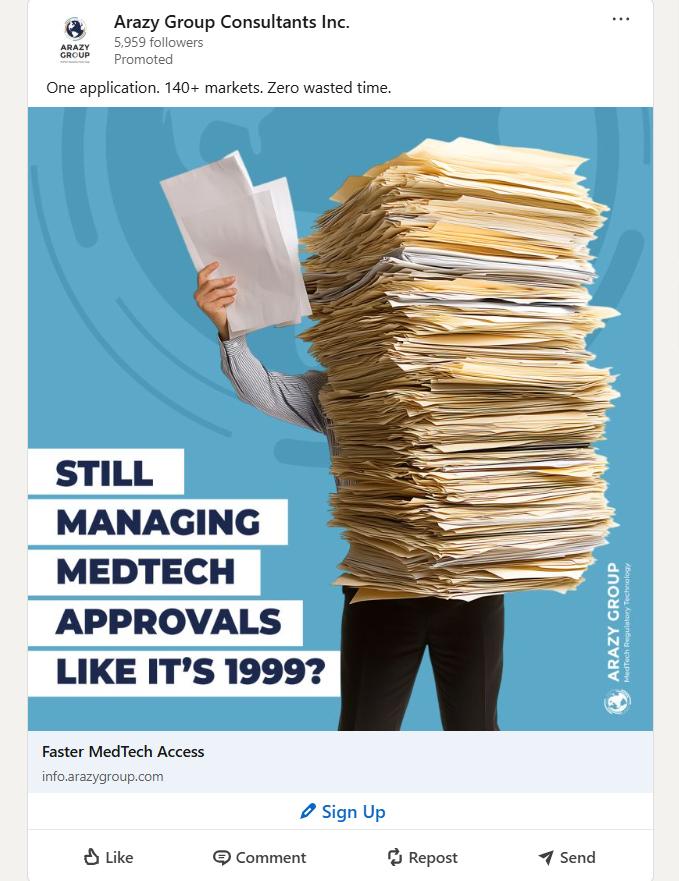
For today, LinkedIn is perhaps the most stable place to advertise products and services when compared to Threads and X. Its advertising revenue reached nearly $7 billion in 2024 and continues to increase steadily.
Yet, again, you should mind that companies use LinkedIn ads mostly for B2B rather than B2C.
How to Approach Different Social Media Strategies on Threads vs. X vs. LinkedIn
The Specifics of Influencer Partnerships on Threads vs. X vs. LinkedIn
As a goldmine of followers and customers, influencer marketing works a tiny bit differently on each social platform.
Threads
In fact, 54% of influencers have already partnered with brands on Threads.
The major peculiarity?
The influencer’s post on Threads is, more often than not, an auto-shared image or reel from Instagram.

X/Twitter
X is not that popular among companies for influencer campaigns. Only 5.5% of marketers use the platform for this purpose.
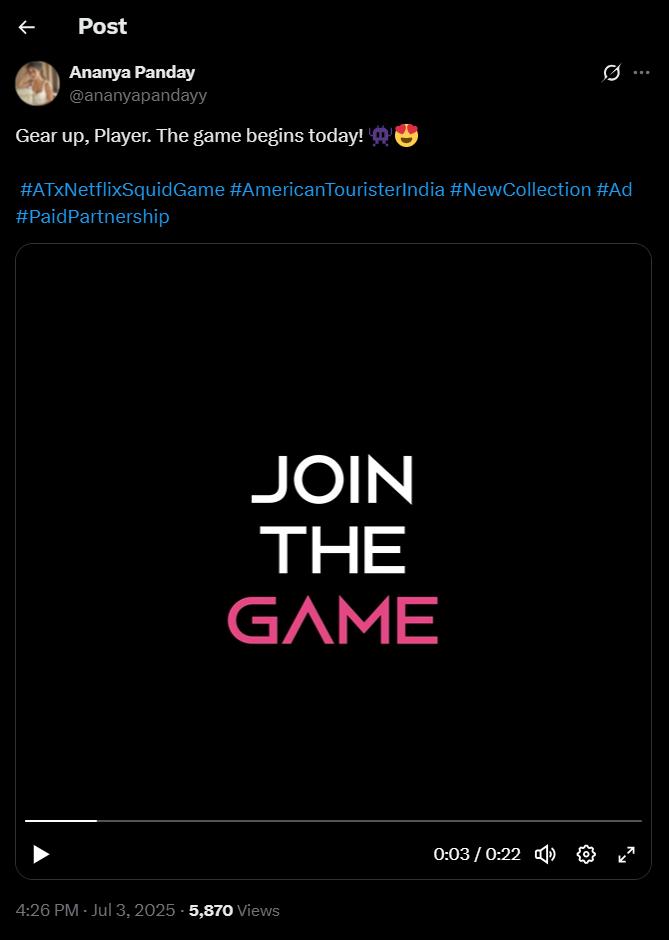
Yet, when they do, influencers’ content typically promotes events or product releases.
For example:
Take a glimpse of this influencer-generated video just in time for the Squid Game release.
Even though there’s no specific percentage of companies partnering with influencers on the platform, you can notice their influencer marketing efforts. The influencer-driven wave is gaining its ultimate height in the LinkedIn B2B Marketing Ocean particularly.
For example:
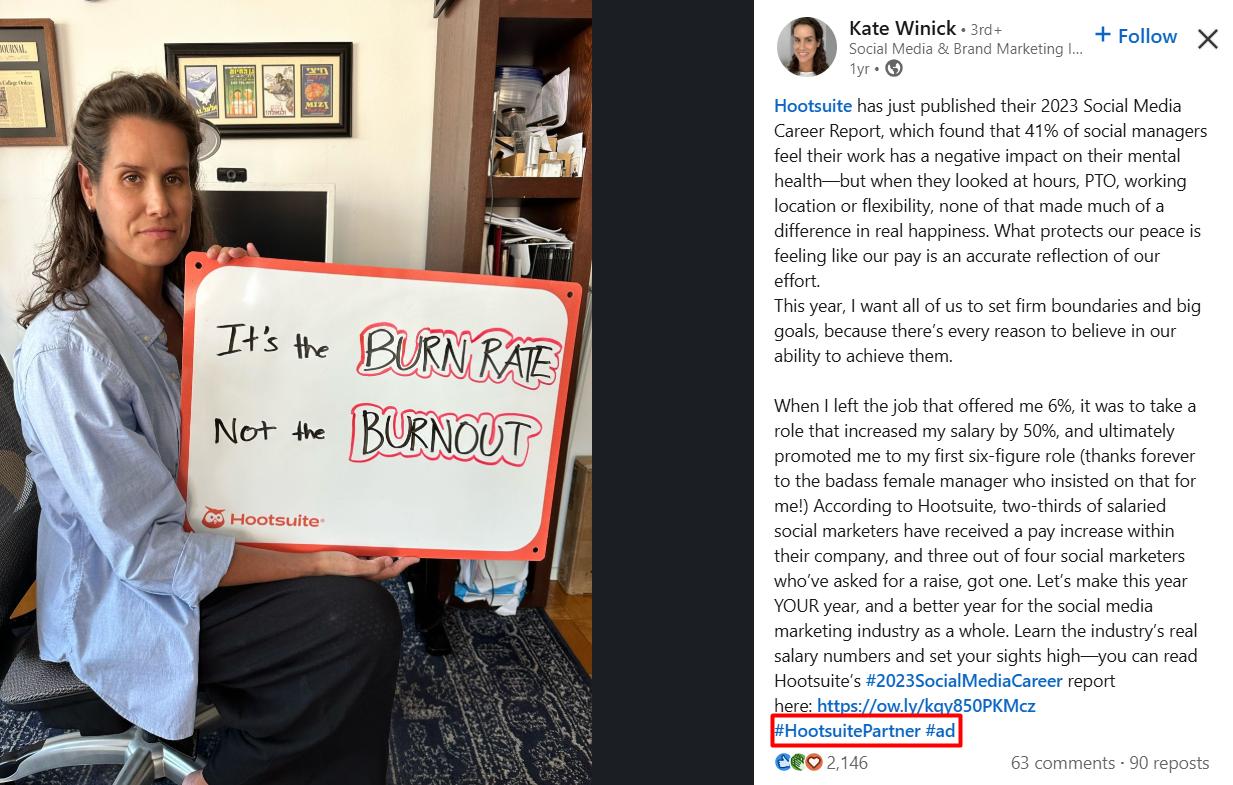
The Hootsuite team caught it with social media marketer Kate Winick.
Universal tip:
When you collaborate with influencers on any of those social channels, strictly outline the terms and conditions. Use contract management software to make sure they do things by the book, from the post count to disclosure, with the hashtags as follows:
- #PaidPartnership
- #Ad
- #SponsoredPost
- #[Brand]Partner, etc.
The Specifics of Using Humor on Threads vs. X vs. LinkedIn
Humor is a universal marketing language. Let alone that nine in ten (!) customers expect brands to be funny. So, it’s certainly worth your time on Threads, X, and LinkedIn. But let’s review the peculiarities.
Threads
Meme-ish content prevails on Threads.
For example:
Check out this meme from Chipotle dedicated to Halloween.

X/Twitter
Here’s what usually leaves audiences in stitches on X:
- Punchy one-liners
- Meme replies
- Sarcastic comments
- Friendly mockery, often directed at competitors
- Time-bound humor (e.g., about Monday morning blues)
For example:
See how Ryanair mocked the customer with the slight “Breaking news” punch.

And here’s what provokes a laughter outbreak on LinkedIn:
- Mild self-deprecating humor
- Office memes
- “Oops” workplace moments
- Hilarious situations with lessons learned
- “Fake-serious” pro tips
For example:
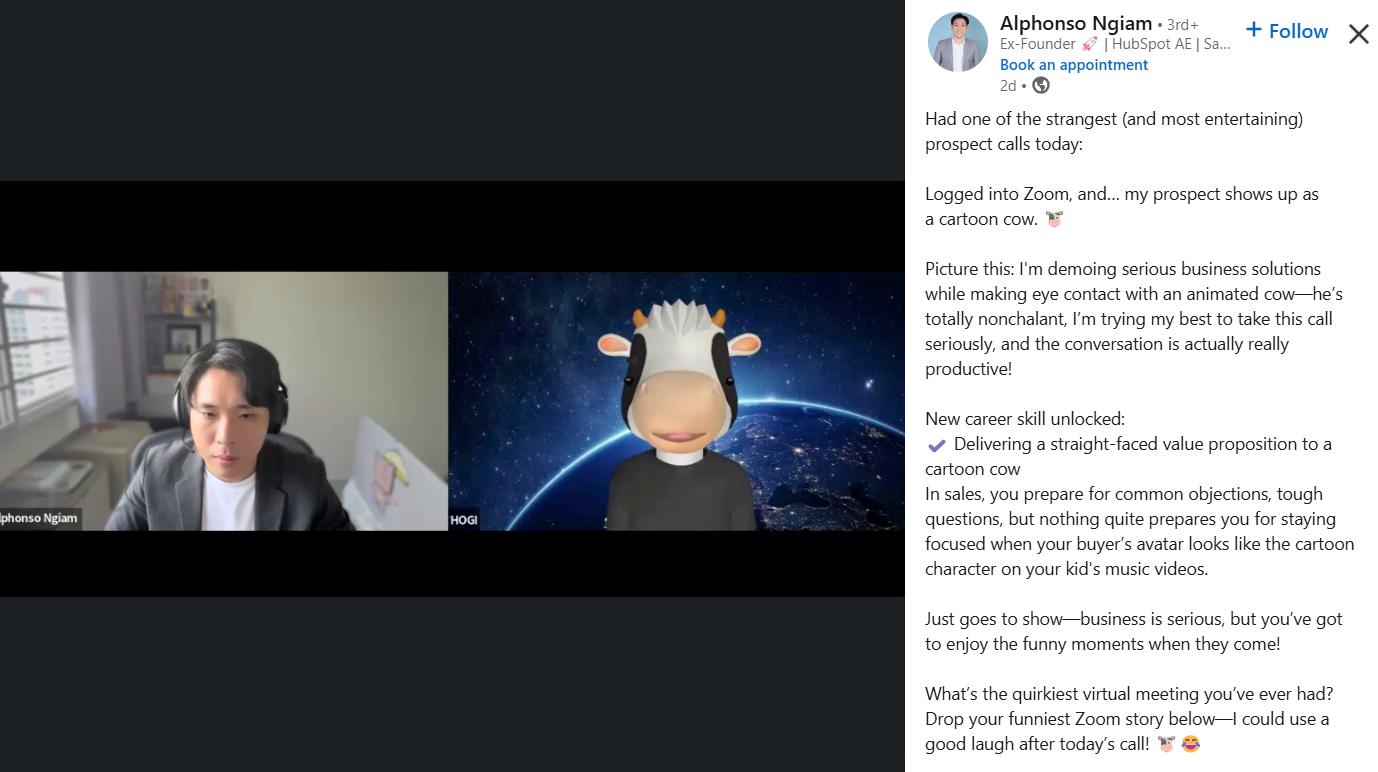
HubSpot’s CRM specialist shares how he unlocked a “new career skill” amid the funniest-ever Zoom call with a prospect as a cartoon cow.
Universal tip:
Always read the room (your target audience on the platform), and don’t risk your reputation with dark comedy or inappropriate humor.
The Specifics of Competitor Analysis on Threads vs. X vs. LinkedIn
Without exaggeration, tracking competitors is worth every tick of the clock, whether on Threads, X, or LinkedIn. Monitoring the development of competitors’ strategies is crucial for staying ahead. Leveraging advanced technology, such as AI-powered analytics tools, can further enhance your competitor analysis. But let’s examine the process differences.
A universal tip: Always review privacy policies and data collection practices, as they can vary across platforms and are often presented differently on Android devices. Keep in mind that these privacy policies are typically written by developers and may not always accurately reflect actual data usage.
Threads
Unfortunately, there’s no built-in analytics suite on Threads. However, you can go to the search bar or browse competitors’ content by tags (take fitness, for instance: https://www.threads.com/tag/fitness).

X/Twitter
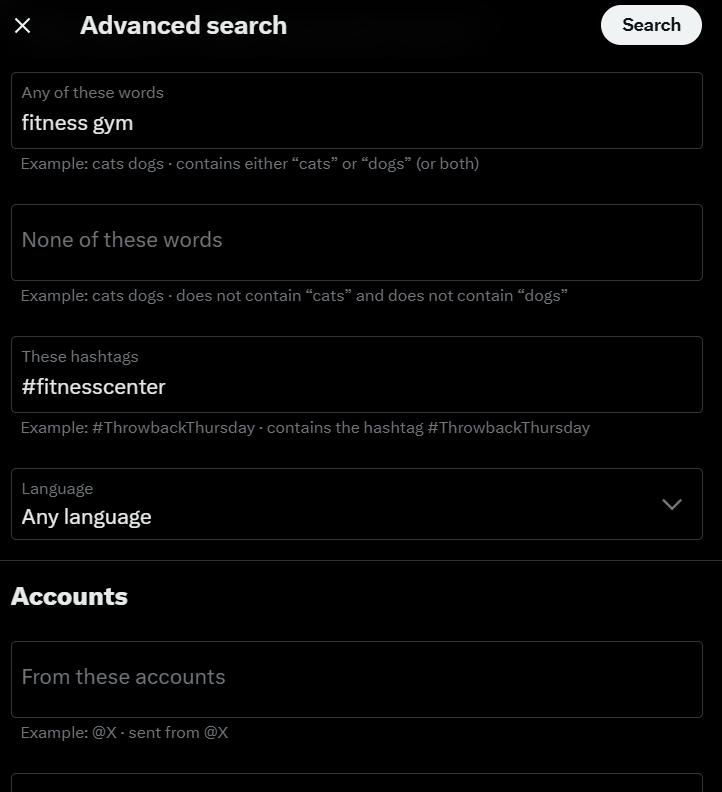
In contrast, X offers an Advanced Search ingrained into the platform. So, you can browse competitor accounts and filter them by:
- Exact match keywords
- Hashtags
- Number of replies, likes, or reposts
- Languages
- And more!
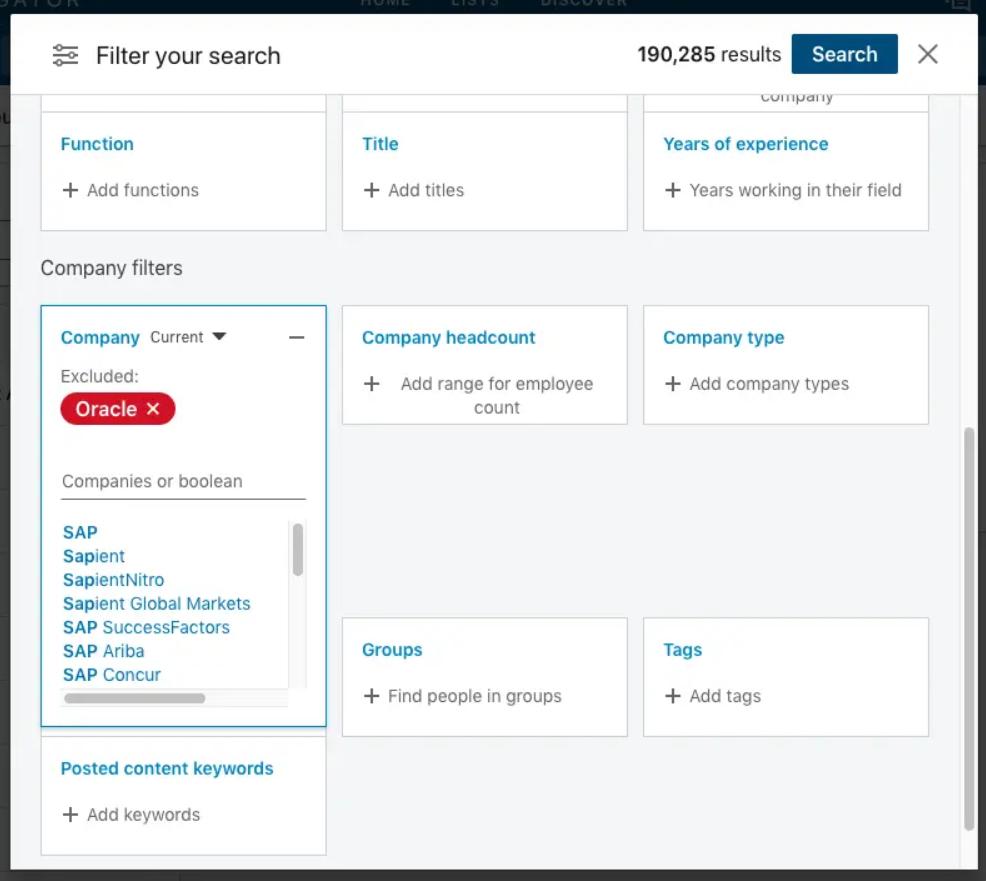
You may start with corporate profile browsing (manually and for free) for competitive research on LinkedIn. But you should also consider using LinkedIn Sales Navigator (paid but absolutely worth your time and money!), one of the best LinkedIn marketing tools with advanced search filters.
Universal tip:
If you prioritize social media SEO with keywords, you can opt for a keyword research tool by SemRush or Ahrefs to keep tabs on your competitors’ strategic choices. For an all-embracing approach, use tools with competitor analysis features, such as Sotrender, Sprout Social, EmbedSocial, etc.
On the Final Note…
Ask yourself: Where does my target audience hang out more often? What content do they expect from me? What are my competitors doing there? And so on.
And here’s one last (but not the least!) tip. Watch your competitors’ best moves across social media with the benchmarking feature at Sotrender and prepare yours on Threads, X, LinkedIn, or any other social channel.
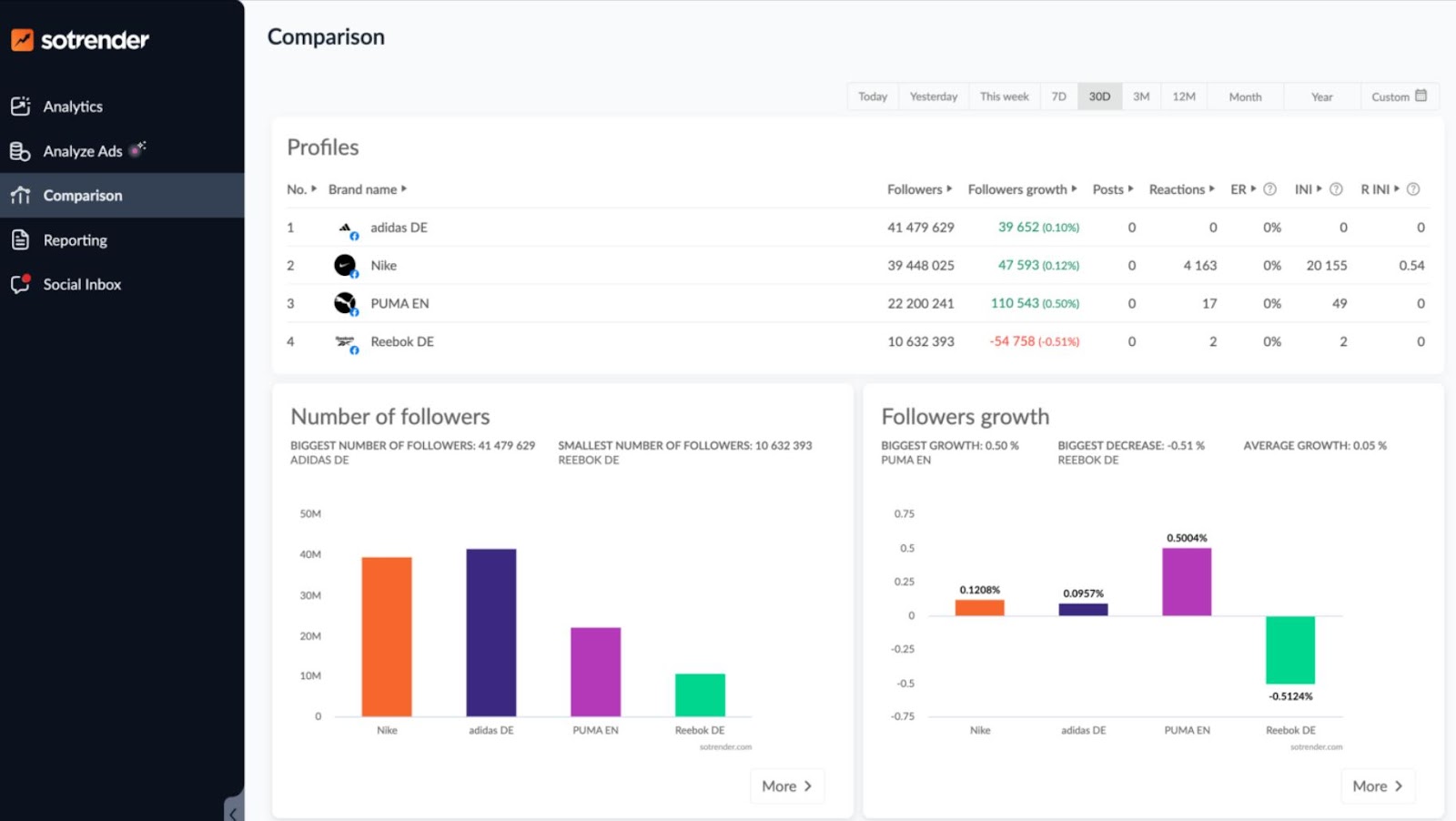
Just remember: Every platform dances to its own algorithm and rhythm. Your task is to resonate with it. Take your steps wisely and save time with Sotrender’s analytical tool—give it a try!