


Social media has become one of the first places people encounter an eCommerce brand. Long before they visit your website or make a purchase, they may come across a Reel or TikTok, a customer review, or a founder video. These interactions shape how people perceive your brand and whether they remember it later.
Because of this, social media has become far more than a promotional channel. It is where brands develop a personality, build familiarity, and create connections with their audience over time.
The most recognizable eCommerce brands use social media to showcase products, communicate what they stand for, share what sets them apart, and explain why their customers should care.
It may be overwhelming to build a recognizable brand identity, but we’ve got you.
How Social Media and User-Generated Content Help eCommerce Brands Create Stronger Brand Identity
Here are the key ways social media helps eCommerce brands build a recognizable and consistent brand identity.
1. Create instantly recognizable visual language
When customers scroll through social media, they make split-second decisions about whether a brand feels familiar, trustworthy, or worth paying attention to. A strong visual identity helps you stand out in feeds and become recognizable even before someone notices the logo or account name. Since these visual cues create familiarity, it’s easier for customers to remember the brand and associate it with a specific style or experience.
This consistency should extend beyond social media posts and into every customer touchpoint, including products, packaging, and promotional materials. So,
- Establish a consistent color palette, typography style, and visual aesthetic across social platforms
- Create recognizable product photography that follows a similar composition, editing style, or backdrop
- Older or low-resolution shots can be unblurred to keep the overall quality consistent
- Treat packaging as an extension of your social presence by designing unboxing experiences that customers want to share online
For example, Rhode maintains a highly consistent visual identity across its social channels, from its neutral color palette and clean product photography to its glossy, skin-focused imagery.
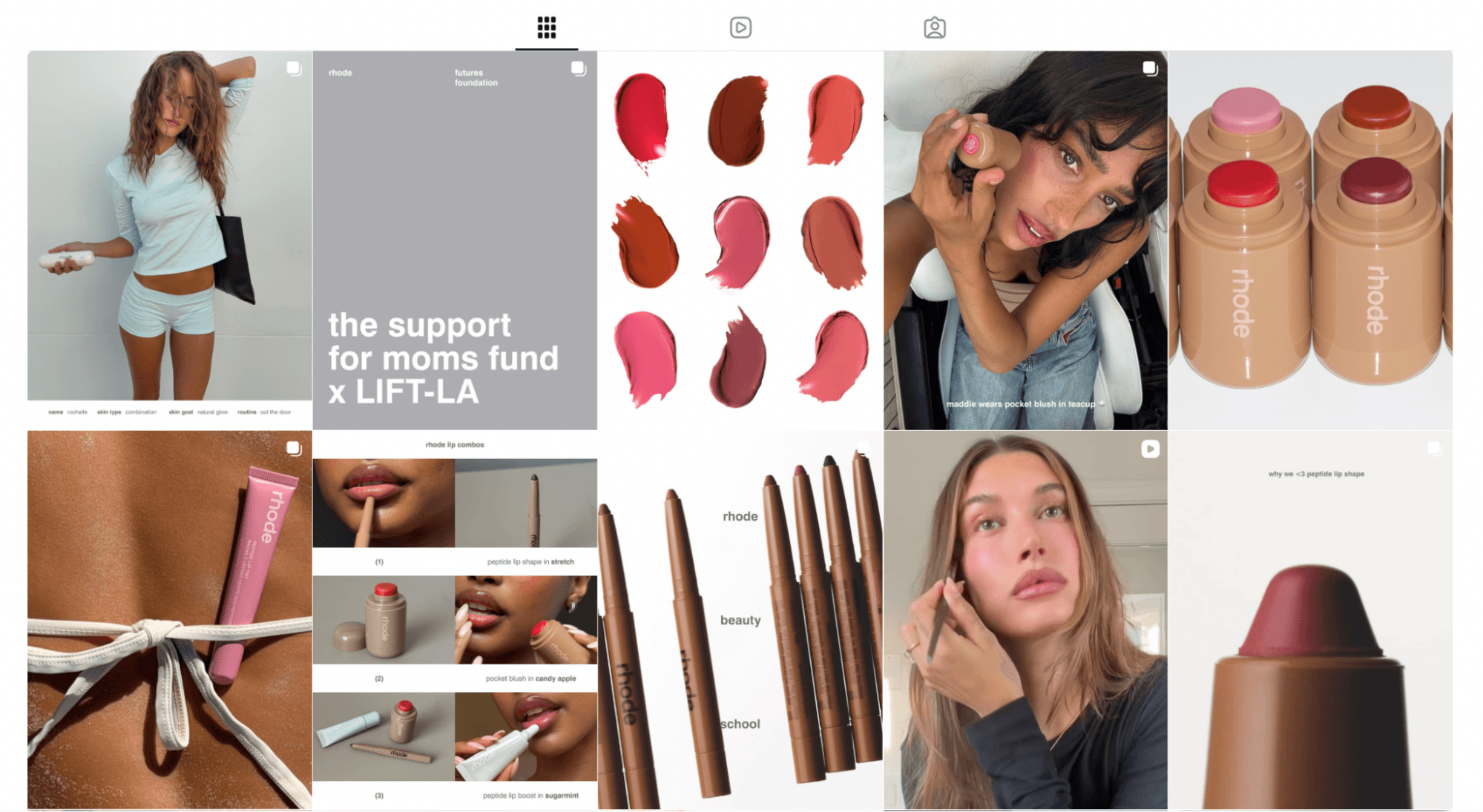
The brand’s content, packaging, and user-generated posts (including their website) all feel connected and create a cohesive aesthetic that customers can recognize instantly. This consistency has helped them build a strong brand recall despite entering a fairly saturated skincare market… And that’s saying something, considering how crowded the celebrity skincare space has become since they see it as a lucrative business idea.

Carry your visual identity onto physical products
You can use Shopify print-on-demand services like Printful & Printify to put your branding on custom T-shirts, totes, hoodies, and hats that reinforce your visual identity across events, creator partnerships, and customer giveaways.
Print-on-demand is what makes branded merch realistic for most eCommerce brands. You don’t have to commit to a thousand units of a design before you know it lands. You upload your artwork, list the products, and items get printed and shipped only once someone orders.
A small store can carry the same palette, logo, and typography from its Instagram grid straight onto physical products, with no warehouse and no cash tied up in stock that might not move. It turns your visual identity into something customers can wear and carry, which keeps the brand in front of people long after they close the app.
- Monitor your KPIs
- Track competitors' results
- Test for free for 7 days

2. Turn products into personalities
Many eCommerce brands sell similar products, which makes differentiation difficult.
This is even more true for stores built on shared supplier catalogs. If you’re running a Shopify dropshipping store, there’s a good chance several other shops are listing the exact product you are, sometimes with identical photos. When the product itself isn’t unique, branding becomes the one thing that’s actually yours.
Take the Stanley tumbler and one of its dupes – Simple Modern’s Trek Tumbler, as an example.
One way to stand out is to give products a personality that extends beyond their features or use cases. When products feel distinctive, relatable, or memorable, customers are likely to engage with content, remember the brand, and maybe even share it with others.
Social media can play a big role here.
You can create recurring content formats, establish recognizable themes, and develop a consistent voice that audiences come to expect. Whether that voice is playful, witty, bold, or educational, consistency will gradually build familiarity. For this, you don’t need to chase every trend. Participate authentically, if you must.
Another effective approach is to treat products as characters rather than objects. Instead of simply demonstrating what a product does, brands can build stories, jokes, and content around it. This approach is widely used in AI video influencer marketing to create more engaging brand personalities and audience connections. eCommerce teams can easily experiment with these formats using an Instagram reels maker to quickly iterate on video styles and track which character-driven angles capture the most organic engagement. This makes products easier to remember and gives audiences a reason to keep engaging even when they are not actively shopping.
Scrub Daddy is a great example.

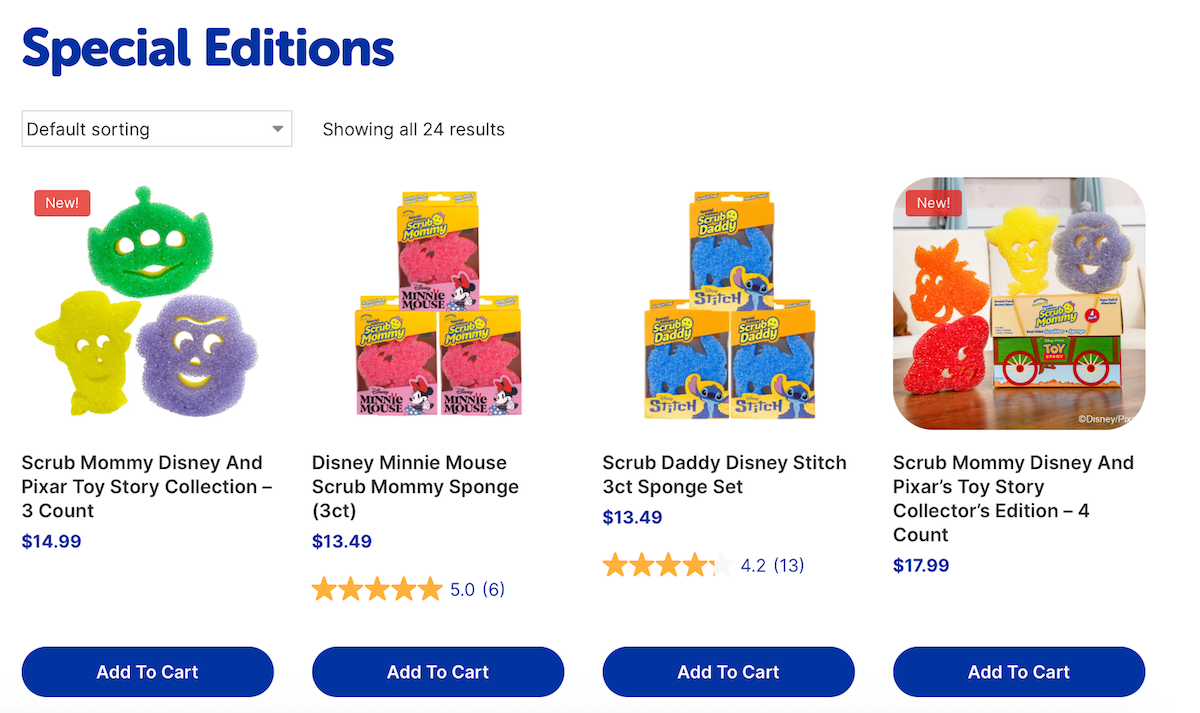
Its bright yellow smiley-face sponge is instantly recognizable and naturally lends itself to social content. The brand reinforces this identity through playful videos, humorous posts, and themed product launches.
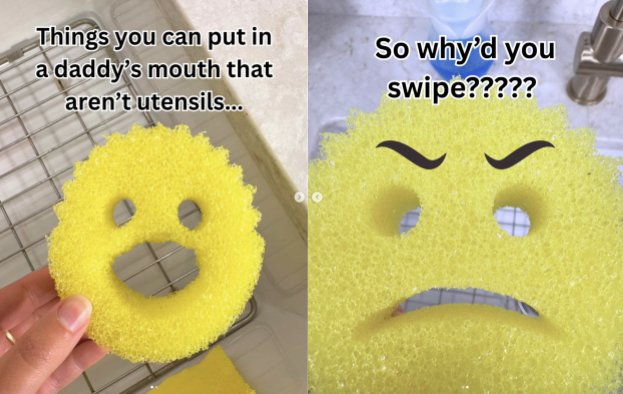
Its special-edition collaborations and seasonal variations keep the product fresh while maintaining the distinctive look customers already associate with the brand. As a result, the product itself has become one of the brand’s strongest marketing assets.
3. Build communities around shared identity
People enjoy feeling part of a community. Whether it’s fitness enthusiasts sharing workout milestones or readers discussing their favorite books, social media gives brands an opportunity to bring like-minded people together.
When your customers feel like they’re part of something bigger than a transaction, Engagement Rate spikes, advocacy increases, and clients stick around for the long term. Social media makes this easier by giving brands a direct way to interact with their audience and encourage participation.
Build that sense of community by:
- Encouraging customers to share experiences
- Featuring user-generated content (UGC) regularly
- Creating branded hashtags and challenges
- Responding to comments and conversations
- Launching community-focused campaigns
- Offering limited editions
- Celebrating customer milestones and stories
Gymshark built an 8.4+ million Instagram community mimicking this. Rather than focusing exclusively on products, the brand has built a community around fitness, self-improvement, and shared goals. Its social channels regularly spotlight customers, athletes, and creators, making followers feel like active participants rather than passive buyers.
This sense of belonging extends beyond content. They strengthen community ties through collaborations and products designed specifically for their audience. They recently announced their Gymshark x Bratz collaboration that drew more eyeballs than their posts usually get.
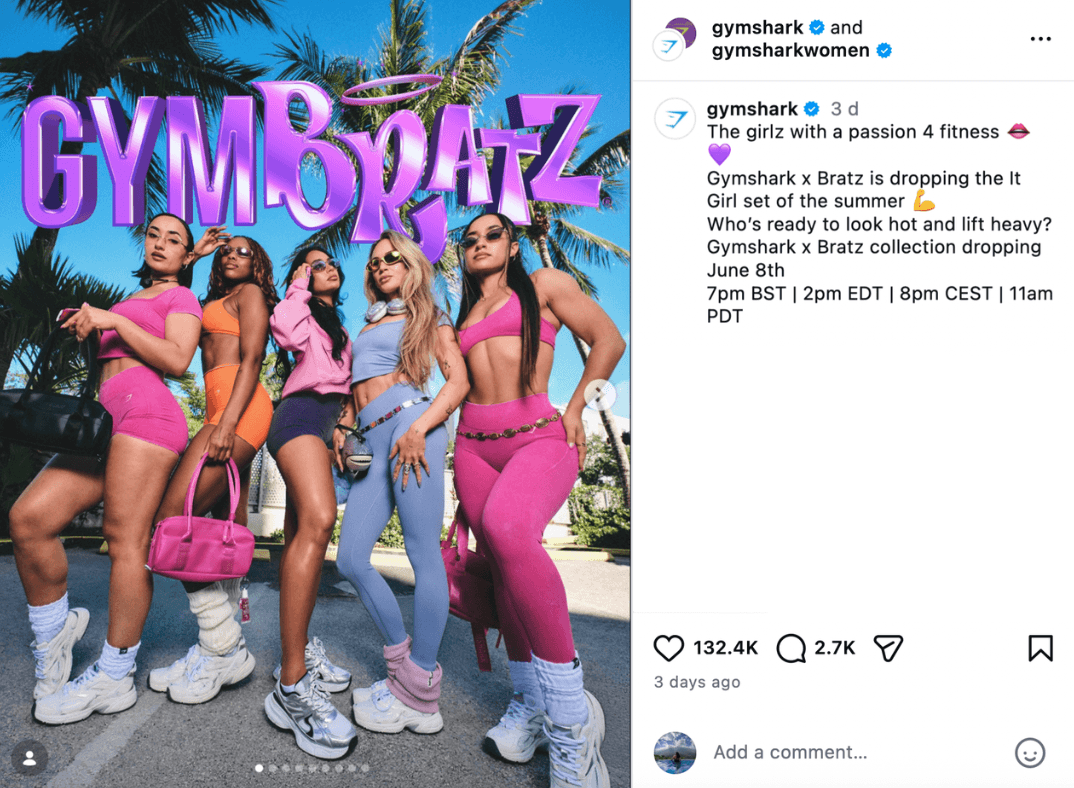
Similarly, you could also launch a line of community-led apparel to strengthen follower loyalty and make them feel seen.
4. Make founders part of the brand story
Given the era we’re in, people are more curious about the faces behind the brands they support. Social media gives founders a chance to share their journey, discuss their decisions, and offer a glimpse into the work that goes on behind the scenes. These moments help audiences understand the people and motivations driving the business.
Founder-led content can take different forms, like:
- Sharing lessons learned while building the brand
- Documenting product development and decision-making
- Giving audiences a look behind the curtain
- Speaking directly to customers through videos and updates
Chamberlain Coffee shows how powerful this approach can be. Founder and creator Emma Chamberlain regularly incorporates the brand into her content and uses her audience of more than 14 million Instagram followers to keep it top of mind.

Her involvement goes beyond occasional product promotions and sporadic posts on the Chamberlain Coffee page.
Emma recently interviewed Hailey Bieber on the Met Gala red carpet for Vogue, during which Emma mentioned her brand. Interestingly, Hailey was the one to naturally mention Chamberlain Coffee while chatting on camera. What’s more, it has since attracted over 7 million views.

Moments like these help the brand feel like an authentic extension of the founder rather than a separate business venture, strengthening recognition and familiarity among existing and potential customers alike.
5. Use trends without losing brand voice
Trending sounds, memes, and challenges can help brands reach new audiences, but participating in every social media trend can make your content feel forced and inconsistent (if not done well).
It becomes harder for customers to understand what your brand represents when every post follows a different direction.
The key is to be selective. Instead of jumping on every viral moment, focus on trends that align with your audience, products, and brand personality. This helps you stay relevant while maintaining a recognizable identity across your social channels.
CASETiFY follows this approach. They regularly collaborate with celebrities, creators, and popular franchises, giving them ample opportunities to join trending conversations.
Despite the variety of partnerships, the content consistently revolves around self-expression, customization, and personal style.
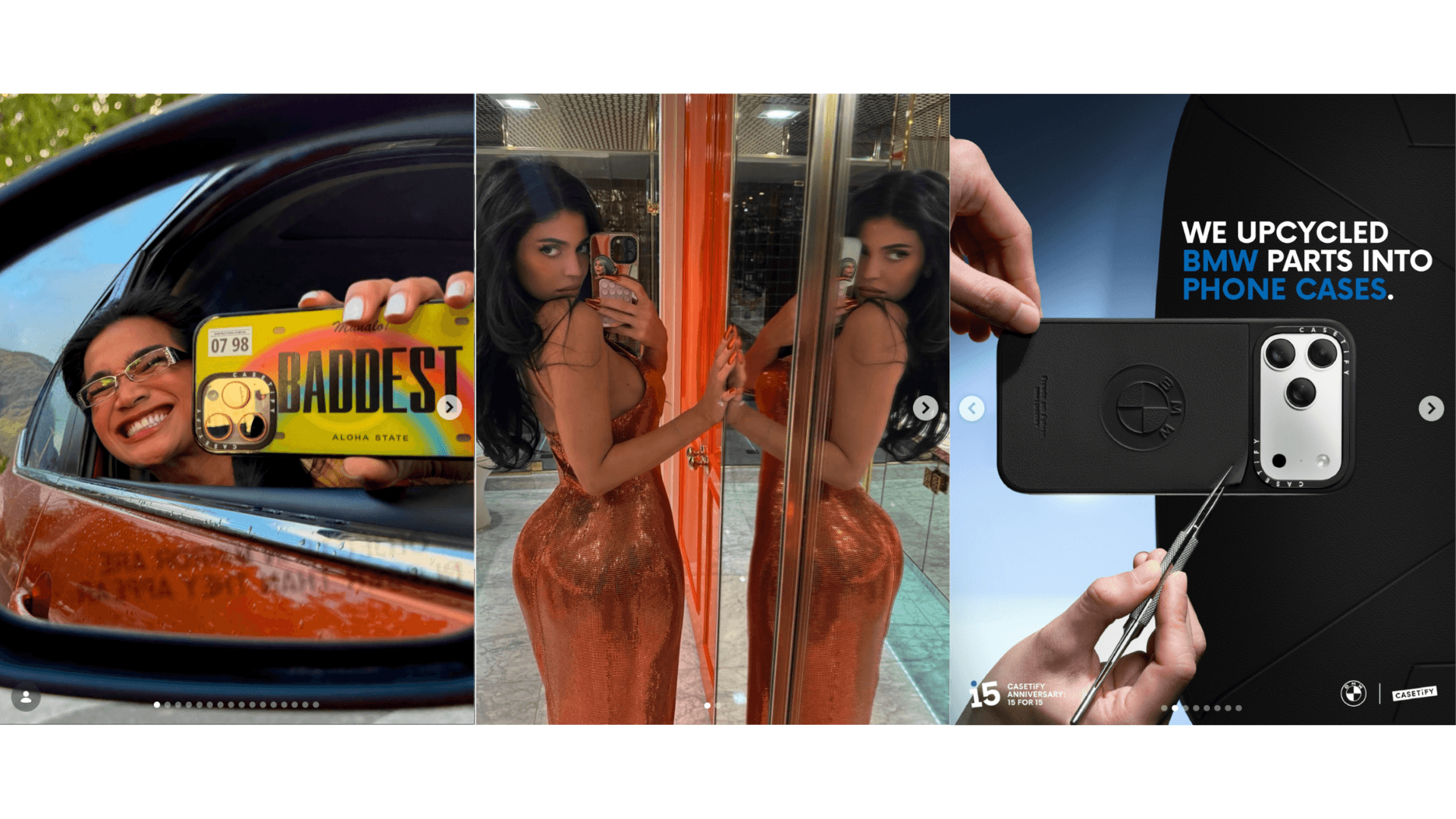
Whether the collaboration features YouTubers like Bretman Rock, socialites like Kylie Jenner, or global brands like BMW, the content still feels unmistakably CASETiFY. This consistency helps the brand stay culturally relevant without losing its identity in the process.
6. Let customers shape brand perception
What a brand says about itself matters.
Even more importantly, what customers say about it often carries even more weight.
Social media provides a platform for people to share reviews, product experiences, styling ideas, unboxing videos, and recommendations, creating a steady stream of content that influences potential buyers.
Featuring UGC can help eCommerce brands build credibility while giving customers a sense of ownership in the community. It also provides social proof, showing prospective buyers how real people use and enjoy the product.
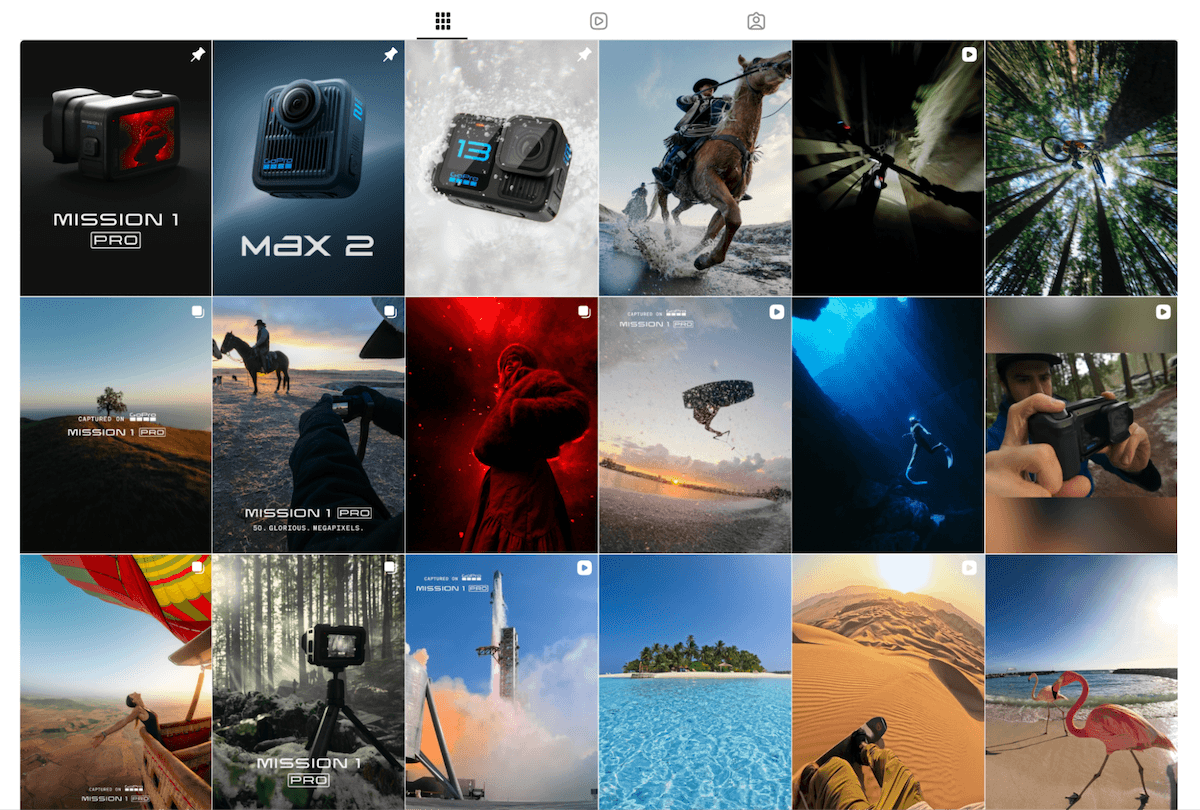
No one does this better than GoPro. They’ve built much of their social presence around customer content. Instead of relying solely on branded campaigns, they regularly showcase videos and photos captured by users around the globe. This approach allows customers to play an active role in shaping how the brand is perceived online. Plus, it serves as strong social proof for the brand, given that it has over 20 million followers on Instagram.
7. Create emotional associations beyond products
Customers will always remember how a brand made them feel, the lifestyle it represents, or the values and interests they associate with it. Social media offers an opportunity to create emotional connections through storytelling, partnerships, customer experiences, and content that reflects your audience’s aspirations.
When you do this well, customers begin associating you with a particular identity or moment in their lives. This makes the brand more memorable and easier to recall when they’re ready to make a purchase.
Nike is a classic example. Their social media content rarely focuses on shoes alone. Quite the opposite, in fact. It centers on ambition, perseverance, achievement, and personal growth, which creates an emotional connection that extends far beyond the product itself.
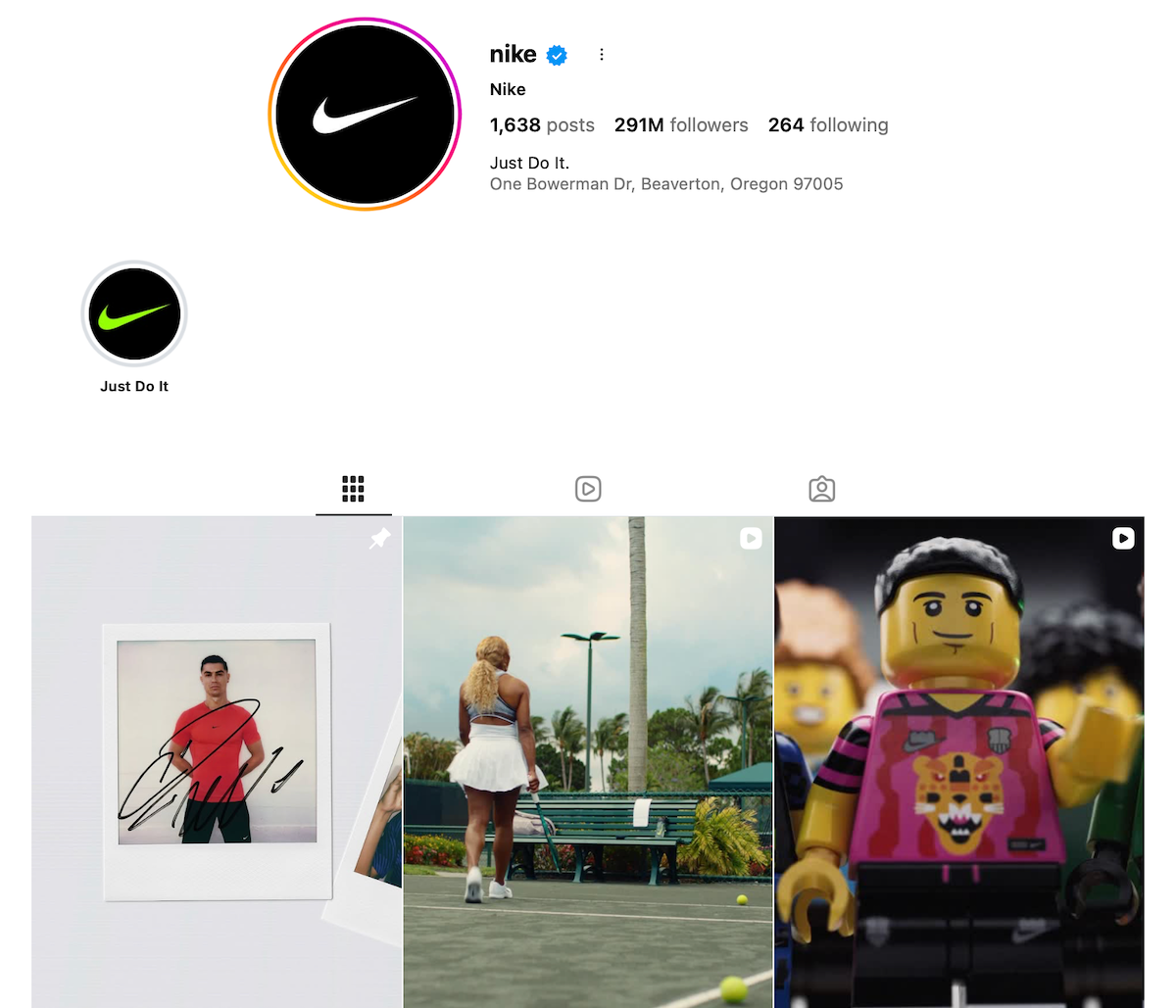
This emotional association has helped them garner 291 million followers on their primary Nike account and a few million across country-specific pages. But it’s not all about social media numbers. Nike has the highest market share among global apparel brands, too.

Conclusion
Customers encounter hundreds of brands across the broader category of online shopping every day. In social commerce, discovery and purchase happen inside feeds, while traditional eCommerce usually sends shoppers to a dedicated eCommerce store or eCommerce platform. The ones that stick tend to have something people can recognize instantly. It could be because of their distinctive visual style, a memorable founder, an engaged community, or a consistent personality across posts.
Social media creates countless opportunities to reinforce these elements across social media channels, while also supporting product discovery, customer engagement, and direct sales. Every Reel, customer feature, product launch, collaboration, and BTS update contributes to how people remember your brand, and video content matters here because short-form videos now account for over 42% of social market share in sales. Embedding product tags in organic posts streamlines the entire customer journey and supports direct links to an online store or eCommerce store. Social commerce shortens the buying process by allowing users to discover and purchase products inside social media platforms through in app checkout or other in-app transactions. It also lets customers checkout without leaving the social app, creating a seamless shopping experience.
While there isn’t a single formula for building a strong brand identity, consistency can make a world of difference. Brands should track key metrics such as click-through rates, since advanced algorithms enable segmentation in targeted advertising and cross-platform retargeting based on user behavior. In practice, eCommerce social media and social media marketing work best as complements to broader eCommerce strategies, not replacements, and 25% of shoppers already buy directly from social media platforms, strengthening both social commerce efforts and eCommerce presence. The more recognizable your brand becomes, the easier it is for customers to recall, trust, and choose it when they’re ready to buy, building stronger customer relationships and more repeat purchases.