


A lot of social teams have learned how to make dashboards look healthy without learning how to make audiences feel anything. That’s where the trouble starts. The likes come in, the views look decent, the comments don’t look embarrassing, and everyone relaxes. Meanwhile, the audience is scrolling past with the same emotional commitment they’d give a weather update or a supermarket flyer.
That gap matters more than brands want to admit. Engagement rate can tell you something useful, but it can also flatter you with social analytics at exactly the wrong moment. People can interact with content without caring about it, remembering it, or wanting more of it. And once a team starts mistaking familiar motion for real interest, it usually ends up feeding an audience that’s active on paper and checked out in practice.
Engagement can stay healthy long after curiosity dies
One of the weirdest things about social media metrics is how easily they can create a false sense of momentum. A post gets reactions, a few people drop quick comments, someone shares it to a group chat, and suddenly it looks like proof that the content truly is engaging. But a lot of that interaction is frictionless. It doesn’t ask much from the audience, and it doesn’t reveal much about what they actually felt.
That’s especially true on platforms where tapping a reaction has become muscle memory. People like posts because they recognize the format. They comment because the prompt is easy. They share because the topic fits their online persona. None of that automatically means the message mattered. Sometimes it just means the audience has learned the choreography and knows exactly how to participate without investing much attention.
Brands get into trouble when they treat those lightweight signals as evidence of a deeper connection. A post can rack up enough interaction to satisfy a monthly report while doing nothing for recall, trust, or preference. It can even train a team to keep repeating a formula that feels safe but leaves no real impression. That’s how a content calendar gets filled with posts that perform just well enough to survive and never well enough to mean anything.
- 7 days for free
- No credit card required
- Access to all premium features during trial
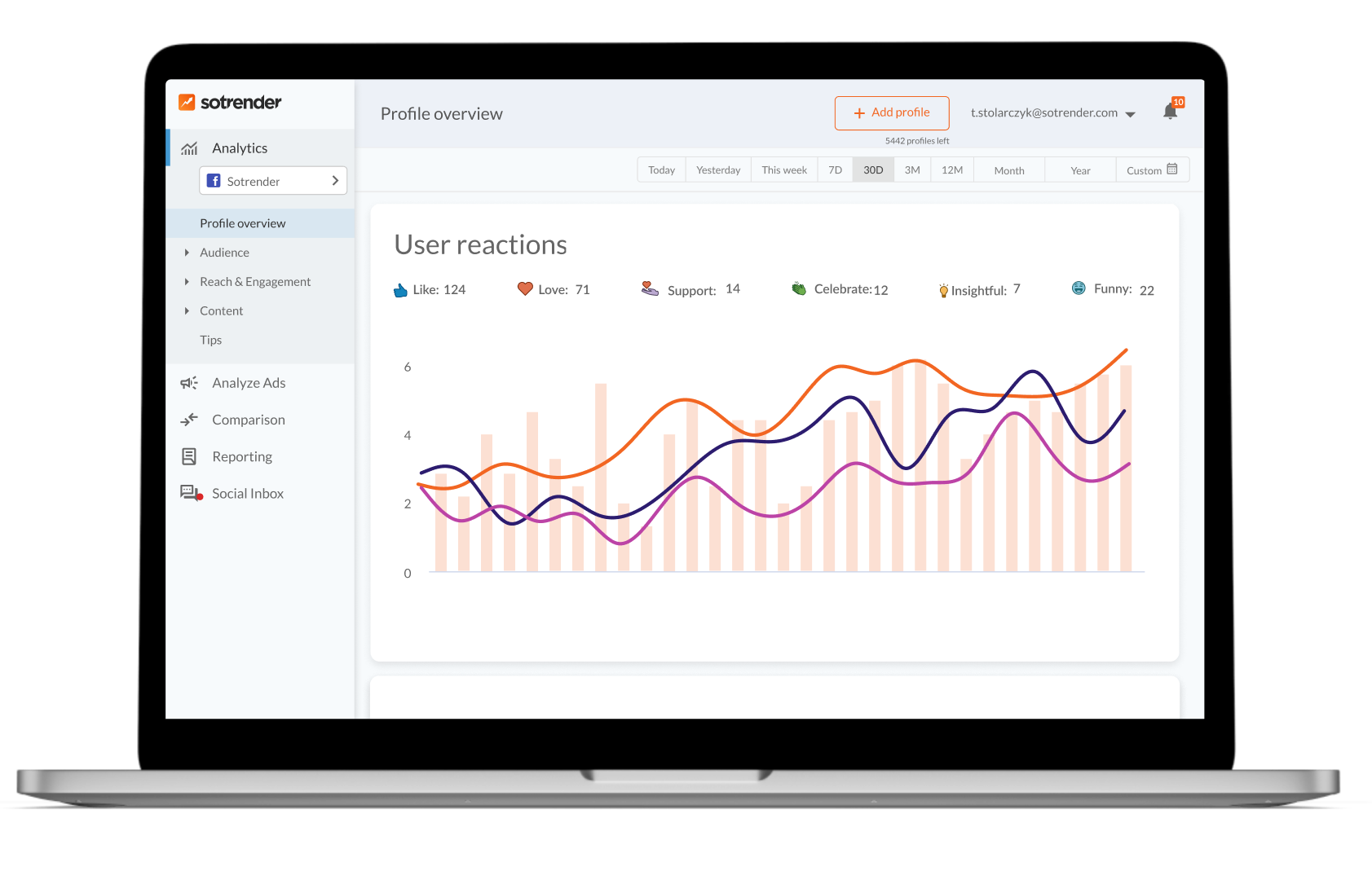
What to look at when engagement stops telling the full story
Once a team accepts that engagement rate has limits, the next question gets more interesting. What signals actually tell you whether people care? Not every useful metric is flashy, and not every strong post creates instant visible noise. Some of the most valuable responses are quieter, slower, and much more revealing.
That’s where social reporting gets sharper. Instead of treating every interaction like equal proof of interest, you start separating reflex from intent. A fast like matters less than a save with clear utility. A pile of shallow comments matters less than a smaller thread where people are actually adding something.
A few signals usually tell a better story than raw engagement rate ever could:
- Saves that suggest future value, especially on educational or reference-driven posts
- Comment depth, where people respond to the idea instead of dropping one-word reactions
- Repeat engagement from the same followers, which hints at growing familiarity and trust
- Profile visits or return visits, showing the post created enough curiosity to continue the journey
- Shares with context, where people pass content along because it says something worth carrying
- Stronger response patterns by topic, which reveal what your audience genuinely wants more of
None of these metrics should be worshipped in isolation either. They’re useful because they bring you closer to audience intent, not because they hand you another convenient shortcut. The goal is to stop asking whether people interacted and start asking why they bothered.
The real warning sign is shallow response, not low response
A bored audience doesn’t always go silent. Sometimes it stays noisy in the most unhelpful way possible. You’ll see comments, but they’re thin. You’ll see saves, but they don’t translate into return visits. You’ll see shares, but mostly because the post was broadly relatable, mildly funny, or designed to trigger a fast reaction. Volume stays visible while depth quietly disappears.
That’s why comment and follower counts on their own can be a trap. Ten comments that actually engage with the point of the post usually say more than a hundred one-word replies or recycled reactions. The same goes for likes versus saves. A like can happen in half a second and be forgotten just as fast. A save usually suggests future intent. It hints that something was useful, worth revisiting, or strong enough to interrupt the scroll with a small act of commitment.
The quality of interaction matters because it tells you whether people are responding to the content itself or just to the mechanics wrapped around it. Teams that only chase visible engagement often end up optimizing for easy triggers. They get better at prompting quick reactions and worse at creating content people genuinely want to come back to. Over time, that’s how an account can look alive while the brand behind it becomes strangely forgettable.
When content is built for response, it often stops saying anything
There’s a point where social strategy becomes less about communication and more about getting a measurable twitch from the audience. That’s when every caption starts sounding like bait, every visual starts looking over-optimized, and every post feels like it was built to produce a metric before it was built to express an idea. Before you know it, you start relying on AI ads and slowly lose touch with the human side. And trust me, audiences can feel that faster than most brands realize.
The problem isn’t that performance-minded content exists. The problem is that some teams let performance logic flatten everything. They remove texture, opinion, specificity, and surprise because those things feel harder to scale. What’s left is polished, efficient, and oddly lifeless. It gets enough engagement to justify itself, but not enough emotional traction to make anyone care who posted it.
That’s usually where brand voice starts slipping into generic internet voice. You can see it in the over-familiar hooks, the templated relatability, the safe jokes, the recycled insights that sound smart until you realize you’ve read the same post from five other brands that week. The audience may still respond because the format is recognizable and easy to process. But they’re not building attachment. They’re just participating in a content habit.
Better reporting starts when you ask harder questions
A healthier way to read engagement is to stop treating it like a verdict and start treating it like an opening clue. Instead of asking whether a post performed, ask what kind of response it produced and whether that response matches the brand’s real goal. Did people linger? Did they come back? Did the discussion show actual interest? Did the post create memory, usefulness, or preference, or did it simply trigger motion?
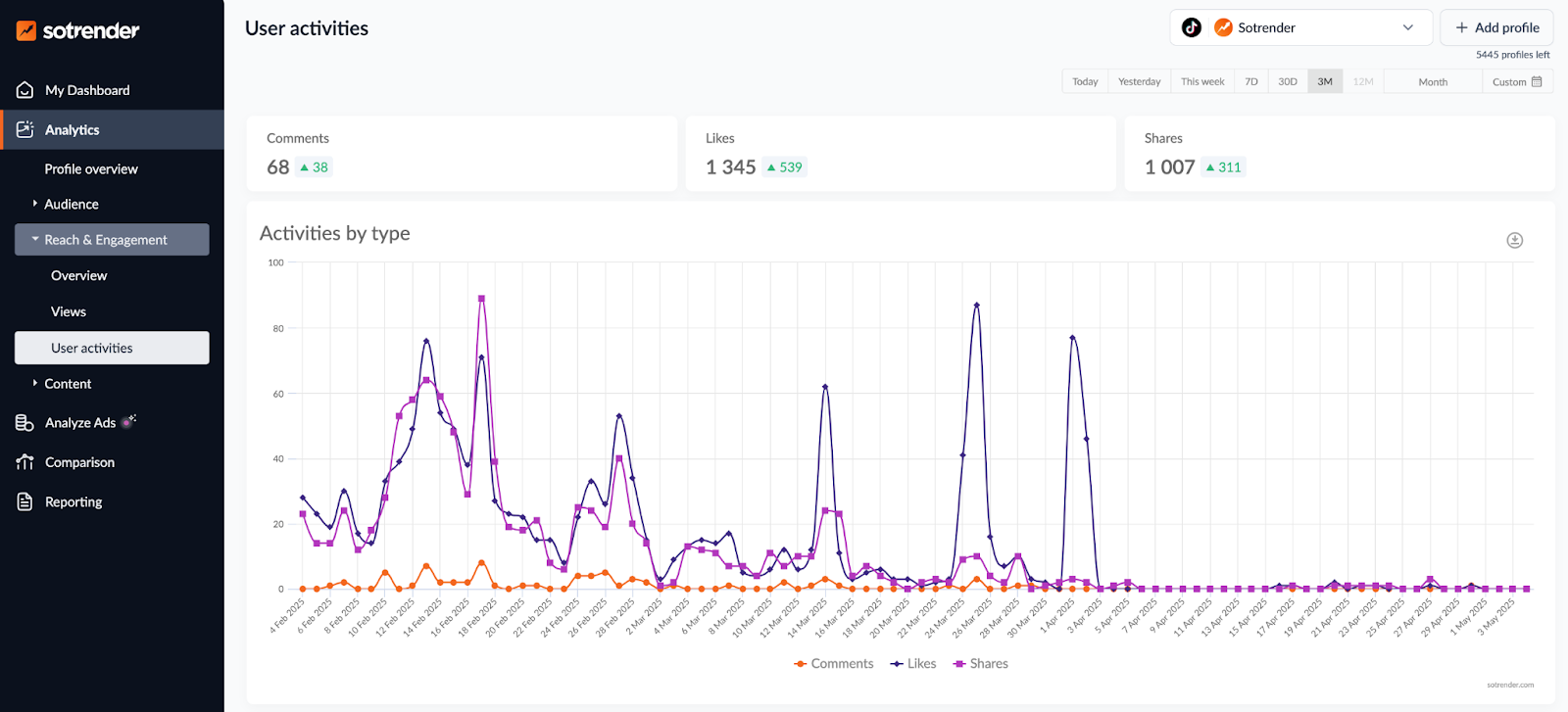
That shift changes reporting in a meaningful way. Suddenly, saves become more interesting in the right contexts. Comment substance matters more than comment totals. Repeat interaction from the same audience segment starts telling a more useful story than one-off spikes. You begin to notice which posts drive conversation with intent and which ones just generate activity, because even negative comments will be more thorough and honest.
It also helps teams get more honest about what “working” should mean. Some posts are great at expanding reach. Some are great at teaching. Some build familiarity. Some quietly reinforce trust. Not every piece needs to do everything, but each one should be judged against something more thoughtful than whether the engagement rate cleared an acceptable threshold. Once the metric stops acting like the hero of the story, the audience gets to come back into focus.
Conclusion
A fine-looking engagement rate can be comforting, but comfort isn’t the same thing as insight.
Plenty of brands are reading activity as affection and mistaking reaction for relevance. The smarter move is to look past the surface and ask what people’s behavior is actually signaling.
When the reporting gets sharper, the content usually does too. And when that happens, the audience stops feeling like a number you managed and starts feeling like people you actually reached.