


Here’s the thing no one in marketing wants to admit: everyone cares about vanity metrics regardless of whether you’re focusing on Instagram or taking an old-school approach with Facebook.
Likes, follows, impressions—even ad impressions, which can create a false sense of success in paid campaigns—are the dopamine hits that make your analytics dashboard look alive. Yet somewhere along the way, marketers decided to sneer at them, like they’re beneath anyone serious about ROI.
But here’s a twist: maybe the people chasing vanity metrics aren’t deluded. Vanity metrics refer to data points that may look impressive but lack meaningful insight or actionable value. Maybe they’re just more honest about what the rest of us secretly want—attention. Because attention, when harnessed strategically, isn’t vanity. It’s leverage.
The Myth of the Meaningless Vanity Metric
Vanity metrics get a bad rap because they don’t directly prove conversions or sales. They’re easy to manipulate, easy to misunderstand, and often, easy to brag about without substance. Common examples of vanity metrics include likes, follower counts, and ad impressions—numbers that look impressive but may not reflect true business impact or real business outcomes. But writing them off completely is like throwing out the appetizer before the main course. Those likes and shares? They’re social proof—signals that your message resonates on some level, even if you can’t map it directly to revenue yet.
Marketers who only obsess over conversion metrics risk missing early signals of cultural relevance. A post that racks up engagement might not sell a product immediately, but it can shape perception, build trust, and keep your brand in the conversation. In the long run, that awareness fuels the top of your funnel and supports your social media strategy. Vanity metrics, used wisely, are precursors to something deeper: momentum and valuable insights.
So maybe the problem isn’t vanity metrics themselves—it’s the vanity of pretending we’re above them. Because if your brand lives online, you can’t ignore the very signals that define visibility. Every impression is a touchpoint. Every share is a small act of endorsement. The trick isn’t to stop caring. It’s to learn how to read them correctly. Providing context when analyzing these metrics—such as understanding what drives a spike in likes or how engagement relates to your business objectives—helps avoid misinterpretation and ensures you focus on actionable insights that inform future strategies and lead to informed decisions.
- 7 days for free
- No credit card required
- Access to all premium features
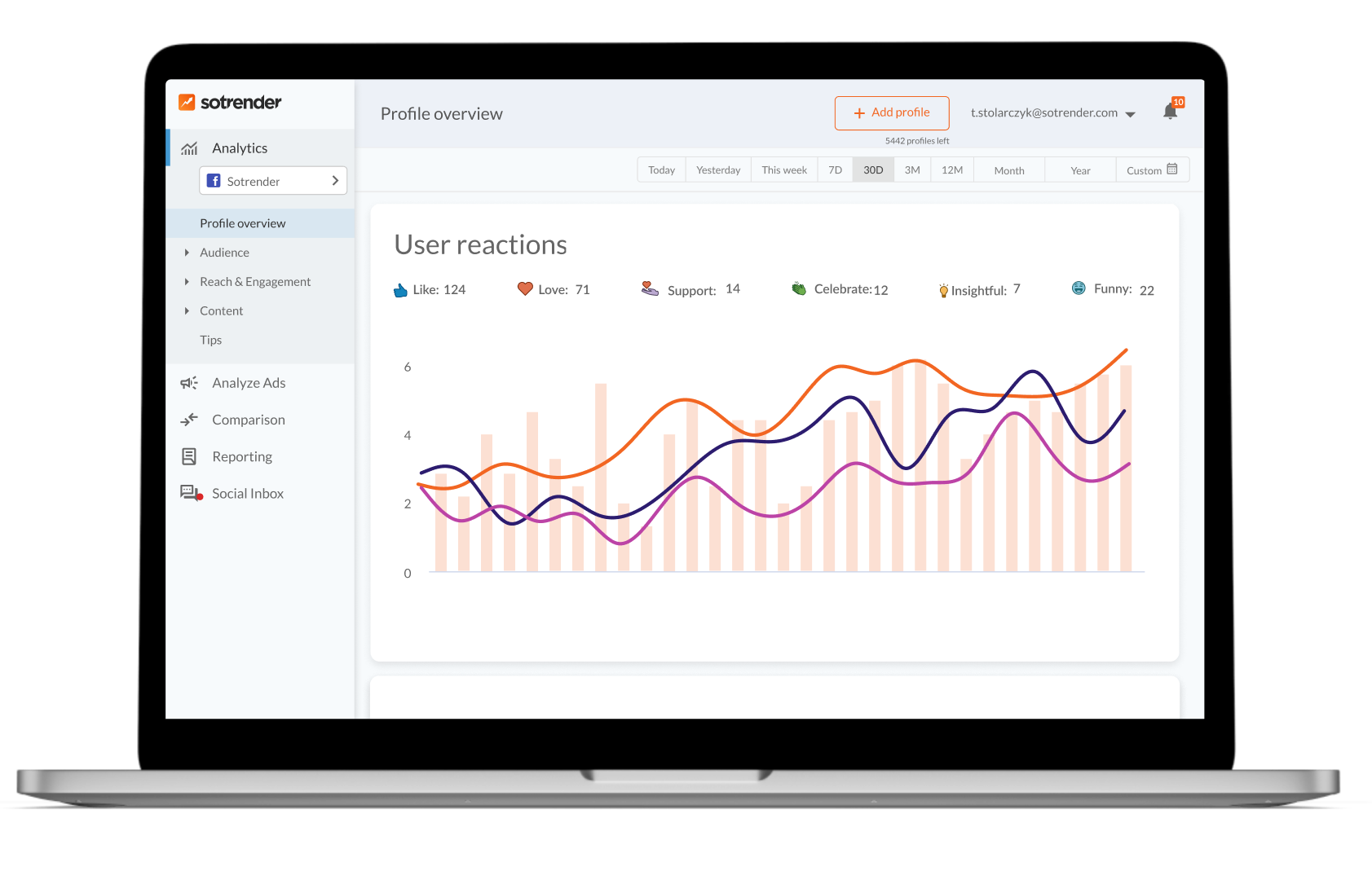
The Psychology Behind Caring What People Think
We live in the age of performative metrics. Likes, comments, views—they’re the public scoreboard of attention. Whether you’re a marketer, influencer, or SaaS brand, your digital worth on social media gets measured in micro-interactions. Social media marketing relies on interpreting these metrics to evaluate campaign effectiveness and guide strategy. And pretending those don’t affect strategy is a lie. Humans are wired to crave social validation; digital marketing just industrialized it.
Algorithms reward engagement, and people reward popularity. Social media metrics play a crucial role in determining your content’s visibility and reach. If your content looks ignored, fewer people even see it. So, when brands say they don’t care about vanity metrics, they’re ignoring how the system actually works. It’s not about ego—it’s about visibility. In a world where attention is currency, those small boosts in engagement often dictate who gets heard and who gets buried.
The smartest marketers use vanity metrics like a feedback loop and look at it like a skills matrix. If a particular vanity metric is consistently high, that means you should focus on what you do best. Also, looking into it might not seem such a bad idea after all.
If a post gets unusually high saves or shares, it tells you what resonates emotionally, and a high engagement rate is a key indicator of content that truly connects with your audience and what insight drives better strategic decisions. Metrics, even the so-called shallow ones, reveal something about human behavior—and that’s the most valuable data of all.
When Vanity Turns Into Strategy
The difference between a vain marketer and a strategic one isn’t whether they chase likes. It’s whether they know what those likes are worth. Vanity metrics can serve as early indicators for bigger goals: awareness, credibility, or viral traction. However, within a marketing campaign, it’s crucial to focus on meaningful metrics that truly reflect success and drive actionable decisions. For instance, high engagement can trigger better placement in feeds, which leads to organic reach—and that can snowball into conversions over time.
Think of vanity metrics as first-date chemistry. You can’t build a long-term relationship without it, but it doesn’t guarantee one either. A smart marketer sees engagement spikes as test results, not trophies. They look for patterns behind the applause—why did people react this way? Metrics like click through rate and conversion rate provide deeper insight into how effectively your content prompts users to take action, moving beyond surface-level engagement. What emotion did the content tap into? The data might not scream “sales,” but it whispers “attention,” and attention is the seed of every sale.
In practice, this means balancing your metrics portfolio, as well as combining reach and impressions with retention and conversion rates. Track both what attracts people and what keeps them around. To optimize your strategy and outcomes, it’s essential to track actionable metrics that inform real improvements and campaign effectiveness. Vanity becomes strategy when you use it to refine storytelling and predict which messages will scale.
The Social Currency of Social Media Followers
There’s another reason vanity metrics matter: perception. Brands live and die by credibility, and credibility often starts with visible popularity. When users see a post with thousands of likes or a profile with a strong following, they subconsciously associate it with authority. This phenomenon—social proof—isn’t new, but social media amplified it to extreme levels.
A high follower count might not directly sell products, but it opens doors. Visible popularity can attract potential customers and help you identify qualified leads, but if you focus only on numbers, you risk bringing in low quality leads that waste resources and hinder sales performance. Journalists take your pitches more seriously, influencers reply faster, and new customers trust you quicker. That’s not vanity—that’s positioning. In many ways, vanity metrics function as your digital handshake. They establish legitimacy before you ever enter a conversation.
The trick is not to inflate those numbers artificially and make sure all growth is organic. Bots and fake engagement are short-term sugar highs that destroy trust. The goal isn’t to look popular. It’s to earn visibility that attracts real humans—and to understand that popularity, when organic, can be one of your most powerful marketing assets.
Vanity Metrics as Market Research
Here’s where it gets interesting: vanity metrics can double as free, real-time market research. It’s like when you’re job hunting and wondering how long should your resume be. Sure, you might get something wrong, but this is an excellent opportunity to track engagement and see what works best. By monitoring various data points, such as app downloads and total sales, you gain a comprehensive view of performance beyond surface-level numbers.
Tracking engagement trends over time helps spot shifts in behavior before your competitors do. Maybe your followers start saving more carousel posts than videos—that’s a sign to adjust content format. Or maybe a spike in mentions around a new feature signals untapped demand. When viewed as qualitative signals rather than vanity trophies, these metrics become early warning systems for brand relevance. Analyzing these metrics within the context of your specific industry helps inform improvements to business processes, making your insights more actionable and relevant.
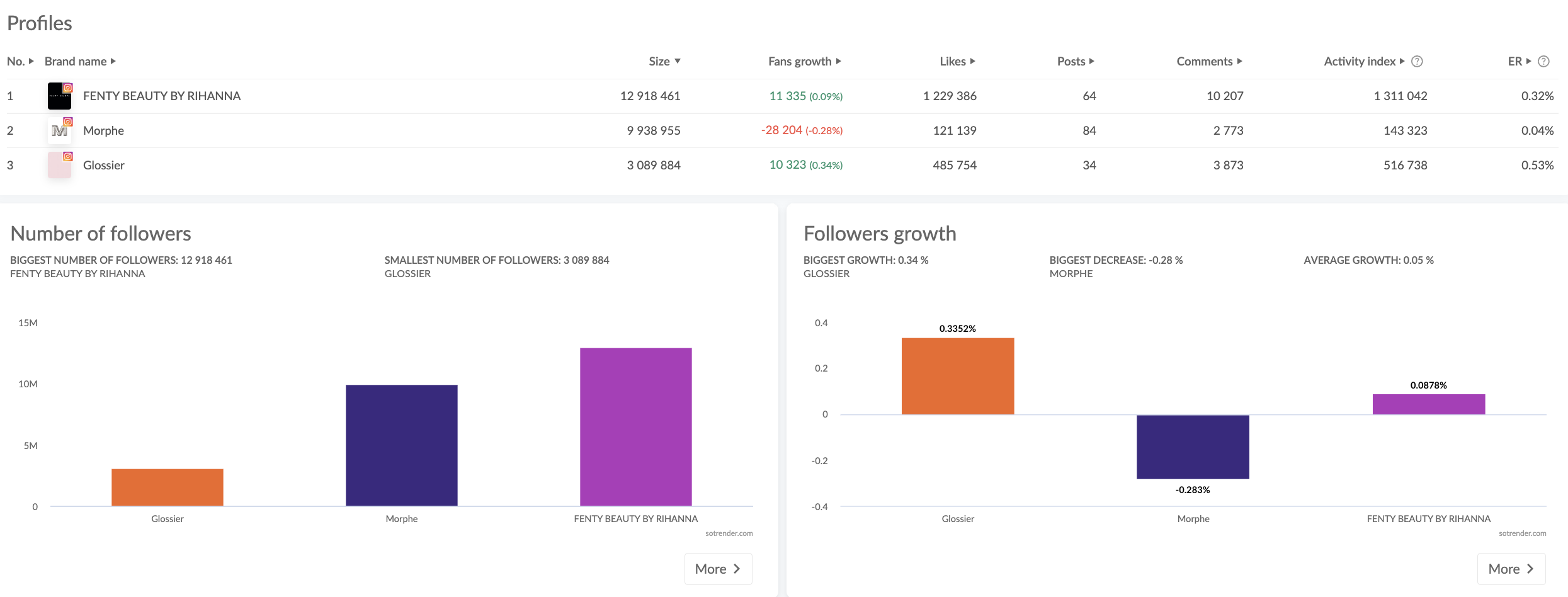
That’s why Sotrender makes this kind of analysis precise. As an analytics tool, it helps marketers interpret data and accelerate business growth. It doesn’t just show that engagement happened; it tells you why. The context behind those numbers is what separates marketers chasing hype from those predicting trends. Used correctly, vanity metrics evolve from ego stroking to strategic intelligence.
Governing Your Metrics: Integration of Actionable Metrics, Not Elimination
Marketing is moving toward an era of integrated metrics—where vanity, engagement, and conversion coexist instead of competing. The line between them is blurring. A viral TikTok might not directly sell your product, but it drives website traffic that later converts through retargeting. A spike in impressions can precede a month of new followers who eventually become paying customers. That’s why it’s essential to align your metrics with business goals and focus on metrics that ultimately lead to paying customers.
See? That’s how great marketers separate themselves from the average ones: they have a funnel-first mindset, instead of a KPI-first one. Actionable metrics and useful metrics inform business decisions and drive growth in a meaningful way.
The most forward-thinking marketing teams already treat metrics as an ecosystem. Identifying which metric lead to strategic business decisions is crucial for long-term success. Awareness fuels engagement, engagement fuels conversions, and conversions generate new awareness through word-of-mouth and advocacy. Chasing vanity metrics without understanding this loop is shallow. Ignoring them entirely is shortsighted. The key is balance: knowing how to observe your competition and act upon your findings.
Metrics are evolving because attention itself is evolving. Every tap, scroll, and share is part of the consumer’s decision-making process. Pretending vanity doesn’t matter is like ignoring the weather because you only care about the harvest. You can’t grow anything if you don’t first understand the climate. Providing context when analyzing these data points ensures you focus on actionable insights that inform future strategies and lead to informed decisions.
By tracking related metrics such as bounce rate, click through rates, and daily active users, marketers gain an accurate picture of how marketing efforts translate into real business outcomes. Combining social posts performance with website traffic and customer acquisition cost data gives a more actionable data view. Integrating engagement metrics with customer lifetime value helps optimize marketing spend and content marketing strategies. This holistic approach to metrics enables marketing teams to make informed decisions that improve conversion rates and overall business success.
Conclusion
Caring about vanity metrics doesn’t make you superficial—it makes you self-aware. They’re the heartbeat of the digital world, messy but meaningful, fleeting but revealing. Every marketer wants results, but the path to real impact often begins with simple visibility. You can’t convert what you can’t reach.
So go ahead—care about your likes, social media followers, and social media posts. Track your followers. Watch those impressions climb. Just don’t stop there. Let vanity metrics guide your curiosity, not your ego. Because when used with intention, they stop being shallow measures of popularity and start becoming mirrors reflecting what your target audience actually values.
Providing context when analyzing these data points ensures you focus on actionable insights that inform future strategies and lead to informed decisions. Remember, not all metrics are created equal; vanity metrics tend to be overly simplistic and don’t necessarily translate into business success. That’s why it’s essential to review metrics carefully and prioritize more actionable metrics that lead to meaningful interactions and true engagement.
And that, in the end, is the smartest kind of marketing there is.