


For years, X has been everyone’s favorite digital riddle. What began as Twitter (formerly Twitter) – the pulse of real-time conversation – mutated into a chaotic experiment under Elon Musk’s stewardship. Yet, somewhere between the rebrand and the ideological tug-of-war, X began to mature.
In 2026, the platform seems to have finally picked a lane – or at least stopped swerving across five of them at once. It’s not a news platform. It’s not just a meme repository.
It’s a hybrid: a data-rich, conversational engine that blurs that has elements of Threads and LinkedIn but isn’t like them. Compared to other social media platforms and other platforms, X stands out with its unique blend of real-time engagement, professional networking, and viral content potential. For marketers, that means opportunity – if you understand how to read its new language.
X also enables brands to reach a wider audience than many other platforms, making it a powerful tool for expanding brand awareness and engagement.
X Has Rebuilt Its Core Identity Around Behavior, Not Content
X no longer measures success through likes or retweets. Those metrics still exist, but the algorithm now interprets user engagement as behavioral data rather than static performance signals. It tracks dwell time, response velocity, and conversational context. In essence, X has become a behavioral platform – a place where the weight of your content depends on how people interact, not how many.
The biggest shift is X’s evolving interest graph. Instead of categorizing users by the accounts they follow, the platform maps real-time interests based on behavior clusters. Marketers can use these insights to drive traffic to their website or products by aligning content and ads with current user intent.
Someone who spends 10 minutes reading threads about AI ethics and then jumps to Formula 1 clips is no longer treated as an anomaly – they’re a dynamic signal. This behavioral clustering gives marketers a sharper targeting model than ever before, allowing brands to target specific audience segments such as decision makers or thought leaders. Ads and content now follow intent in real time, not demographics.
For brands, this means one thing: attention is fluid. Campaigns built around static personas are losing traction, while those built around momentary identity are winning. Measuring campaign success now includes tracking increased traffic as a key objective. If your content can respond to cultural microtrends as they emerge – not a week later – you’re speaking X’s new language. Managing your X account effectively is essential to optimize for these new behavioral signals and ensure your campaigns reach the right audience segments.
- 7 days for free
- No credit card required
- Access to all premium features
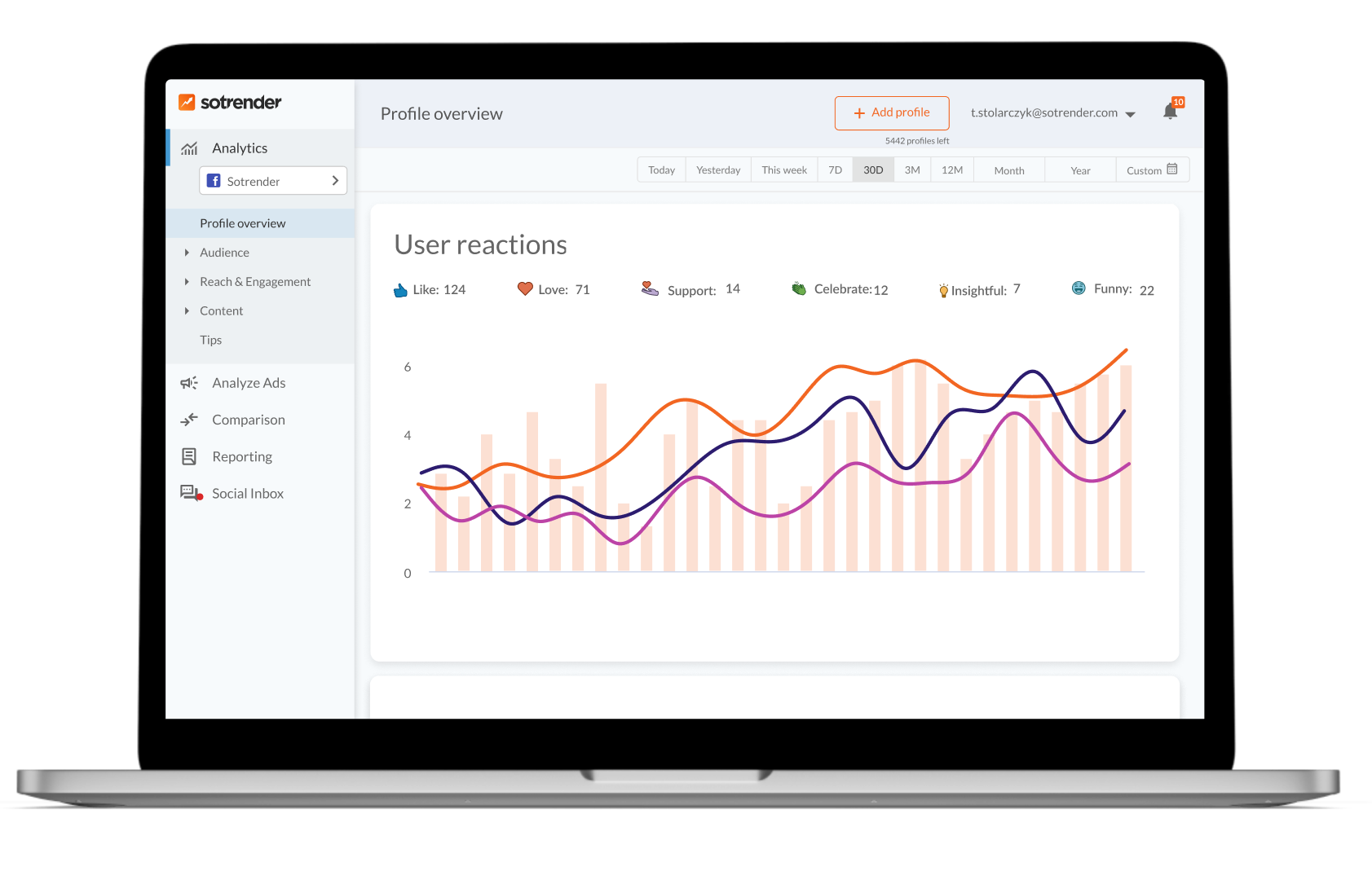
Understanding the Target Audience on X in 2026
Let’s be honest – if you’re planning to build a winning X marketing strategy in 2026 without understanding your audience, you’re basically throwing darts blindfolded. We’ve all been there (trust me, the “spray and pray” approach never ends well). X has carved out this wild identity among social platforms – it’s got this diverse, global crowd that’s both massive and weirdly engaged. We’re talking 535 million monetizable monthly users here – which sounds like a goldmine until you realize you have no clue how to actually reach them.
Here’s where X gets tricky (and honestly, pretty cool). Unlike those other platforms where you’re targeting “female, 25-34, likes yoga” – X’s audience doesn’t sit still long enough for that. These people are defined by what they’re obsessing over right now, not what’s written on their LinkedIn profile. Whether you’re trying to catch tech nerds mid-rant about the latest AI drama, business leaders during their morning Twitter-scrolling ritual, or pop culture fanatics losing their minds over celebrity gossip – the platform lets you jump into conversations as they’re happening.
So here’s what actually works (and we’ve tested this more times than we’d like to admit). Start stalking – I mean, analyzing – the trending conversations and hashtags in your space. Use X’s audience insights like you’re detective hunting for clues about where your dream customers hang out and what makes them hit that like button. Then – and this is where most people mess up – actually tailor your content to match these real-time obsessions. Your brand voice needs to slide into conversations like it belongs there, not like that person who shows up to a party uninvited.
Bottom line? Success on X in 2026 isn’t about perfect demographics or fancy targeting – it’s about showing up where your audience is already hanging out and actually getting what they care about. When you nail that understanding of how this platform’s user base actually behaves (spoiler: it’s constantly evolving), you’ll stop wondering why your posts are getting crickets and start seeing the engagement, brand recognition, and business results you’ve been chasing in this chaotic digital world we’re all trying to navigate.
Why Threads Became the New Thought Leadership Format
After years of visual-first dominance across platforms, X is reviving text as the heartbeat of digital authenticity. This doesn’t mean images or videos are irrelevant; it means they now orbit around something more human: words.
Threads on X have become 2026’s whitepapers – snappier, livelier, but just as strategic. With improved formatting tools, thread-based storytelling is seeing a big comeback. X’s recommendation engine prioritizes content that starts a conversation over content that merely looks good. In a world oversaturated with visual noise, coherent, well-structured writing has become a mark of authority. To maximize engagement in threads, marketers need to create content tailored to their audience, ensuring each post resonates and encourages participation.
Marketers who master this new thread economy understand pacing, rhythm, and emotional triggers. Developing a content strategy for threads is essential – balancing value, personality, and relevance while aligning with platform trends and advertising tactics. It’s also great for recruitment purposes because the platform hasn’t been tainted (yet). Hence, it’s not uncommon to see people openly looking for a CFO or another high-level position, mainly because Threads is still professional to an extent, but it has that late 2000s Twitter vibe.
Unlike on X, successful thread reads like serialized storytelling, not marketing copy. Each tweet functions as a beat – a dopamine hook in a larger arc. Using conversation starters such as humor, polls, or engaging questions can help boost audience interaction and spark discussions. Brands like Notion and Nvidia have used this rhythm to turn technical updates into viral, human-centric conversations.
X Spaces: Where Community Becomes Currency
Spaces have evolved from casual chats into structured broadcast ecosystems. The most successful ones now operate like hybrid webinars and podcasts, where engagement metrics directly influence ad placement opportunities. Brands use Spaces not just to build awareness but to harvest real-time consumer insight. Direct messaging has also become a key feature for fostering private conversations and building community, complementing public engagement in Spaces.
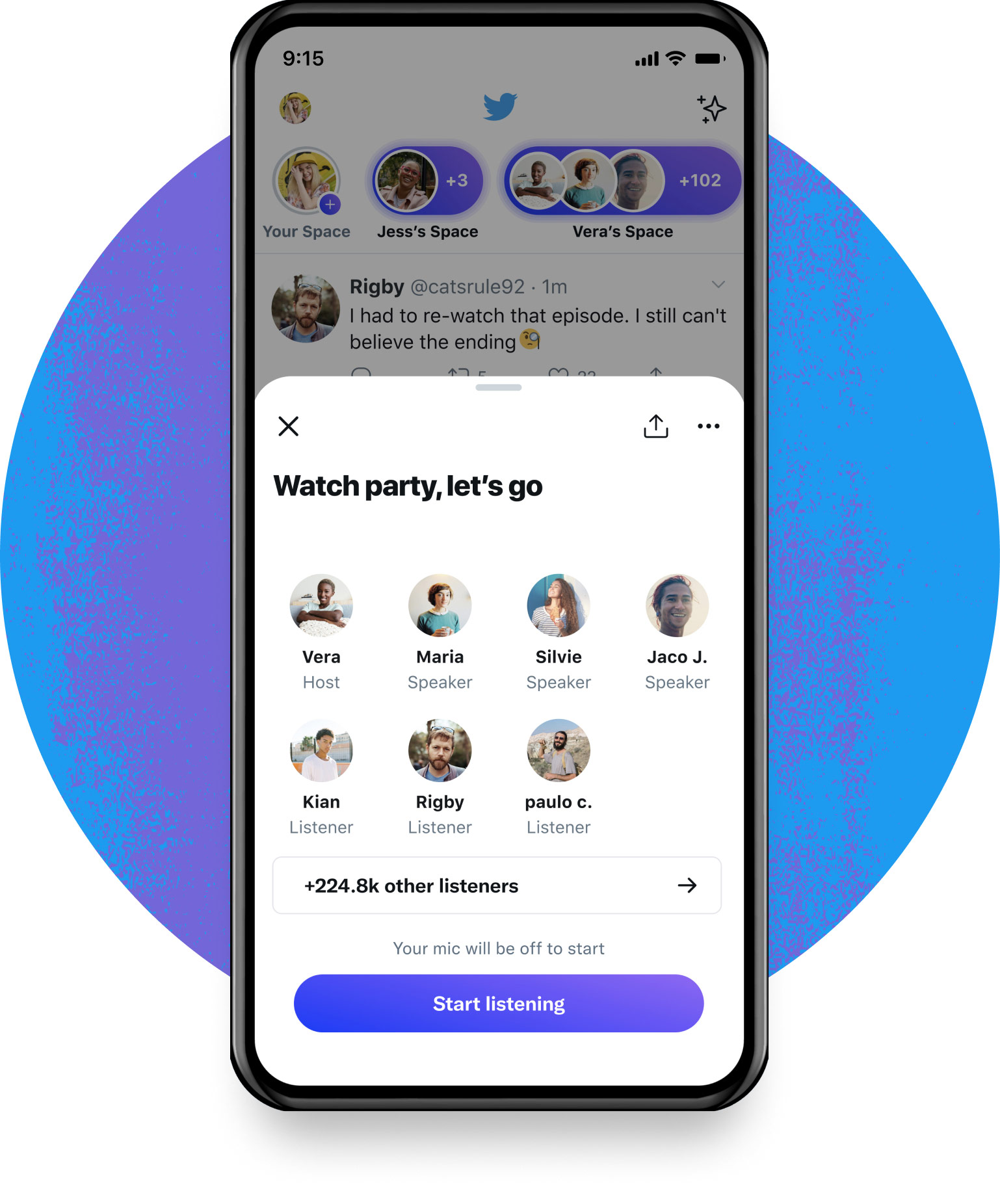
Every Space now generates transcript-level analytics accessible via X Pro. Metrics like sentiment polarity, keyword density, and audience retention allow hosts to measure conversational tone and engagement health. Marketers are using this to fine-tune messaging before campaigns go public.
Even more interestingly, Spaces are now monetizable through direct sponsor integration – but only for sessions that meet quality and retention thresholds. This has created an incentive for marketers to treat them as live content laboratories rather than one-off experiments, often leveraging resources such as planning tools or templates to optimize the planning and execution of Spaces.
Creator-Led Brands Are Owning the Platform
The biggest winners on X right now aren’t corporations – they’re individuals who act like brands without sounding like them. Many brands are adopting the creator-led approach to increase engagement and connect more authentically with their audiences. Personal brands with domain expertise are pulling disproportionate attention, especially when they merge commentary with curation. The most successful format of 2026: the hybrid creator-marketer.
To stay ahead, it’s important to monitor other brands on X for inspiration and competitive analysis. Observing how other brands engage with users, respond to trends, and participate in conversations can reveal opportunities and gaps in your industry.
As you build a personal or creator-led brand, tracking brand mentions is essential for understanding audience sentiment and optimizing your X marketing strategy.
The Rise of the Hybrid Creator-Marketer
These are strategists, CMOs, or founders who narrate brand evolution in public. They share growth metrics, customer stories, or product pivots in real time. The transparency attracts followers, but the meta-commentary on marketing itself builds authority. This meta layer has made X a meta-network: people discuss marketing on the same platform they market through. Influencer marketing on X enables brands to collaborate with thought leaders, leveraging their authority and reach to expand brand visibility and credibility.
For organizations, the implication is clear. Instead of outsourcing brand voice to faceless handles, empowering internal creators drives more credibility. The “faces behind brands” now function as distributed brand nodes. This decentralized approach improves trust, engagement, and even conversion because people engage with people, not logos. These strategies can also attract new customers through authentic engagement and partnerships with influential voices.
Data Integration and the Rise of X Analytics 2.0
X has quietly become one of the richest behavioral datasets on the planet. In 2026, its new analytics suite – X Analytics 2.0 – offers native integration with platforms like Google Looker Studio, HubSpot, and Tableau. The API doesn’t just deliver engagement data; it exports emotion maps, topic velocity, and context clustering. Marketers can use X Analytics 2.0 to monitor campaign performance, optimize strategies in real time, and ensure their efforts are driving measurable results.
Emotion mapping is X’s most underrated innovation. It uses NLP sentiment modeling to chart collective moods across topics. Marketers can now visualize emotional resonance at a campaign level. For instance, a fintech brand launching a new product can track shifts in sentiment within finance-related communities before the official campaign begins. This allows for preemptive messaging calibration. By also tracking search results and how content appears in promoted placements or Twitter Moments, marketers can improve discoverability and ensure their campaigns reach the right audience.
Combined with topic velocity – a measure of how fast a theme gains conversational momentum – emotion maps turn X into an early-warning system for brand reputation and trend prediction. Marketers who master these analytics gain cultural foresight and can better identify and engage potential customers through advanced analytics.
Advertising on X: Finally Making Sense
The ad ecosystem on X has stabilized after years of chaos. With the Focus Feed algorithm, X now displays ads that are semantically aligned with real-time conversations. Unlike traditional ads, X ads offer unique features such as contextual targeting, flexible campaign objectives (including link clicks, video views, and follows), and advanced analytics for optimizing ad revenue and campaign performance. Rather than targeting audiences, ads target contexts.
This is X’s smartest pivot. Ads for cybersecurity software, for example, now surface under trending threads about data breaches – not because of who’s reading, but what they’re reading. Engagement rates have doubled since X adopted contextual alignment as a priority signal. Marketers can use paid ads to extend the reach of high-performing organic content, transforming successful posts into targeted campaigns for greater visibility.
For B2B marketers, this makes X a serious channel again. Sponsored threads that contribute real insights to ongoing discussions outperform display ads by a factor of three. When running these campaigns, tracking completion rates, video content performance, video views, and link clicks is essential for measuring engagement and optimizing results. Success now depends on the ability to blend content into context – to sound native, not promotional. To maximize ad revenue and make the most of your advertising dollars, focus on targeted campaigns that achieve lower cost per result. Always ensure your ad creatives and URLs work properly to comply with platform policies and avoid disruptions. Follower count is also a valuable metric for evaluating campaign success and audience growth.
The Return of Real-Time Marketing
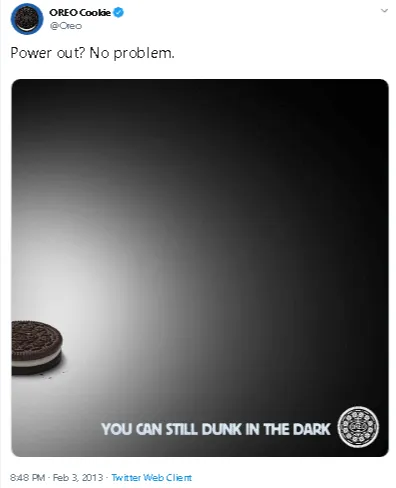
Remember Oreo’s Super Bowl tweet in 2013? That real-time responsiveness is back, but at machine speed. With AI-assisted monitoring tools, marketers can detect trending discussions and insert brand-relevant commentary within minutes. The difference is that now, X’s algorithm rewards this agility. Organic content plays a crucial role here, as authentic, timely posts help build trust and engagement with your audience.
Using predictive analytics, X surfaces upcoming conversation clusters before they hit trending status. This lets brands join micro-moments early – before saturation. To maintain consistency and plan real-time responses effectively, top marketers rely on a content calendar that aligns scheduled posts with spontaneous engagement. The top-performing marketers in 2026 treat X as a stock market of ideas: they trade in timeliness, not virality, and implement strategies specifically aimed at gaining more followers.
This agility demands leaner approval workflows. Brands with bloated hierarchies are still missing these micro-opportunities. The smartest teams have built real-time response cells – mini editorial pods authorized to act instantly when a moment arises. Real-time marketing on X not only boosts engagement but can also directly drive sales through timely, relevant interactions.
How to Future-Proof Your X Strategy
Success on X in 2026 depends on combining human tone with machine precision. Here’s what separates the forward thinkers from the nostalgic marketers still pining for Twitter’s past:
- Treat X as an experimental lab, not a broadcast channel: Your audience’s behavior is data. Every reply, quote, or silence teaches you something. Use that data to evolve tone and strategy weekly. Managing multiple social media accounts as part of this experimental approach allows you to test and optimize messaging across platforms for maximum impact.
- Build creator ecosystems, not content calendars: Collaborate with internal voices and external creators. A distributed presence outperforms a single-brand megaphone. Clearly communicating your services through your X presence helps attract potential clients and sets your brand apart in a crowded space.
- Prioritize interactive storytelling: Threads, polls, and Spaces that invite participation fuel algorithmic depth. The more users invest emotionally, the stronger your ranking signal.
- Leverage emotion and context analytics: Emotion maps, sentiment scores, and topic velocity reports aren’t just for data teams. Use them to plan campaigns with cultural precision.
X marketing is important for modern brands because it boosts brand awareness, provides real-time customer insights, and enables influencer collaborations, making it a vital part of a comprehensive marketing strategy.
Final Thoughts
Marketers have spent years treating X like an unstable ex – unpredictable, volatile, yet too familiar to ignore. But in 2026, that chaos has coalesced into something coherent: a living, breathing ecosystem that rewards depth, agility, and authenticity.
X has stopped pretending to be a replacement for Twitter. It has evolved into a mirror for collective human behavior – real-time, unfiltered, and algorithmically aware. For marketers bold enough to keep up, it’s no longer a graveyard of attention. It’s a playground for precision.
The platforms that matter in 2026 are the ones that understand who they are. X, finally, almost does.