


TikTok micro-communities have become one of the most reliable ways for brands to build real connections with audiences. These niche groups gather around shared interests, values, and cultural touchpoints. And they often drive higher engagement than broader campaigns.
The rise and growing popularity of micro-communities on the social media app TikTok are shaping brand strategies, as these spaces attract large audiences and foster authentic engagement.
Finding these communities is one thing. Proving their value to the business is another. Measuring reach and engagement tells only one part of the story.
To understand actual impact, you must track how these communities influence awareness, loyalty, and conversions.
In this article, you’ll learn which metrics to focus on, how to track them, and how to connect TikTok community activity to measurable brand growth.
- 7 days for free
- No credit card required
- Access to premium features
Introduction to Social Media Communities
If you’ve ever tried to build a community around your brand and ended up talking to… well, basically yourself – welcome to the club. We’ve all posted into the void thinking “surely someone will engage with this.”
Here’s the thing about social media communities – they’re not just random groups of people scrolling mindlessly. These are dynamic spaces where folks actually hang out, share ideas, and build real connections on TikTok, Instagram, Facebook, Reddit, you name it. Some are massive, some are tiny – but they all have one thing in common: shared interests that run deeper than you’d think. And those micro communities? They’re the hidden gems. We’re talking smaller, often more private groups where people really get each other. The conversations are real, the trust is genuine, and honestly – that’s where the magic happens. Niche communities might be bigger, but they’re still laser-focused on specific topics or demographics, which means you’re not shouting into a crowded room hoping someone cares about your thing.
For marketers and businesses trying to crack this code – understanding these community landscapes isn’t just nice to have, it’s everything. These aren’t just chat rooms where people kill time. They’re influence hubs, trendsetting central, and where brand advocates are actually born. When you find the right communities and show up authentically, you’re not just posting content – you’re tapping into something powerful. Whether you’re launching something new, building loyalty that actually sticks, or just trying to connect with people who genuinely care about what you’re doing, engaging with these micro and niche communities isn’t just strategy – it’s the strategy that actually moves the needle.
Why TikTok Micro-Communities Drive Growth
Micro-communities on TikTok form around shared interests, hobbies, and cultural touchpoints. They’re smaller than mainstream audiences, but they create stronger bonds between creators and followers.
According to a 2024 study, nearly 70% of influencers on the platform have between 1,000 and 10,000 followers. And another 23% fall in the 10,000–50,000 range. That means almost 90% of TikTok brand advocates operate at the micro influencer or nano influencer level.
Pair that with TikTok’s 1.58 billion monthly active users (MAU). And you see why these smaller communities play a big role in shaping brand growth.

And if that isn’t convincing enough, consider a global TikTok study. It found that creator-led ads with clear branding in the first two seconds drove more than double the lift in brand awareness compared to traditional campaigns.
This highlights how micro-communities built around creators hold attention and shape perception faster than mass appeal content.
Micro-communities also push trends outward. A single video within a niche group can spread across the TikTok algorithm, gaining traction far beyond its initial point of origin. This organic growth pattern explains why TikTok engagement rates are often higher than those of other social platforms.
Brands that connect with these communities gain higher engagement and credible advocacy. A community of 10,000 people who comment, share, and buy carries more value than a million passive views.
Active engagement in comment sections helps brands build a loyal customer base by fostering direct conversations, answering questions, and encouraging ongoing participation.
Niche fragrance brands, like those from Scent Split, are a great example of how TikTok micro-communities can drive brand growth.
These communities often focus on sharing authentic reviews, scent layering tips, and personal experiences with hard-to-find perfumes, creating buzz around unique and exclusive fragrances.
Influencer partnerships within these micro-communities can amplify brand reach and credibility, as collaborations with trusted creators help brands connect authentically with targeted audiences.
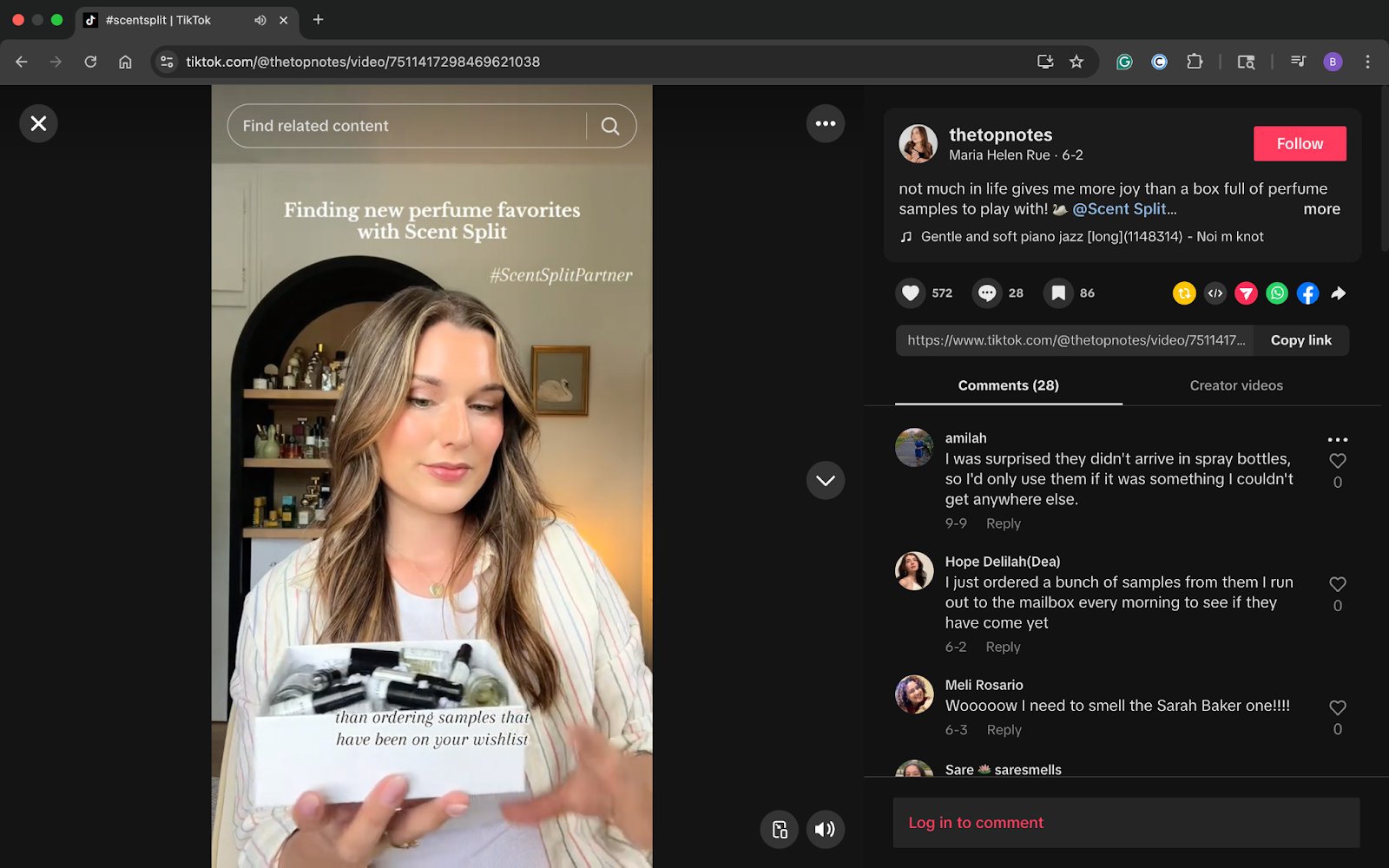
By tracking engagement metrics such as video shares, comments, and user-generated content, businesses can gain insight into how these micro-communities influence purchasing decisions. Comment sections are especially important as spaces for community interaction and feedback, providing valuable insights and fostering ongoing engagement.
Let’s look at another example.
For companies like Alan’s Factory Outlet, which offer products such as metal buildings, leveraging TikTok micro-communities can play a significant role in boosting brand growth.
They often share content showcasing creative uses of metal buildings, from home workshops and storage spaces to customized garages.
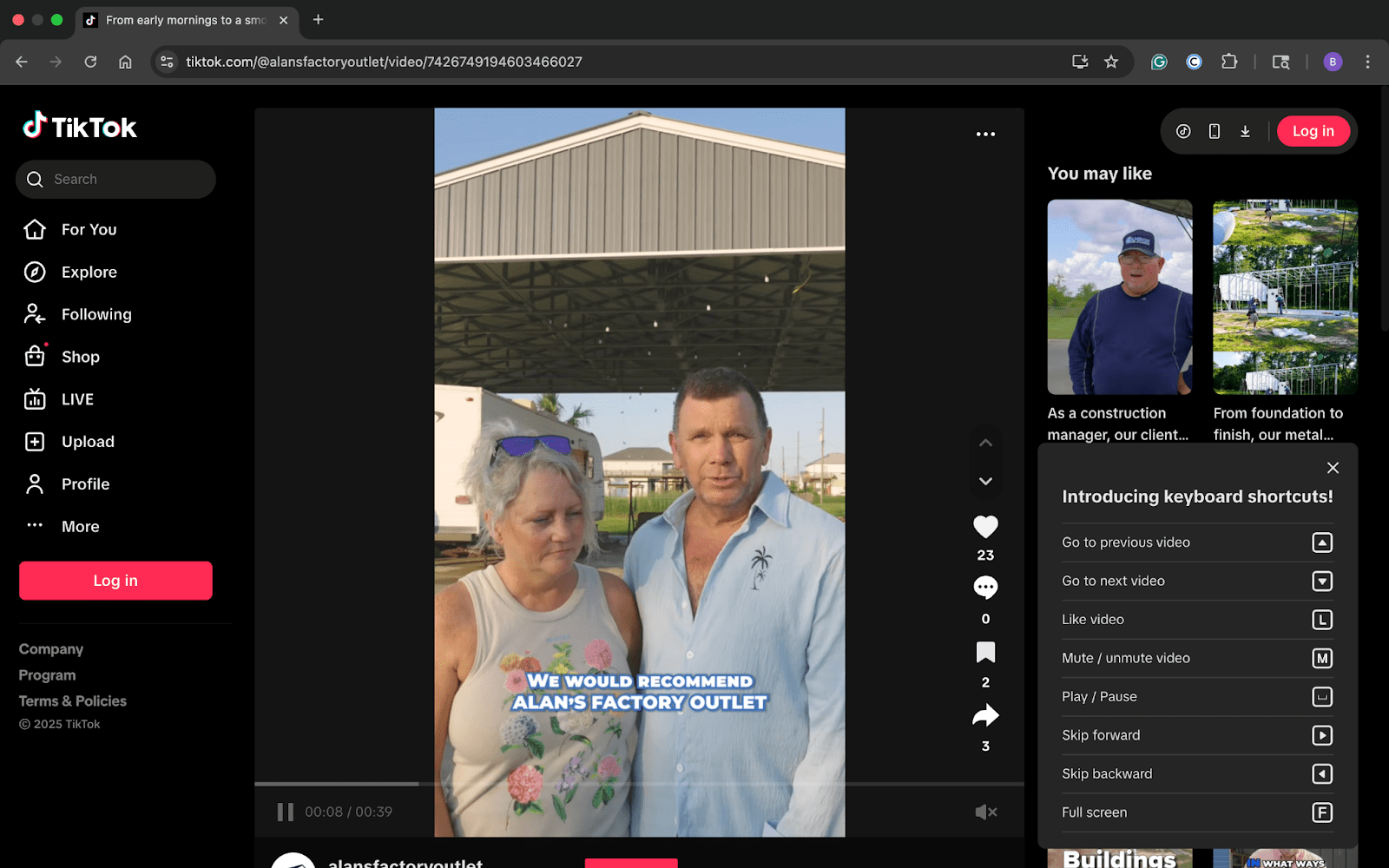
This insight allows the company to refine its marketing strategy, create targeted content, and build stronger connections with audiences who are genuinely interested in its offerings.
Leveraging User-Generated Content
If you’ve ever posted something thinking your audience would love it – only to realize you’re basically talking to yourself – you’ve probably wondered about this whole user-generated content thing. UGC is just fancy talk for when your customers do the heavy lifting for you – posting photos, videos, reviews, whatever – instead of you scrambling for content ideas at 11 p.m. When you share that stuff, you’re not just showing off real experiences, you’re building something that actually feels… real. This kind of content fosters authentic connections and helps in community building by encouraging members to participate and share their own stories.
Getting people to share their stories isn’t rocket science, but it’s not exactly “post and pray” either. Maybe you throw out a branded hashtag, start some quirky challenge, or run a contest that doesn’t require a PhD to understand. Picture this – you ask people to film themselves using your product, then you feature the good ones on your channels. Suddenly you’re not just shouting into the void anymore, and your audience realizes you actually care about what they’re doing with your stuff. This approach boosts your brand presence and strengthens your relationship with consumers.
Here’s the thing about UGC – it creates this whole cycle where people feel seen, and that’s when the magic happens. Your customers start trusting you more because they see real humans, not just polished ads. They stick around longer, engage more, and before you know it, they’re out there telling their friends about you. It’s like having a bunch of enthusiastic salespeople, except they’re doing it because they genuinely want to, not because you’re paying them to. This power of real relationships within micro communities is invaluable for influencer marketing and brand partnerships, driving both engagement and conversions.
Key Metrics That Reveal Impact
To measure the influence of TikTok micro-communities, don’t focus too much on vanity numbers. Views and follower counts provide context, but they don’t tell you if communities are helping your brand grow.
Awareness, engagement, and conversion are the categories to pay attention to. They all connect community activity to a different stage of the customer journey. By tracking these metrics, brands gain access to valuable insights about engaged micro-communities, helping them better understand and reach niche audiences interested in specific interests and culture.
Awareness Metrics
Awareness metrics show you how effectively your brand is reaching new audiences through TikTok communities. They help you see whether people are noticing your content and how far it’s spreading. Key measures include:
- Reach and impressions: How many people see your videos, and how often they see them
- For You page appearances: The percentage of views that come from FYP exposure, which shows how much the algorithm is amplifying your content
- Follower growth: The pace at which new users follow your account after watching videos
Engagement Metrics
Engagement metrics reveal how deeply your audience interacts with your content. They capture likes, comments, shares, watch time, and saves. Each of these shows that users are both seeing your content and choosing to respond to it.
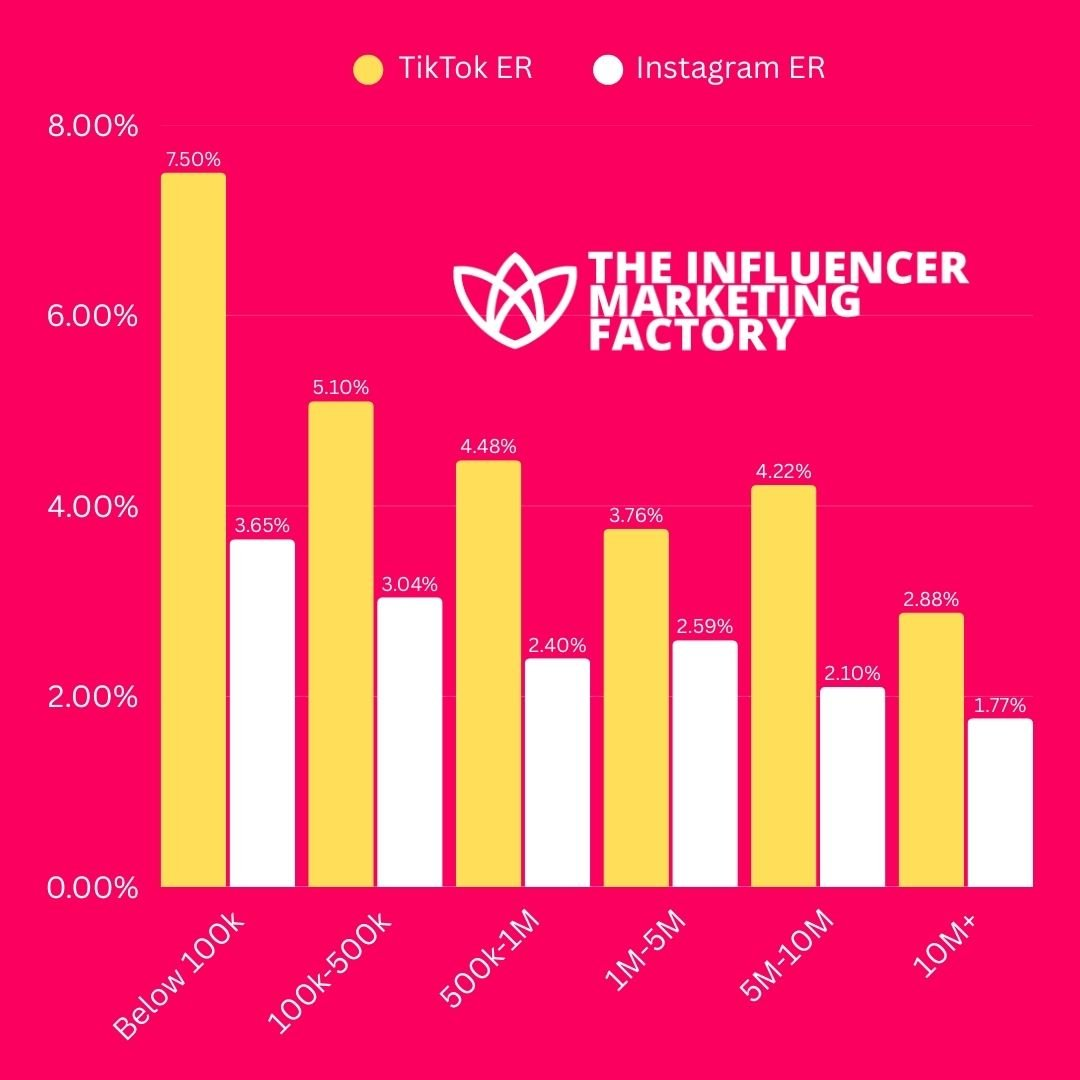
TikTok stands out in this category. Of all social media platforms, TikTok has the highest engagement rate (7.50%) among accounts with fewer than 100k followers. Instagram follows behind at 3.65%.
This reveals the strong role of micro-communities, where smaller audiences produce higher-quality interactions.
Within your own campaigns, the most telling engagement signals are:
- Average engagement rate: Total interactions divided by total followers
- Comments and shares: Indicators of active participation and word-of-mouth potential through user generated content and discussions
- Watch time: Shows whether your content is compelling enough to hold attention and encourage users to create content or share travel tips and ideas
- Saves and favorites: Reveal which content delivers long-term value and remains relevant, contributing to building relationships and community building
Conversion Metrics
Conversion metrics connect community activity directly to business results. They demonstrate whether TikTok engagement results in measurable actions that support your brand’s goals.
Examples include:
- Click-throughs: Traffic from TikTok to your website or landing pages
- Sales and sign-ups: Purchases (via website, TikTok Shop), downloads, or subscriptions attributed to TikTok marketing campaigns
- Attributed conversions: Results measured through tools like TikTok Pixel or Conversion Lift Studies, which isolate TikTok’s role in driving outcomes
Tools to Track Micro-Community Performance
Once you know which TikTok metrics to track, the next step is selecting the right tools to measure them. TikTok provides several options for tracking awareness, engagement, and conversions.
To get a complete view of audience engagement, tracking micro-community performance should also include owned channels, such as brand forums or dedicated social media groups.
And third-party platforms extend those insights with deeper analysis. Using a mix of these tools gives you a complete picture of how micro-communities drive brand growth.
TikTok Analytics
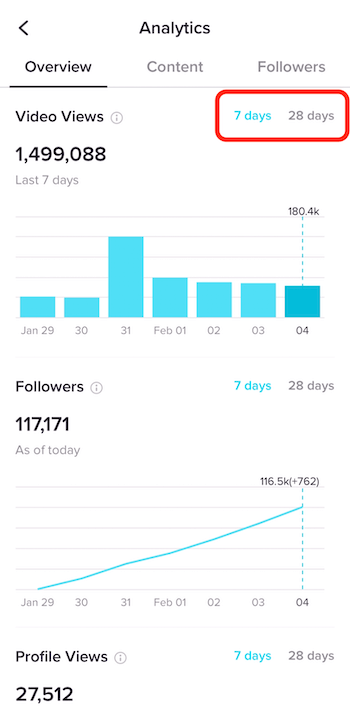
TikTok’s built-in analytics dashboard is the starting point for understanding performance. Available to business and creator accounts, it tracks profile views, follower growth, reach, and video-level engagement.
You can see which posts attracted new followers, when your target audience is most active, and how engagement rates change over time.
TikTok Ads Manager
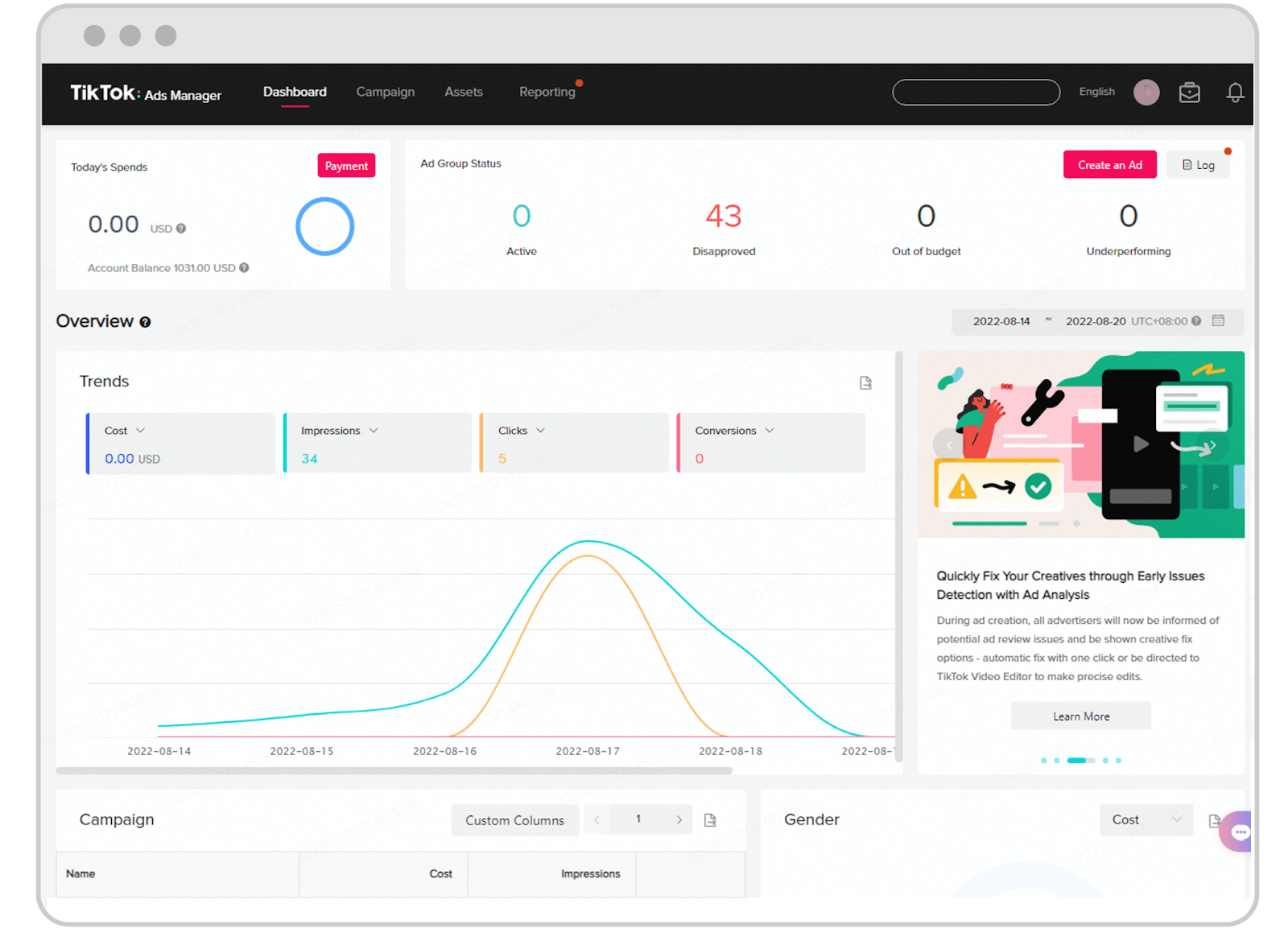
If you’re using TikTok for paid advertising campaigns (e.g., Spark Ads, Branded Mission Ads, etc.), Ads Manager provides more advanced tracking and reporting. It breaks down impressions, click-through rates, conversions, and cost-per-acquisition.
This helps you link ad performance to business goals, which improves business communication. You can segment results by audience to see how specific community groups respond to your campaigns, which is essential for testing different creative strategies.
Ads Manager also supports custom reporting, allowing you to align TikTok with broader marketing KPIs.
TikTok Pixel
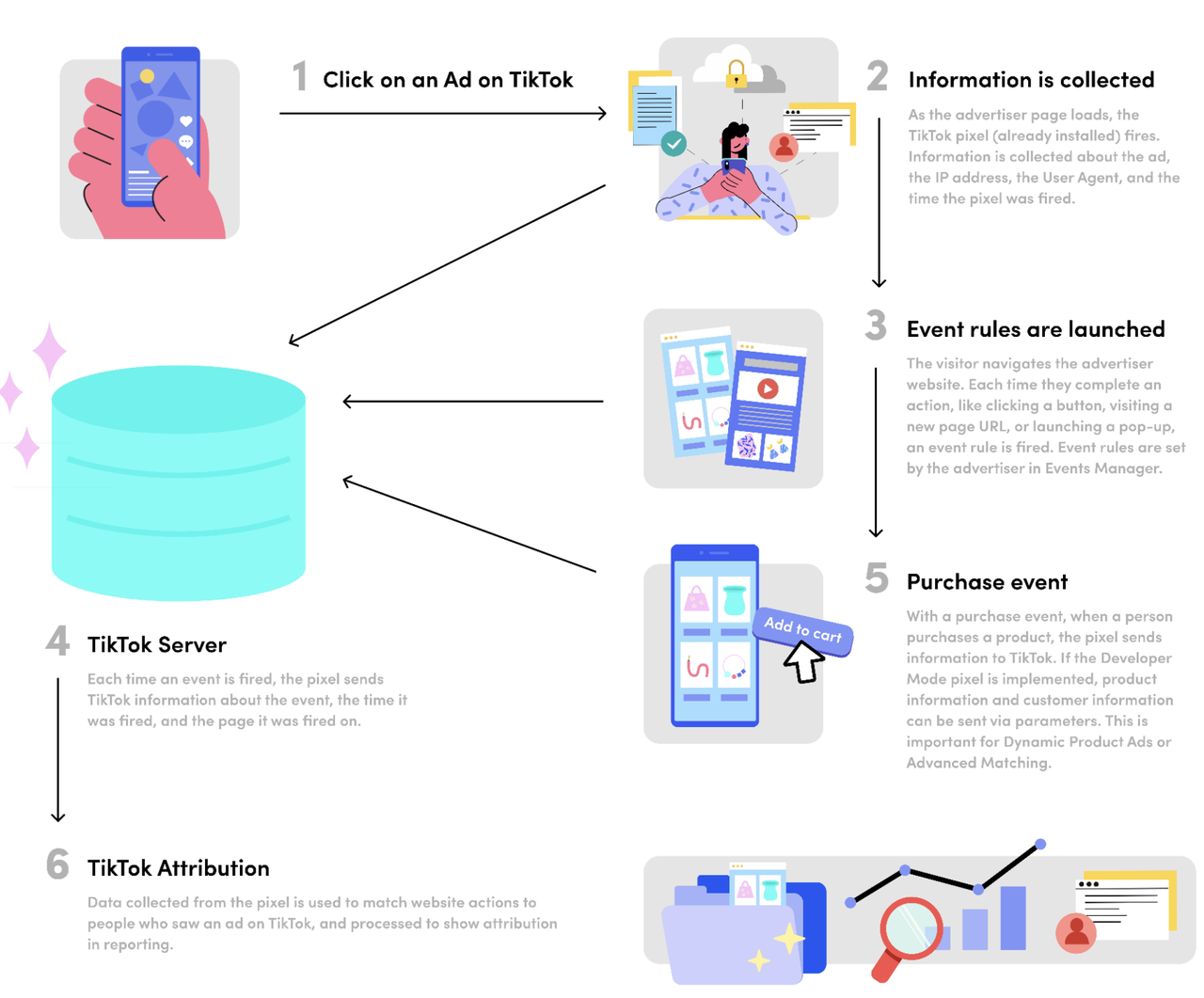
The TikTok Pixel is another TikTok analytics tool that adds another layer of visibility by tracking user actions after they leave the platform.
By installing it on your website, you can measure conversions such as purchases, sign-ups, or downloads and attribute them directly to TikTok campaigns.
The Pixel is key to understanding ROI because it ties community activity to concrete outcomes. It also enables retargeting, which allows you to re-engage TikTok users who showed interest but didn’t convert on the first visit.
Conversion Lift Studies
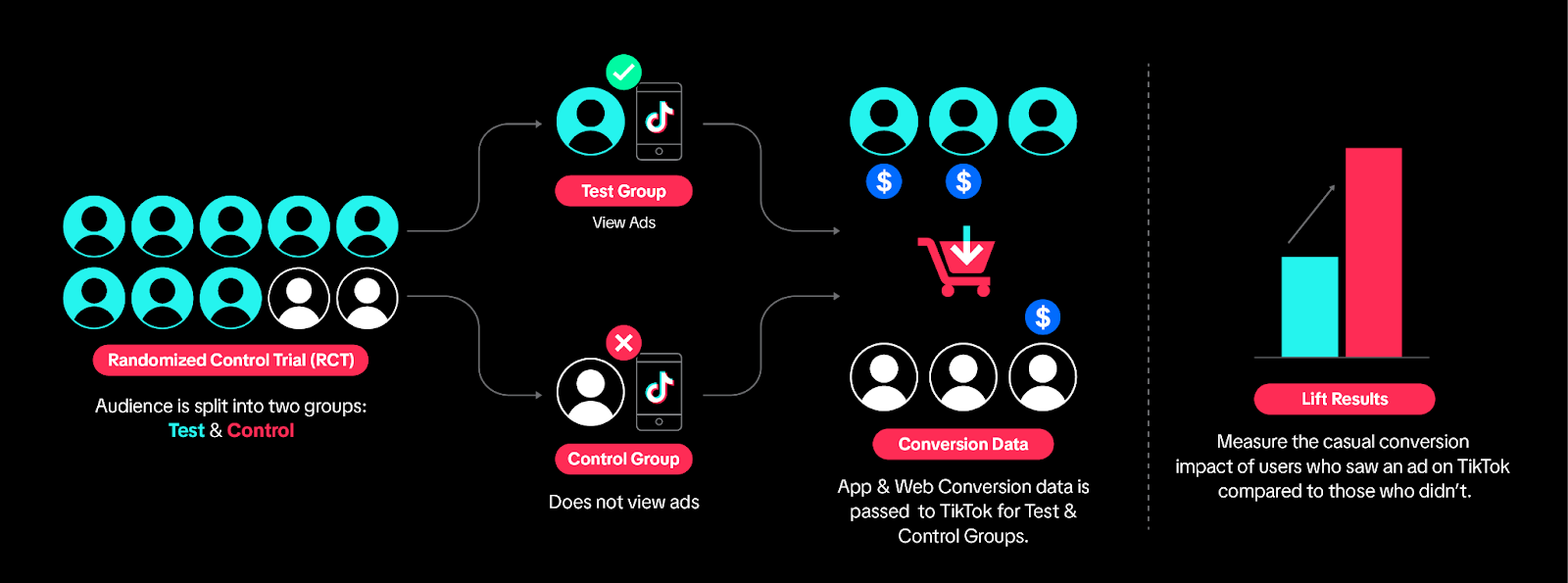
To prove impact with greater accuracy, TikTok offers Conversion Lift Studies. These studies compare a group exposed to your TikTok marketing or influencer campaign with a control group that didn’t see your ads.
The results isolate TikTok’s incremental effect on conversions, showing how much business growth is a result of the platform. As a brand looking to validate the influence of micro-communities, Conversion Lift provides you with some of the clearest evidence.
Third-Party Analytics Platforms
Third-party tools extend what TikTok’s native dashboards provide. They often combine data from multiple platforms, visualize performance trends, and add features like competitive benchmarking.
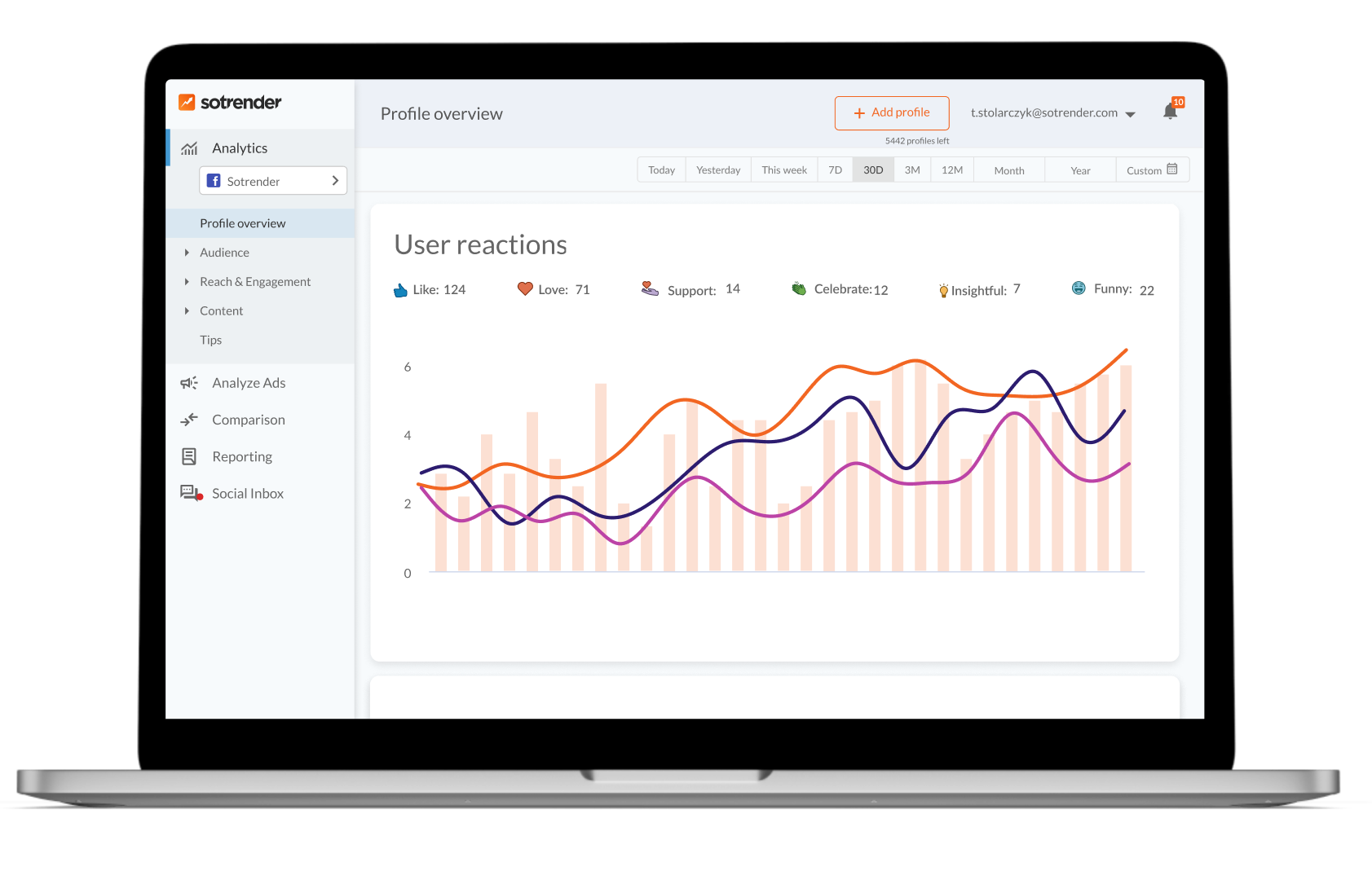
Sotrender’s TikTok analytics tool, for example, gives a detailed breakdown of follower growth, engagement patterns, and audience behavior.
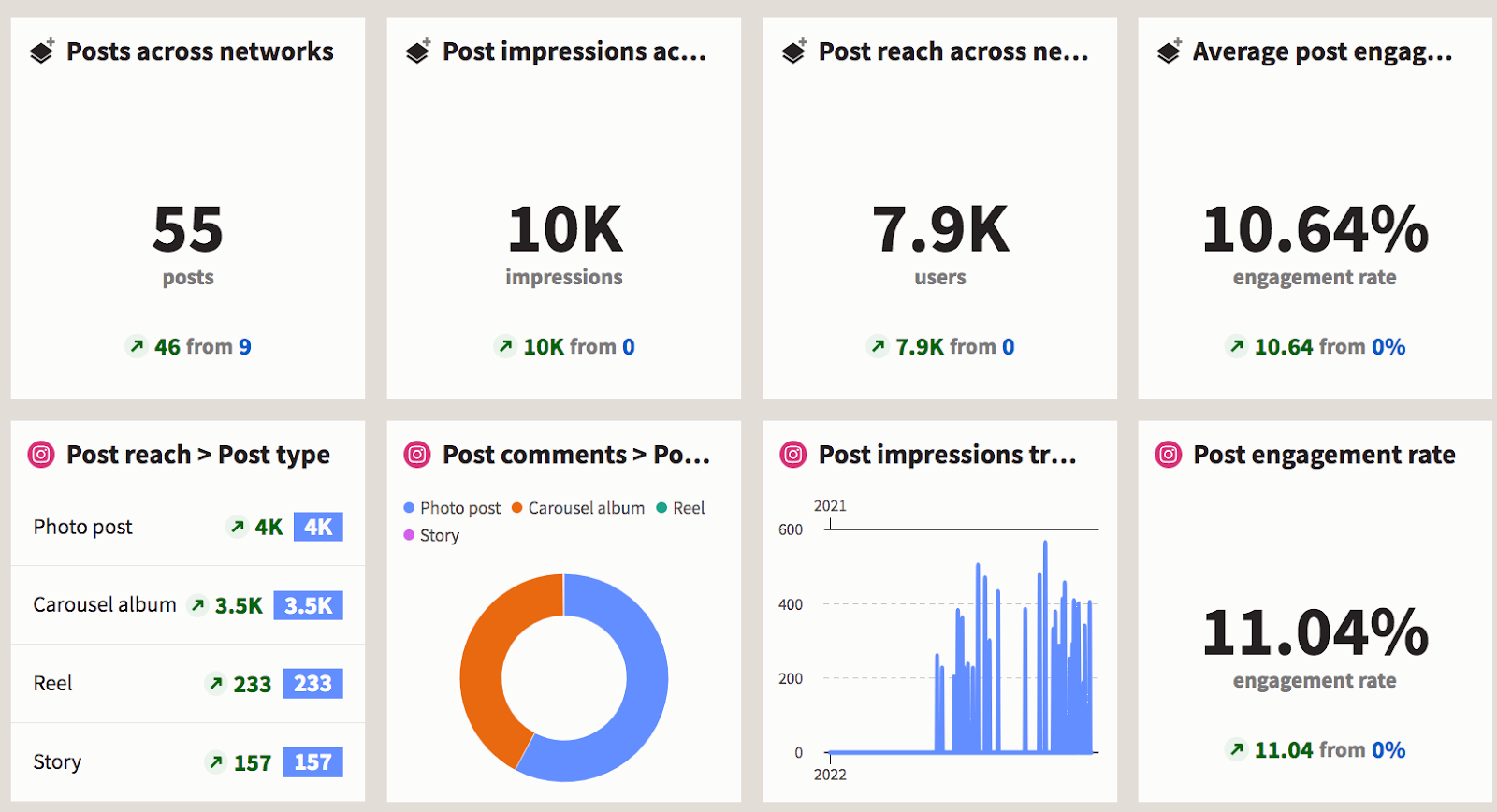
It also makes it easier to track historical data and export reports for deeper analysis. Using a platform like Sotrender alongside TikTok’s native analytics tools helps marketers capture both the big picture and the fine details of how micro-communities contribute to growth.
Real-World Examples That Connect Data to Brand Growth
Metrics and tools only matter if they link to outcomes that drive your business forward. You must be able to tie awareness, engagement, and conversion data to broader goals.
Let’s look at some examples of how real brands did it.
Awareness to Brand Lift
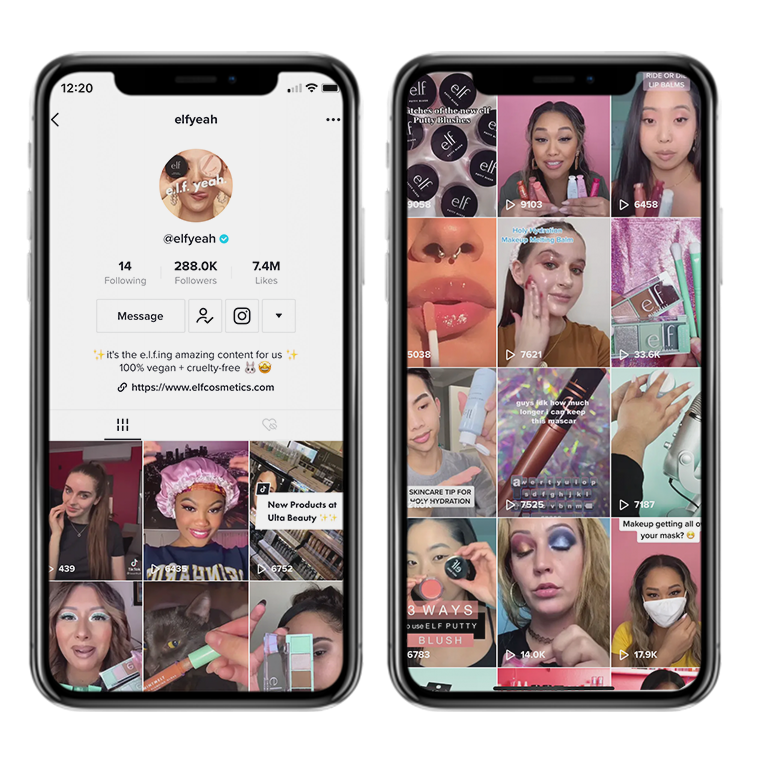
TikTok’s Conversion Lift Studies have shown that creator-led campaigns often produce measurable awareness gains in the first few days of exposure. e.l.f. Cosmetics tapped into beauty micro-communities with the #eyeslipsface campaign.
The hashtag hit over 4 billion views and pushed e.l.f. to the top of TikTok’s beauty category, showing how quality niche communities can drive mainstream awareness, especially among Gen Z audiences.
Engagement to Loyalty
High engagement rates, strong watch time, and repeat interactions all point to loyalty. Brands that demonstrate expertise within micro-communities can build deeper trust and long-term loyalty among their followers.
The NBA uses TikTok to highlight behind-the-scenes content and player interactions. By focusing on micro-communities of basketball fans, they average millions of likes per post and keep fans consistently engaged even outside of game broadcasts.

Conversions to ROI
Click-throughs, purchases, and attributed sales provide the clearest connection to revenue.
Gymshark built its U.S. audience largely through fitness micro-communities on TikTok. By tracking conversions with TikTok Pixel, they connected creator-led campaigns directly to sales growth.
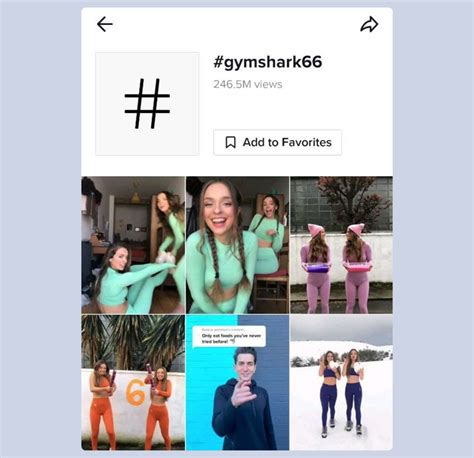
This helped them expand into new markets faster than traditional campaigns would’ve allowed.
Turning TikTok Micro-Community Insights into Growth
Tracking TikTok micro-communities is all about connecting awareness, engagement, and conversions to clear growth outcomes.
With the right mix of analytics, tools, and real-world testing, you can see exactly how niche audiences shape brand perception and customer behavior.
The next step is to apply what you’ve learned. Measure the metrics that matter, experiment with content creation tactics inside the creator communities that align with your brand, and refine your approach as the data points you forward. Brands should continue to explore emerging micro-communities and new strategies to stay ahead in the dynamic social media landscape.
A consistent focus on meaningful analytics keeps your TikTok marketing playbook relevant and positions your brand for steady growth. The future of TikTok micro-communities will see their influence grow even further, shaping brand growth and marketing strategies in powerful new ways.
Ready to see how your TikTok micro-communities are propelling your brand? Try Sotrender’s analytics tools to get the insights you need to stay ahead on the platform.