


Scroll through TikTok for a few minutes and you’ll see dance trends, viral memes, and quick tutorials. What you probably won’t expect is it being a hub for social commerce, with 34% of people using TikTok for brand research, according to one survey.
Even more unexpected is a B2B brand making a splash. But the reality is changing fast. TikTok’s reputation as a purely Gen Z playground is outdated—while gen z users remain a key demographic driving trends and engagement, the platform’s appeal is expanding to broader audiences. B2B companies are beginning to realize it might be a serious tool for awareness, lead nurturing, and even conversions. TikTok for B2B marketing is emerging as an effective strategy for reaching new audiences beyond traditional channels. The question isn’t whether TikTok can work for B2B—it’s how you make it work by understanding the unique nature of the social platform.
TikTok’s Evolution Into a B2B Social Media Platform
For years, TikTok was synonymous with consumer trends. Businesses focused on younger audiences—fashion, gaming, food—dominated the landscape. But TikTok’s algorithm doesn’t favor big budgets; it favors relevance and creativity. This shift opens the door for B2B firms that once dismissed the platform as “not for us.” The audience is broadening too: Millennials now make up a significant portion of TikTok’s users, and they’re decision-makers in many industries.
B2B brands can position themselves as thought leaders by presenting complex information in digestible formats. TikTok thrives on bite-sized content, making it an ideal medium for turning a whitepaper’s worth of insights into quick, engaging videos. Short form content and vertical videos are essential for maximizing engagement on TikTok, as the platform is designed to showcase quick, visually appealing clips that fit seamlessly into users’ feeds. Grammarly did this amazingly, targeting both college students and companies, while teasing what other things people can do with their app in the next couple of videos.

The other edge TikTok provides is a unique, free market-like approach to who gets the most traction. It simply gives people more of what they like and what the algo thinks they’ll like. The personalized feed surfaces relevant content to each user based on their interactions, making it crucial for B2B brands to develop a strong tiktok content strategy that aligns with their audience’s interests. And when you consider that more than 60% of PR experts believe traditional media to be biased, it’s no wonder that so many B2B buyers nowadays want clean, organic campaigns, instead of slapping on a Google Ads campaign and calling it a day.
Why TikTok Captures B2B Audiences Differently
Traditional B2B marketing lives on LinkedIn, email campaigns, and gated content. TikTok disrupts this formula because it pushes discovery over targeting. Instead of painstakingly segmenting audiences, the algorithm serves your content to users who have shown interest in related topics, pushing your engagement rate upwards despite the lack of previous interactions. For B2B, this means connecting with unexpected but valuable prospects. Understanding your target market is crucial when planning B2B campaigns on TikTok, as it helps tailor your approach to reach the right audience.
Video storytelling also creates an emotional hook. A logistics company posting a behind-the-scenes look at supply chain innovations or the best fuel cards for small business operations does more than advertise—it humanizes the brand. When you peel back the corporate layer, you earn trust, which is the currency of B2B sales cycles. Brands can create content that resonates emotionally with their audience, making their messaging more impactful and memorable.
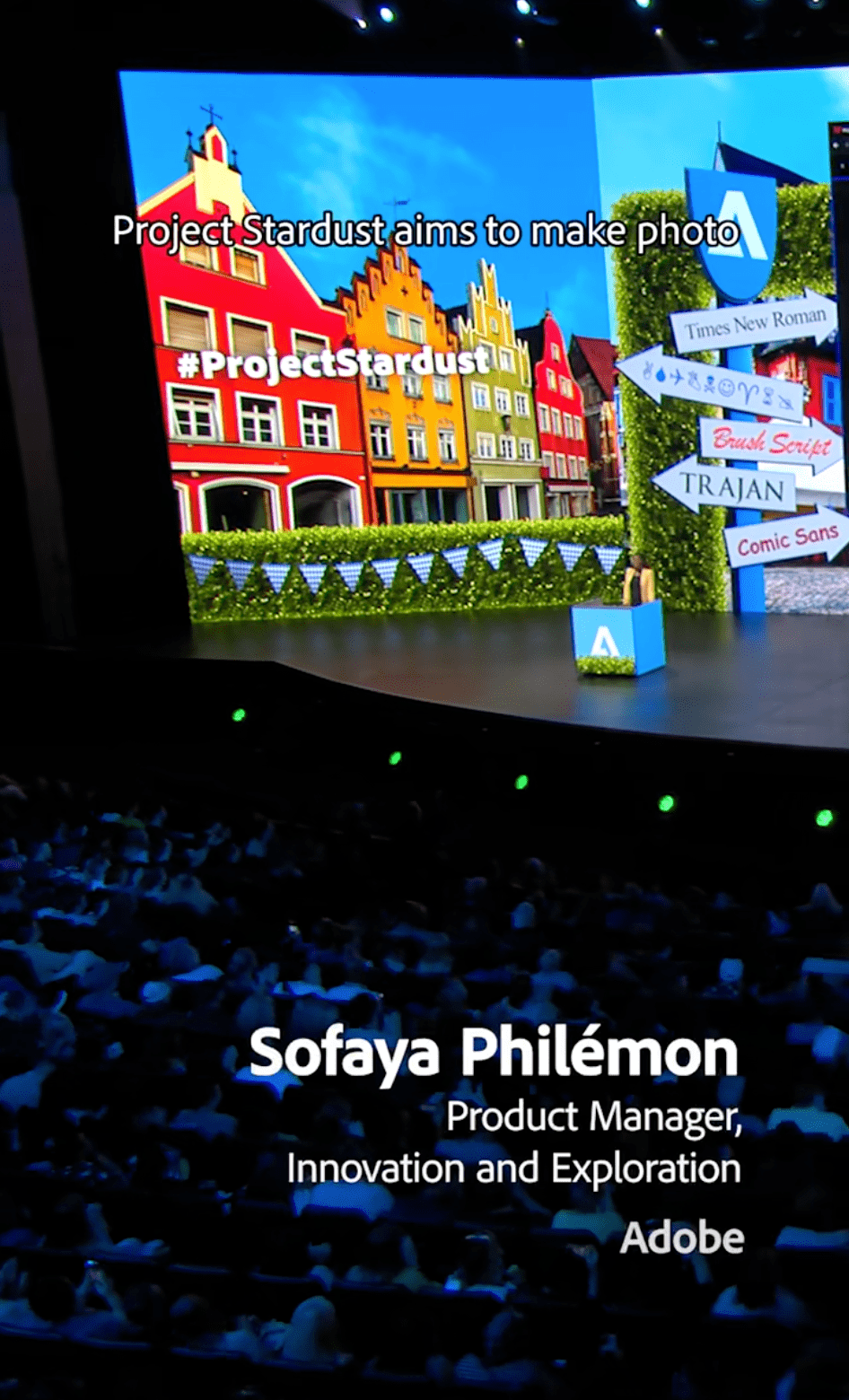
More importantly, TikTok also lowers the barrier for experimentation. A video can flop with little cost, but when one resonates, the amplification is immense. Virality on TikTok isn’t reserved for entertainers; it’s accessible to brands that can align expertise with cultural cues. Monitoring video trends and TikTok video trends allows brands to maximize their reach by tapping into what’s currently popular. Adobe does this perfectly. They combined webinar snippets, short tutorials and useful tips in a shrewd strategy that resulted in over 3 million likes total.
The platform rewards quick adaptation. Unlike traditional campaigns that require weeks of planning, TikTok favors agility—reacting to a trend in hours rather than days. B2B brands willing to embrace that speed benefit from increased visibility and a sense of being in tune with their audience’s cultural moment by creating videos that align with current trends and audience preferences.
Types of B2B Content Strategy That Thrive on TikTok
Key content focuses for B2B TikTok include sharing valuable tips, success stories, and showcasing company culture to engage audiences and build trust.
Not every B2B idea translates well into a 15-second video. But the platform is surprisingly versatile when matched with the right approach. This can mean:
- Educational snippets work exceptionally well. Think “explain it like I’m five” videos that demystify jargon-heavy industries. A fintech company can summarize a market shift in a short, animated clip, while a marketing automation brand can showcase a quick hack for campaign optimization. Educational content and product tutorials are also valuable approaches for teaching audiences about your offerings.
- Behind-the-scenes content gives prospects a sense of the people and processes that drive your company. Culture-focused clips—such as team highlights, office humor, or Q&A sessions—build relatability, which helps in industries where trust drives decision-making. Highlighting your company’s values and office culture in these videos can further humanize your brand.
- Case studies also take on new life when presented visually. Instead of a PDF, you can showcase before-and-after scenarios through storytelling that’s snappy and sharable. Sharing success stories and testimonial videos are effective formats to build credibility and influence potential buyers.
- Partnerships with creators add another layer. Niche influencers exist in nearly every sector, and their endorsement can build credibility with audiences outside your direct reach. Influencer marketing can amplify your brand’s reach and foster authentic engagement through collaborative content.
Product demo, product demos, and demo videos are excellent ways to showcase your offerings, provide tutorials, and illustrate product features directly on TikTok.
For example, an analytics software brand might collaborate with a productivity influencer to demonstrate how the platform saves time. This blend of authority and reach creates visibility in circles where traditional B2B ads would be ignored.
The variety of formats—duets, stitches, voiceovers—means B2B marketers can experiment with tone. You might lean into relatable content, humorous content, or even create viral TikTok videos to simplify a technical concept or boost engagement. That flexibility makes TikTok less about the industry you’re in and more about how creatively you can tell your story.
It’s also important to share videos that highlight your brand’s story, brand’s personality, company’s personality, and brand personality to foster a deeper connection with your audience.
Small business, small businesses, and small business owners can leverage TikTok for growth by sharing their experiences and connecting with their communities—Square’s TikTok is a great example of supporting and promoting small businesses through creative content.
The rise of B2B TikTok and B2B marketing on TikTok demonstrates how modern brands are using the platform as an effective strategy to reach professional audiences. To establish authority and trust, always share valuable tips in your TikTok videos.
Overcoming the Challenges of B2B on TikTok
Of course, the platform isn’t without obstacles for B2B brands. The biggest hurdle is internal skepticism. Executives may still view TikTok as frivolous or irrelevant, especially in conservative industries. Overcoming that mindset requires evidence of ROI, which can be shown through metrics like brand recall, engagement rates, or increased inbound inquiries from unexpected audiences.
Another challenge lies in striking the right tone. Too casual, and you risk losing authority; too rigid, and you’ll miss TikTok’s essence. The sweet spot comes from mixing expertise with accessibility. That’s what Monday.com did by exporting parts of their podcasts into minute-long TikTok videos. The tone is approachable, the topics familiar, and the guests charismatic. That’s a win in my book.

Content production also poses a resource question. Unlike highly polished campaigns, TikTok thrives on authenticity and user-generated content (UGC). That means lower production costs but higher creative demands. Teams must stay plugged into trends daily, ready to respond quickly. For some B2B companies, this requires new workflows and a willingness to decentralize content creation to employees who are active on the platform. Some brands also supplement their organic efforts with paid ads, such as Spark Ads, to boost visibility and reach.
Finally, measurement is still maturing. Unlike LinkedIn, where lead gen forms can tie directly to sales pipelines, TikTok’s attribution is significantly less linear. Success often comes in the form of brand visibility and softer touchpoints in the buyer journey. This doesn’t make the platform less valuable, but it requires setting the right expectations with leadership.
Measuring Success: Metrics That Matter for B2B
To get the most out of your TikTok marketing efforts, it’s essential to track the right metrics and use them to refine your content strategy. For B2B brands, success on TikTok goes beyond just views and likes. Key performance indicators include engagement rates (such as comments, shares, and saves), website traffic driven from your TikTok presence, lead generation, and ultimately, conversion rates.
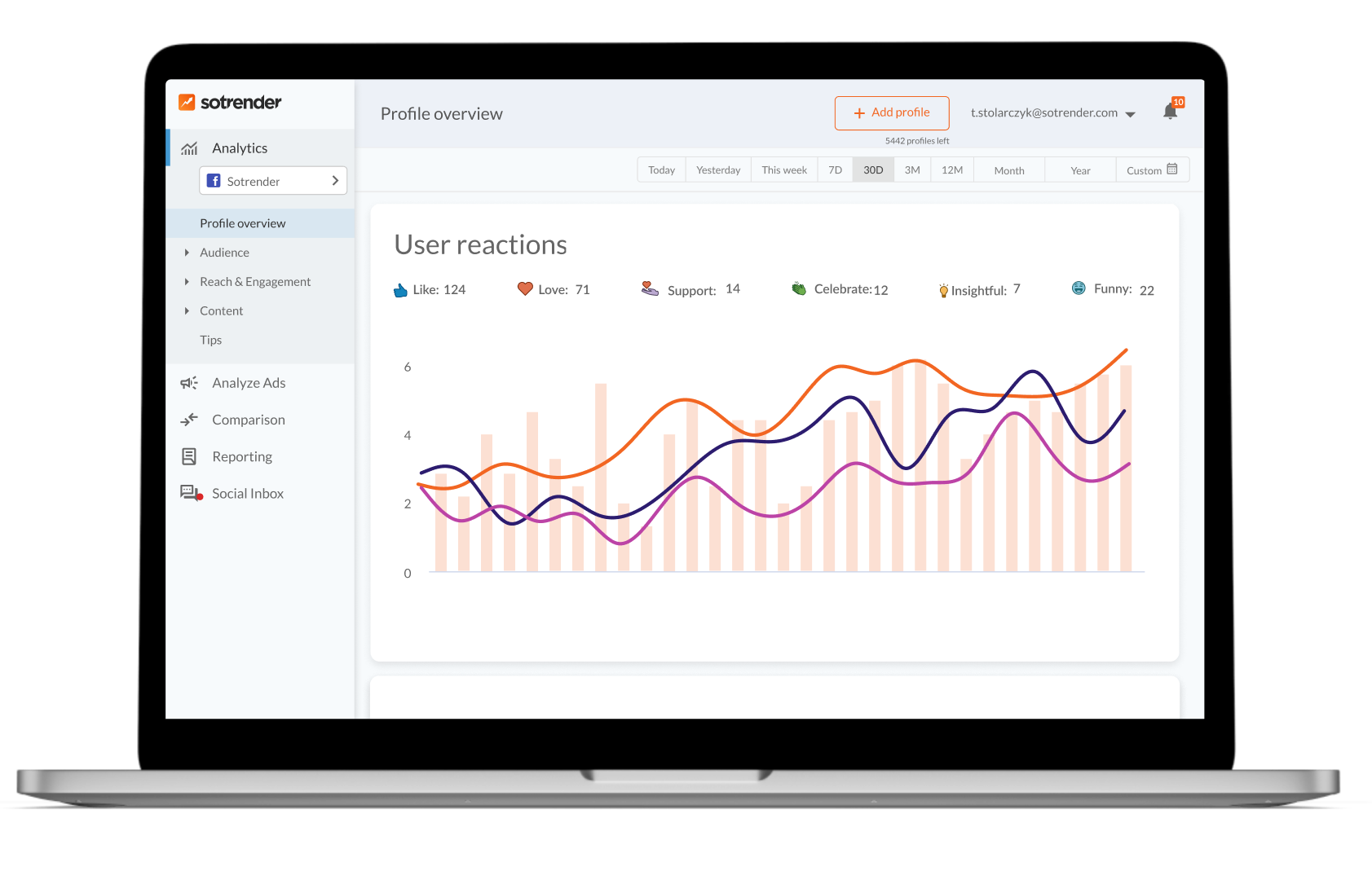
TikTok’s built-in analytics tools make it easy to monitor your account’s reach, impressions, and user interactions. By analyzing which types of content perform best, you can adjust your content strategy to focus on what resonates most with your audience. For example, if a particular TikTok video drives a spike in website visits or generates more inquiries, you can double down on similar topics or formats. Regularly reviewing these metrics ensures your TikTok marketing remains agile, effective, and aligned with your broader business goals.
Sotrender also offers valuable metrics to understand your TikTok performance, track audience behaviors, and fine-tune your strategy.
- Try it free for 7 days
- Look into historical data
- Securely grant access to collaborators
The Strategic Advantage of TikTok in B2B Marketing
When used strategically, TikTok offers an edge that few other platforms can replicate: cultural integration. B2B companies often struggle to stay relevant in conversations that move at lightning speed. TikTok bridges that gap, giving brands a channel to embed themselves in real-time discussions. That positioning is invaluable when building long-term trust.
TikTok also diversifies the B2B marketing mix. Relying solely on LinkedIn or Google Ads leaves brands vulnerable to saturation and rising costs. Adding TikTok broadens reach while injecting creativity into the funnel. Where else could you make meme videos with cha-ching sounds in the background? Shopify concurs. Even B2B audiences have a sense of humor, after all.

But perhaps the most underrated advantage is employer branding. B2B firms compete fiercely for top talent, and TikTok offers a platform to showcase culture, values, and expertise in ways that resonate with candidates. Whether it’s lighthearted jokes or thought leadership, a strong employer presence can indirectly strengthen client acquisition by signaling stability, innovation, and authenticity.
The companies succeeding on TikTok don’t treat it as a side experiment; they integrate it into broader campaigns. Content themes are consistent across channels, but TikTok provides the creative spark that energizes the whole strategy. In an era where attention is scarce, that spark often makes the difference.
So, Should B2B Brands Embrace TikTok?
TikTok isn’t just for dances and memes anymore—it’s a stage where B2B brands can build awareness, credibility, and even nurture leads. The brands that thrive are those willing to loosen their grip on rigid professionalism and embrace storytelling that feels human. Is it risky? Sure.
But the bigger risk is ignoring the platform while competitors carve out early advantage. TikTok for B2B doesn’t just work; it works when you lean into its strengths: creativity, relatability, and speed. If you want to meet audiences where they spend their time, TikTok might be your most unexpected ally.