
Every week, I see good social media content go nowhere because it’s invisible. Algorithms can change overnight. Therefore, what worked six months ago may not have the same impact today.
In digital marketing, I’ve learned the value of timing, format, and trend awareness. That’s why I stay focused on one thing: keeping up with what works right now.
In this post, I’m sharing seven social media trends for maximum visibility. If you want your content to drive real reach, engagement, and results, this is where you should start. Content marketing plays a crucial role in supporting these goals by helping brands grow their online presence, improve conversions, and build stronger audience engagement through strategic content creation and distribution.
- 7 days for free
- No credit card required
- Access to all premium features
1. Short-Form Video Still Rules
TikTok, Instagram Reels, and YouTube Shorts continue to lead the way in terms of visibility and engagement. Short-form video is now the most engaging content format across these platforms, driving audience interaction and brand growth.
A recent study found that 44% of consumers prefer learning about a product or service through video. Why? Because it works.
Short-form videos are quick to create, highly shareable, and favored by search engines and social media algorithms.
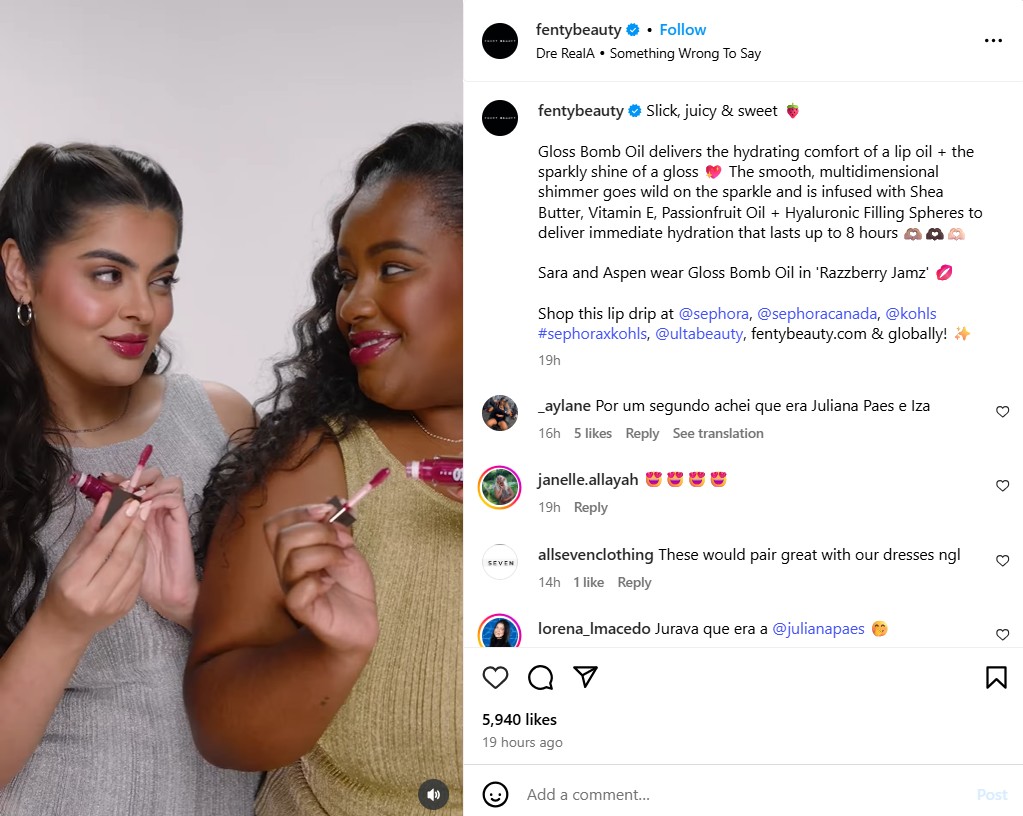
One great example is Fenty Beauty. The brand posts Reels featuring real people using its products. The videos consistently rack up views and comments, helping the brand stay top of mind. Creating and sharing engaging videos is crucial for attracting and retaining followers, especially on platforms like Instagram and Facebook.
To benefit from this social media trend and get maximum visibility, ensure your videos are between 15 and 30 seconds long. You can focus on one product or benefit per video to avoid overwhelming your target audience. Brands should create videos that leverage trending topics and cultural moments to maximize reach and relevance.
Keep it visual, keep it fast, and always add captions so viewers can watch with the sound off. Video content is becoming increasingly important in social media marketing strategies, making it essential for brands to adapt and prioritize this format.
2. AI-Powered Content Is Now Data-Driven
Utilizing AI tools is now among the most effective social media trends for achieving maximum visibility. Beyond copywriting, you can use AI to manage social media customer service. AI is revolutionizing content creation by automating and scaling the process for social media managers, enabling them to create content more efficiently and consistently. The responses are conversational and use a human-like tone.
This AI feature draws on knowledge from the FAQ section or product listings on your online store. Customer service tools, such as Zendesk, timetoreply, and their alternative tools, help brands automate their customer service processes via email, chatbots, and self-service portals.
Sephora uses AI-powered chat to answer product questions on social media. This improves the customer experience and engagement even outside regular business hours. Marketing leaders are also adopting AI tools to create content more efficiently and keep their teams agile in a fast-changing environment.
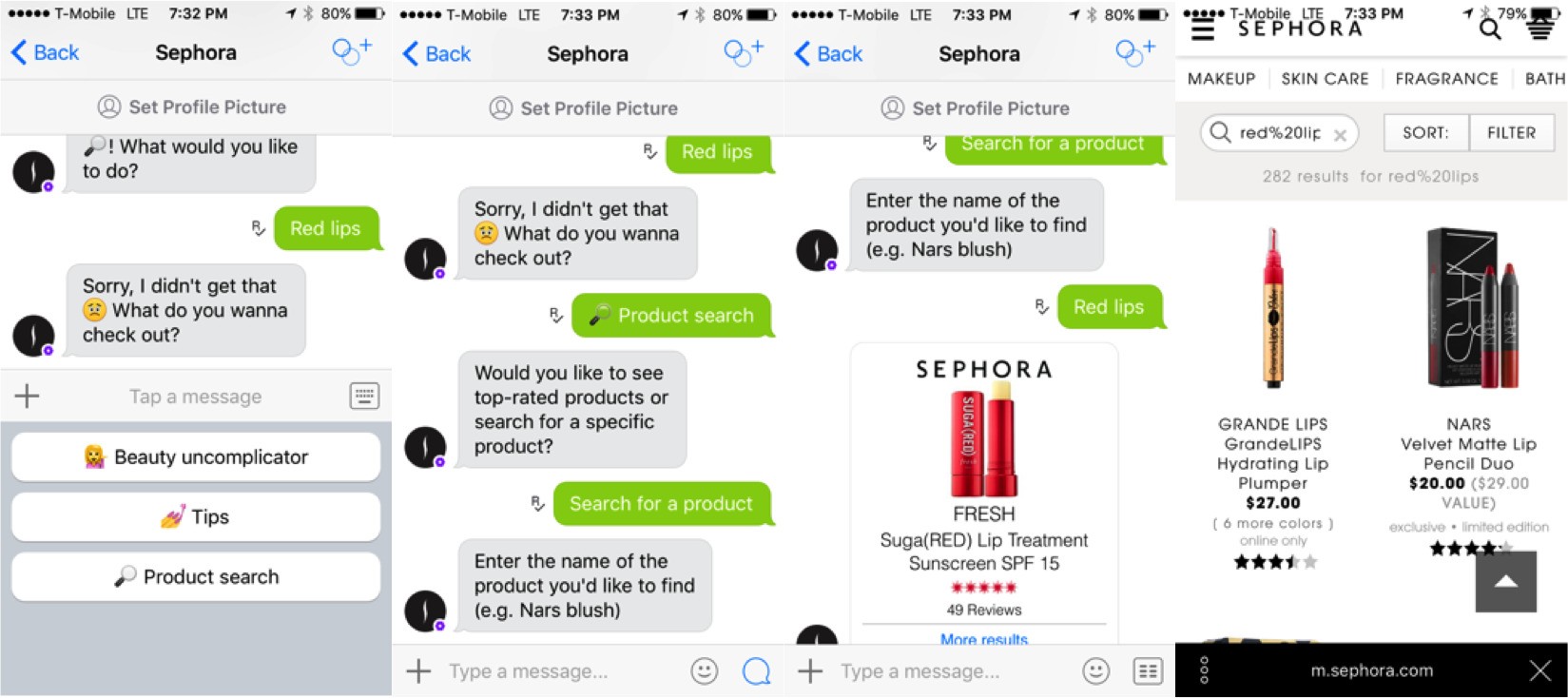
Additionally, you can use AI social listening tools to track sentiment in real-time. You’ll find out what customers are saying about your brand and its competitors. Social data provides actionable insights for social media managers to refine their strategies and make data-driven decisions. LinkedIn is the ideal social media platform for generating qualified leads if you follow the right strategies.
If someone isn’t happy with a competitor’s product, that’s an opportunity for you to showcase how great yours is and encourage them to try it instead. AI tools can also generate images for social media posts, helping brands keep up with the high demand for visual content.
3. Social Commerce Is Getting Smarter and Faster
Facebook launched its Marketplace feature in 2016, allowing people to buy items from vendors within their local area. Therefore, selling directly on social media isn’t a new concept. However, it’s becoming increasingly popular, especially with TikTok leading the charge.
The rise of shoppable videos means users can now find and buy products as they scroll. As a result, TikTok Shop has turned casual content into a full-blown sales channel. Brands are now leveraging multiple channels, including Facebook, Instagram, and LinkedIn, to maximize reach and sales through integrated social commerce strategies.
Pinterest isn’t left out, as sellers can increase sales by inserting purchase links on pins. This makes it easy for customers to view products and then add them to their cart. The growing importance of social media ads is evident, as targeted campaigns on platforms like Pinterest, Facebook, and Instagram are driving conversions and supporting social commerce.
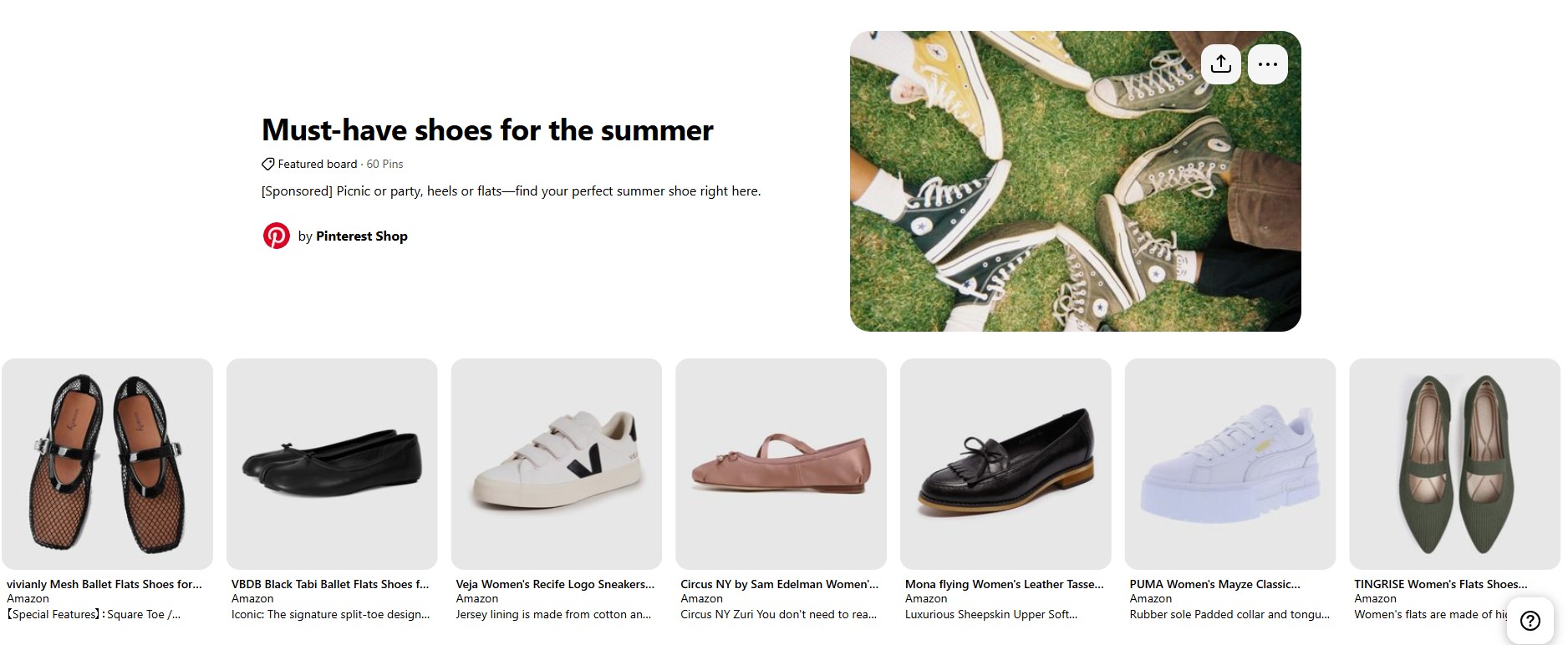
This shift is one of the most practical social media trends for achieving maximum visibility. You can simplify the shopping experience from start to finish, so customers don’t have to jump between platforms.
As Sales professionals recommended, Sandler sales practices are a perfect methodology that helps build trust among your prospective customers towards your brand. Social media influencers can help you build trust using their influence.
Performance marketing is also helping brands track and optimize their social commerce efforts for measurable business outcomes.
4. Social Media Search Is Changing How People Discover Content
A joint study by Forbes found that 24% of people use social media as their primary search tool. So, instead of Googling, many users search for answers, ideas, or brands on TikTok or Instagram. This shift is driven by the rise of social search, where platforms use social activity and content tagging to help users discover information in new ways.
That makes content discoverability one of the most important social media trends for maximum visibility in 2025. So, think about what your audience would type in a search bar. Use those keywords in your captions, descriptions, and hashtags.
Another type of optimization that’s becoming increasingly popular is voice search. By 2026, 157.1 million people will use voice search regularly. This means you have to focus on natural language and question-based keywords in your captions. Addressing user queries directly in your content can significantly improve your visibility in social search results.
For instance, a quick search on Pinterest for “Best hairstyles for women” yielded several related search queries. These are more likely to match spoken queries. Businesses can also leverage searchable map features on platforms like Instagram and TikTok by using location tags and area-specific hashtags to boost local discoverability.
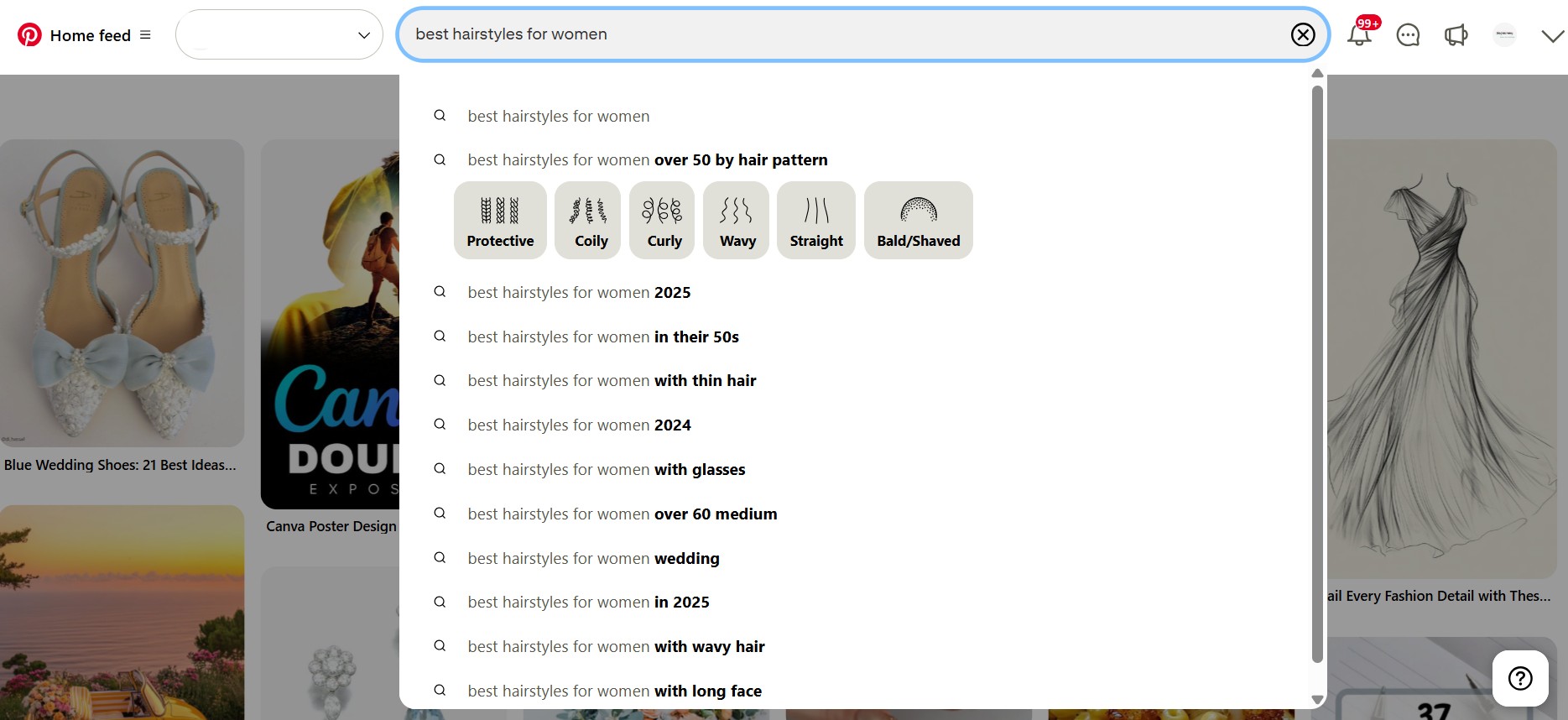
This approach is crucial when starting a business, and you need to establish an online presence from the ground up. The key is to write like your audience talks. Also, include conversational phrases and specific keywords that align with user intent.
The New York Times has also highlighted how social platforms are becoming important search engines, recognizing this shift in how users discover content online.
5. User-Generated Content Is Gaining More Ground
User-generated content is any content your followers create that’s related to your brand. UGC can be photos, videos, reviews, or stories.
In 2025, UGC will continue to be one of the most authentic and cost-effective social media trends for maximum visibility. That’s because people trust people. Authentic content builds trust and credibility with audiences, making your brand more relatable and genuine.
Content created by real users feels more relatable, trustworthy, and can drive engagement. You can also repurpose it across campaigns without the heavy production costs.
GoPro’s Instagram feed is built around user-submitted content, capturing their adventures with a GoPro camera. It showcases the product in action while building a strong community-driven brand image. Unlike recognizable personal brands, UGC creators are everyday users whose authentic content adds value without relying on influencer status.
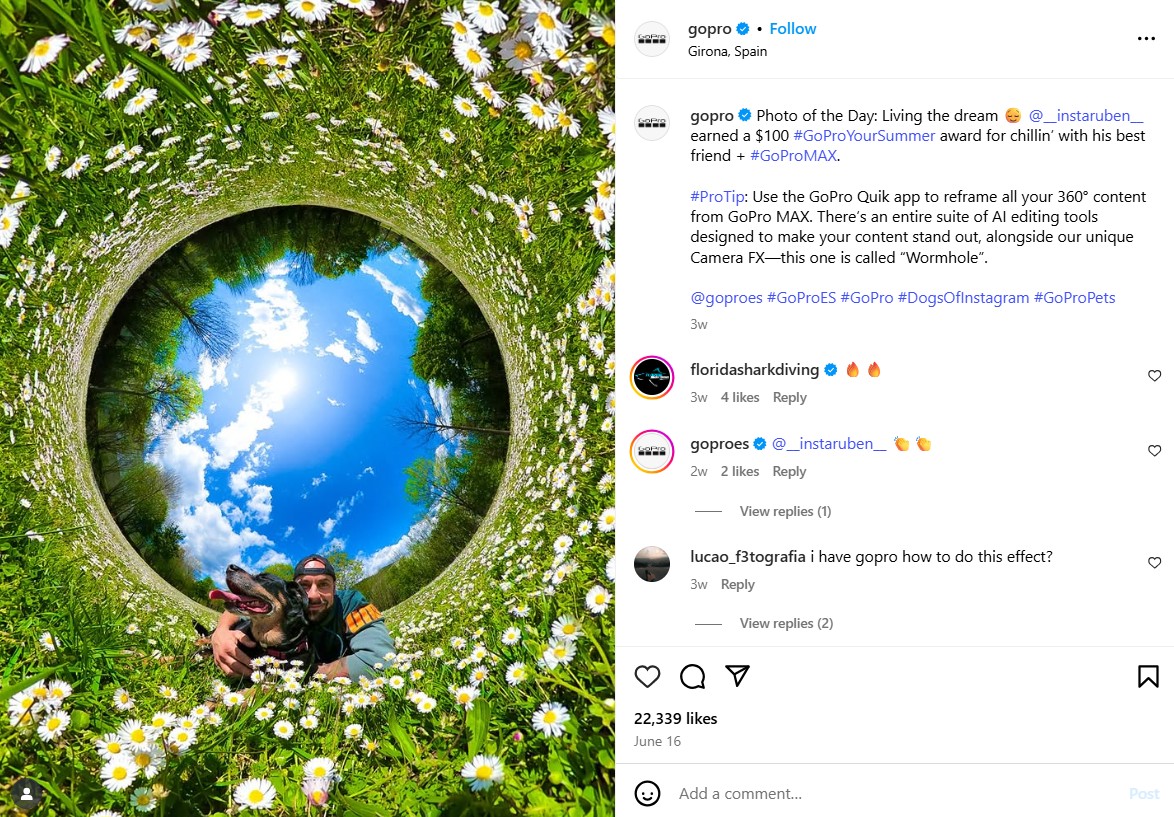
As a social media manager, featuring UGC gives your followers a reason to engage and turns them into loyal advocates. Go ahead and create a branded hashtag, ask for submissions, and reshare outstanding content with proper credit. Maintaining brand consistency when curating and sharing UGC across different social platforms is essential for cohesive brand recognition.
6. Ad Targeting Gets Smarter with First-Party Data
With the decline of third-party cookies, paid social media has become trickier to navigate. That’s why ad targeting with first-party data is now one of the most important social media trends for maximum visibility.
This data refers to the information you collect directly from your audience. It can be through website activity, email signups, surveys, and social interactions.
You can use it to segment your audience into specific groups and personalize your messaging based on user behaviors and preferences. This makes your marketing campaigns more relevant and more effective. More marketers are moving beyond vanity metrics like likes and shares, focusing instead on data that drives real business outcomes.
To go a step further, solutions like Sotrender Ads Optimization can help you get even better results from this data. It uses AI to recommend the most cost-effective ad settings for your audience.
This means you can reach the right people while staying within budget. The more relevant your ads, the more visibility and ROI you’ll get from every campaign. Increasingly, brands are loosening traditional brand guidelines to experiment with more creative and effective ad content.
7. Memes Are Serious Marketing Tools Now
Memes are casual internet humor but have evolved into high-performing content formats. They’re fast to produce, easy to share, and perfect for stopping the scroll, especially when they tap into shared experiences. Memes often leverage cultural moments to increase relevance and engagement, making them a powerful tool for brands looking to connect with audiences in real time.
Today, using memes strategically is one of the more unexpected social media trends for maximum visibility. They’re not just for B2C brands; even SaaS companies and B2B marketers are using humour in social media content to connect with audiences.
Ryanair, an airline company, regularly posts memes that poke fun at travel habits, customer complaints, and even its brand. Creative marketers are embracing memes as part of their content strategy, taking creative risks and adopting diverse voices to boost engagement and authenticity.
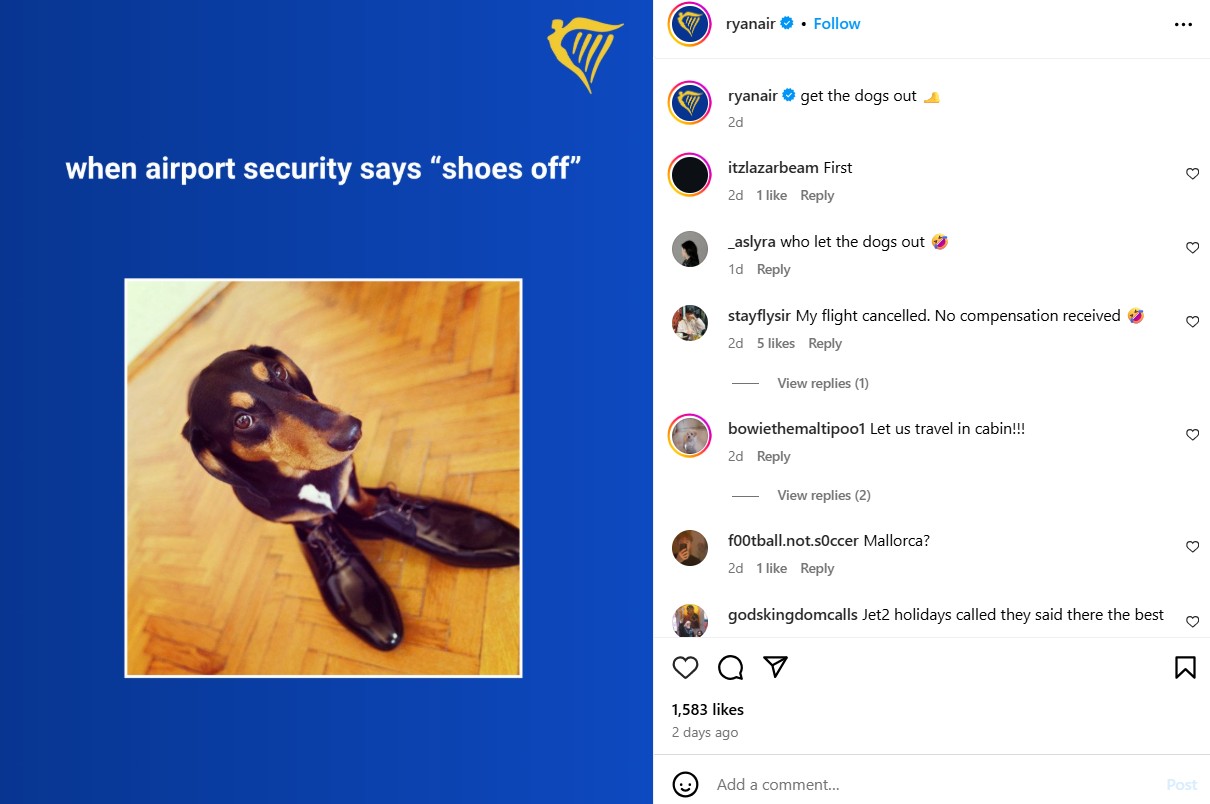
More than a quarter of social marketers now adjust their content based on trending memes and viral moments, highlighting the growing importance of trend-awareness in social media marketing strategies.
Final Thoughts
Staying visible on social media today requires clarity, creativity, and alignment with what works. Entertainment companies are adapting to new social trends by embracing both short-form and long-form video content, leveraging platforms like TikTok and Instagram to boost engagement and visibility.
From short-form videos to UGC and memes, these social media trends for maximum visibility are shaping how brands connect with their audiences in 2025. The growing popularity of on-demand webinars featuring industry experts is also helping marketers stay ahead of emerging social trends and refine their strategies.
You don’t need to use every trend at once. Start with what makes sense for your audience and goals. Test, adapt, and stay curious, because social media algorithms will continue to change, and so should your strategy.