

Social media has never been more crowded—or more full of potential. But with algorithms constantly shifting and user behavior evolving overnight, intuition and aesthetics alone won’t cut it anymore.
That’s where a data-driven social media strategy comes in.
Working with data means switching from guesswork to something more grounded. With the right approach, using data in social media marketing can give you the confidence to post with purpose, not just hope.
The Role of a Data-Driven Social Media Strategy
At its core, a data-driven strategy means using insights—not hunches—to shape every part of your social media presence. Social media strategy is a crucial component of digital marketing, helping brands connect with audiences and drive measurable results as part of a comprehensive online approach. It’s about asking better questions:
- What type of content actually resonates with our audience?
- Are we posting too much? Or not enough?
- Which platforms are worth the time (and budget)?
When done right, the benefits are hard to ignore. A social marketing strategy especially benefits from competitive analysis and planning, allowing you to refine your approach and better engage your audience. Ultimately, leveraging data-driven insights is key to building a winning social media strategy.
- 7 days for free
- No credit card required
- Access to all premium features
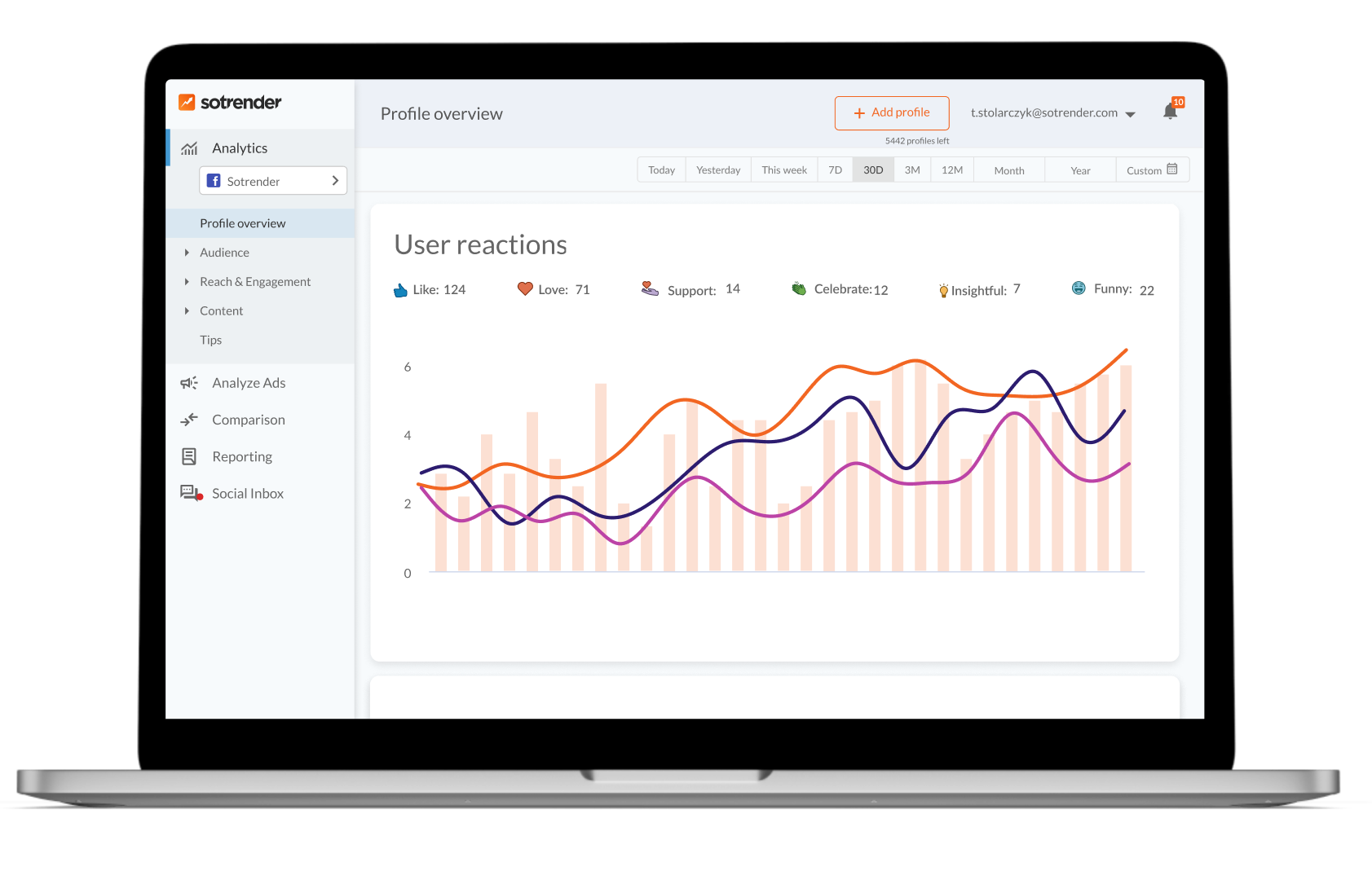
1. Better Understanding of Your Audience
Instead of building personas based on assumptions, you can use real data: demographics, engagement patterns, and even sentiment analysis to see who’s actually interacting with your brand. This approach is especially valuable for identifying and engaging younger audiences, whose preferences and behaviors may differ significantly from older demographics.
Take Spotify Wrapped, for example. It’s built on data analysis and marketing automation, but what makes it brilliant is how it turns raw listening behavior into emotionally resonant storytelling. Your strategy can do something similar, just on a smaller scale.
2. Improved Decision-Making
According to a study by McKinsey, businesses that use data to make marketing decisions are more than 20 times more likely to acquire new customers and 19 times more likely to be profitable. This highlights the importance of data driven decision making as a best practice in marketing.
3. Increased ROI
A well-oiled social media marketing strategy ensures your time and ad spend go further. You know what’s working. You double down on that. Simple. By tracking and optimizing for lead generation on platforms like LinkedIn and YouTube, you can directly increase ROI by attracting and converting more potential customers.
Brands like Glossier consistently outperform competitors on engagement because they track community responses obsessively, then adjust on the fly.
4. Measurable KPIs and Goals
When running campaigns on social media, it’s important to set measurable and specific goals. Performance metrics such as reach, engagement, click-through rates, and conversions should guide your strategy, but it is essential to define key performance indicators (KPIs) and key metrics that align with your business objectives to accurately measure social media success. Focus on meaningful metrics that reflect real progress toward your goals, rather than vanity metrics that may not provide actionable insights. To track success, regularly monitor these indicators and adjust your strategy as needed.
5. Optimized Budget Distribution
Knowing what delivers results lets you stop spreading your budget thin. Optimizing spend across multiple channels ensures you allocate resources where they have the most impact. Maybe it’s time to pause Twitter and shift focus to Instagram, where your CTR is higher. That’s the power of data-driven marketing.
A Guide on How to Implement a Data-Driven Social Media Strategy
Let’s break it down step-by-step. Not every brand needs every step at full force, but skipping too many? That’s a fast way to fall into “post-and-pray” mode. Having a clear social strategy is essential when implementing a data-driven approach, as it guides your planning, goal setting, and overall execution.
1. Understand Your Target Audience
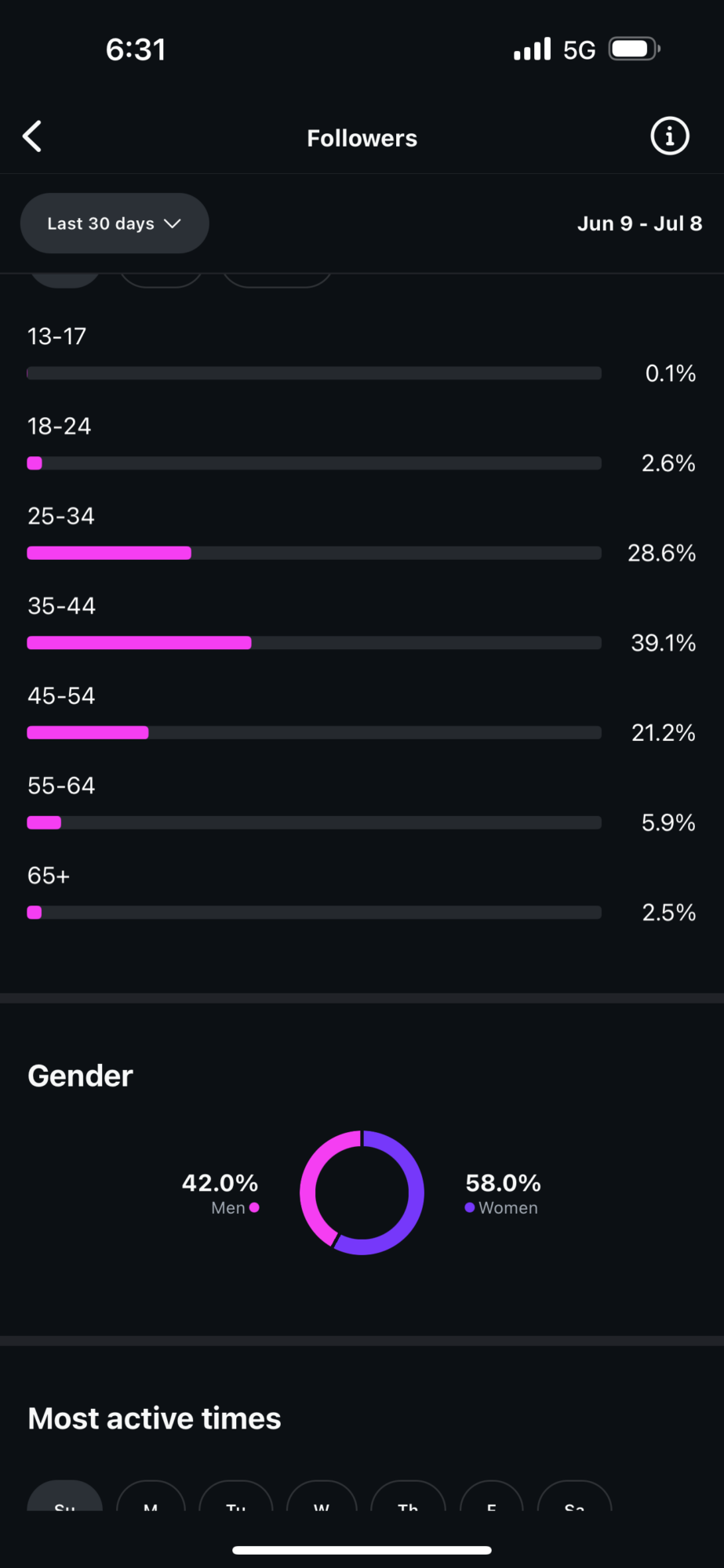
Start here, always.
While it’s essential to establish your audience persona even before going on social media, social media analytics tools like Meta Insights, YouTube Analytics, and even TikTok’s Creator Center can help you answer important questions about your target audience such as:
- Who’s engaging with your posts?
- What times are they most active?
- Which types of content get shared, saved, or commented on?
It’s important to analyze audience behavior across each social network to tailor your approach and optimize your content strategy.
Platforms like Sotrender offer even deeper dives, with heat maps and audience segment breakdowns.
Don’t be afraid to cross-check this with CRM data or Google Analytics. Your Instagram followers might be 70% Gen Z—but if your customers skew millennial, there’s a disconnect you’ll want to address.
Also: listen. Check comment sections, DMs, Reddit threads. This is data, too—just less quantifiable. Still matters.
2. Define Your Business Goals
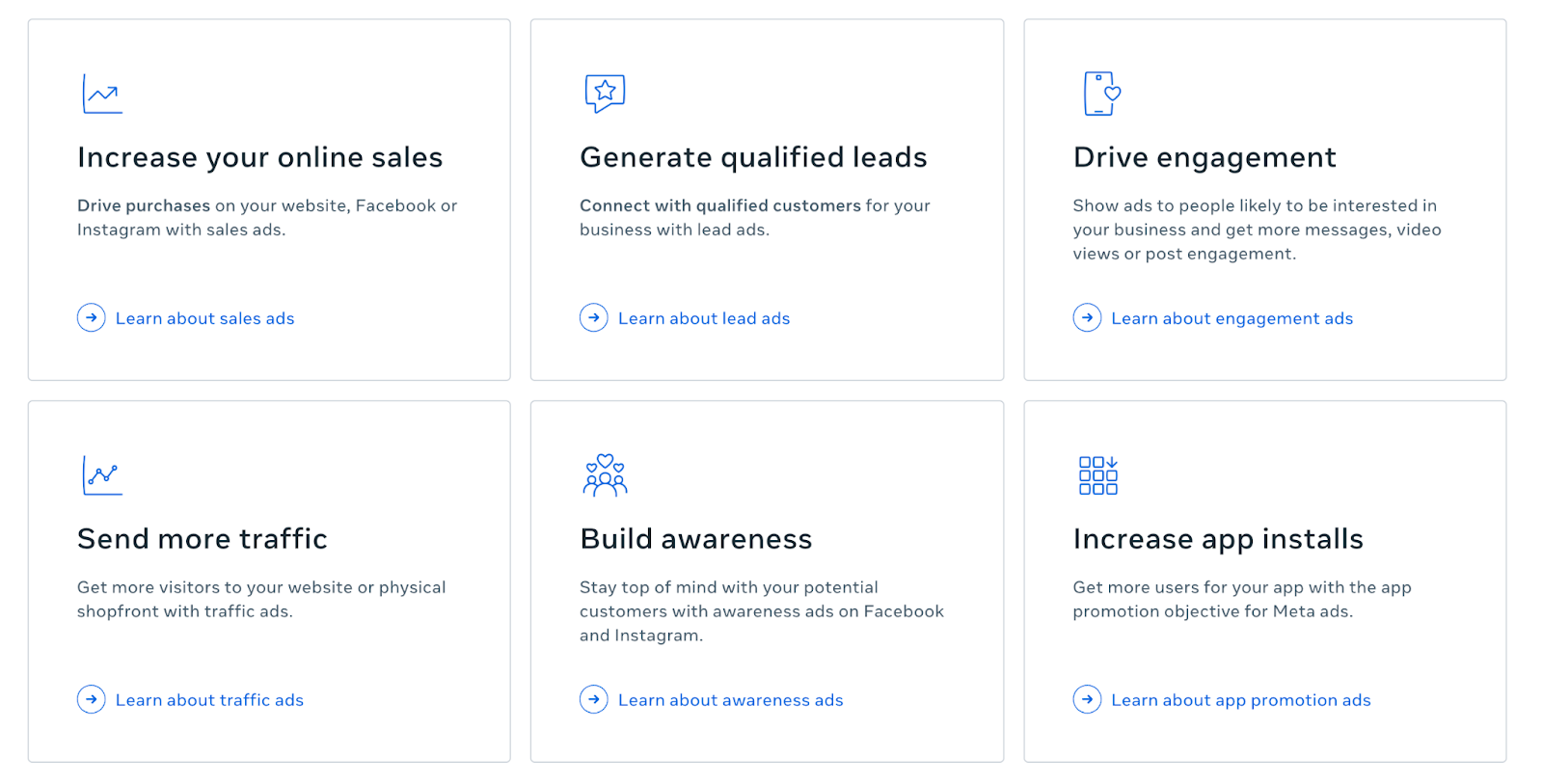
Social success depends on clarity. Are you trying to:
- Drive traffic to your website?
- Boost sales of a specific product?
- Build brand awareness in a new market?
- Generate leads for your business?
Each goal will shape what you track and define what success should look like.
For instance, if you want to scale your content, increase conversions, optimize for link clicks and purchases. But if it’s awareness? Focus on reach, impressions, and shareability. Nonprofits can apply the same approach by aligning social campaigns with donor engagement goals, as outlined in this guide on social media for nonprofits.
Don’t overcomplicate this part. Just align your social media marketing KPIs with actual business objectives and overall business priorities (Not vanity metrics). It’s also important to communicate progress and ROI to key stakeholders within your organization to ensure everyone is informed and aligned.
3. Focus on the Right Social Media Platforms
With social media, more isn’t always better.
With first-party data collection, it’s easy to understand your audience, its interactions and preferences. Let’s say your data analysis shows your highest engagement comes from Instagram Stories, while Twitter gets zero traction. Then why spend hours drafting X threads? This is especially important if you’re just starting out.
When choosing the right social platforms, consider your target audience and business goals to ensure your strategy is focused where it matters most.
A few real-world observations:
- B2B brands tend to shine on LinkedIn and YouTube.
- E-commerce and fashion crush it on TikTok and Instagram.
- Gen Z-focused brands? You’re probably already on TikTok—but don’t sleep on YouTube Shorts.
Pro-tip: Use tools like SimilarWeb or Sprinklr to compare channel performance at the industry level. Tracking audience growth rate on each platform is a key metric for benchmarking success and setting strategic goals.
Then make your move.
4. Develop Tailored Content for Various Platforms
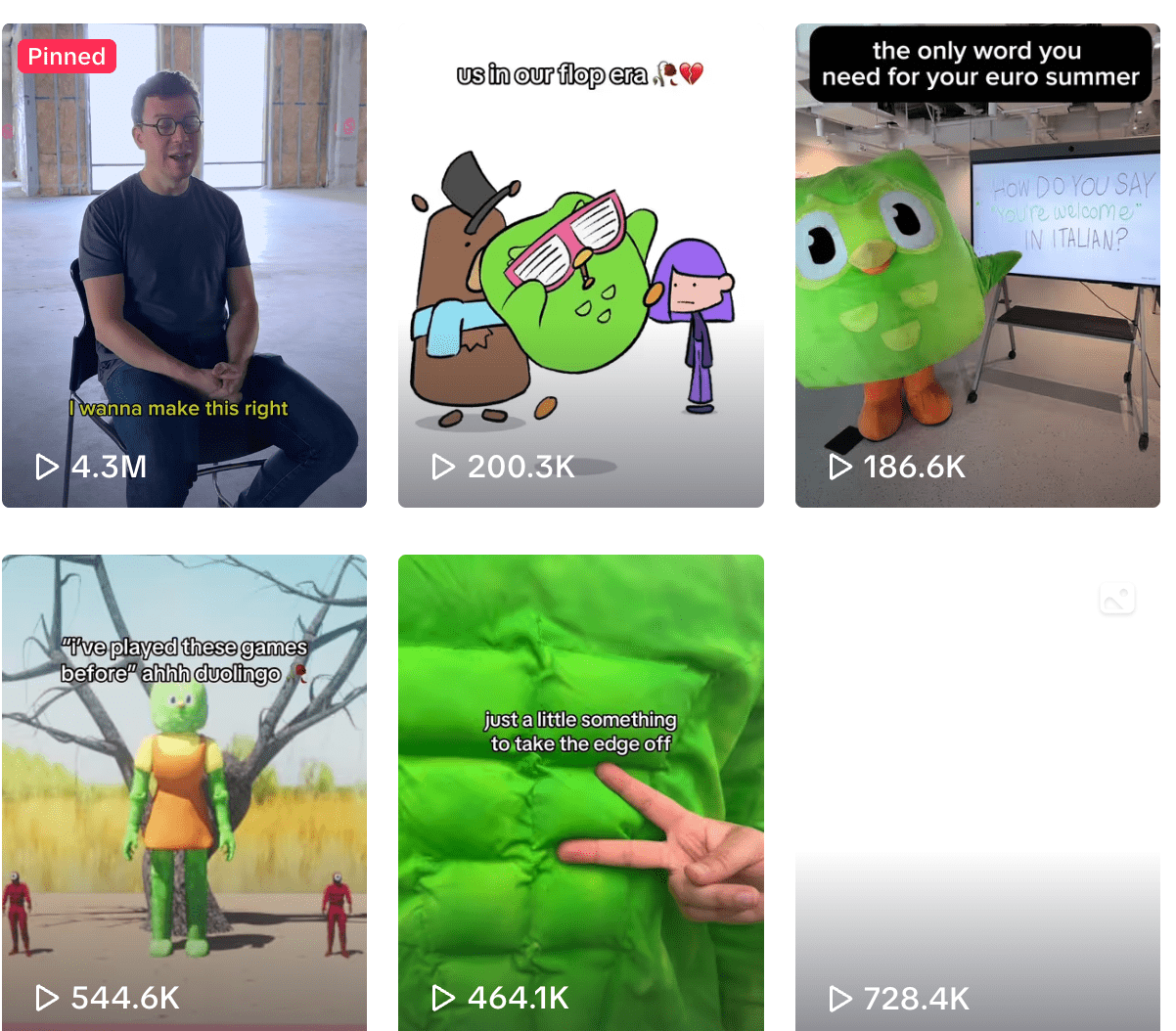
Each platform has its quirks. What thrives on TikTok (behind-the-scenes, fast cuts, trending sounds) may flop on Facebook. And long-form LinkedIn posts? Not exactly Reels material. Developing a cohesive content strategy is essential to ensure your content aligns with each platform’s unique audience and goals.
Here’s where using data in social media marketing pays off: you can A/B test thumbnails, captions, even post lengths. Then tweak accordingly. Maintaining consistency and organization is easier when you use a content calendar, which helps you schedule posts, monitor performance, and adjust your approach as needed.
Look at Duolingo’s viral social media strategy: their owl mascot posts absurd, highly meme-able content on TikTok because they noticed humor and viral trends drove engagement. On LinkedIn, though? Their tone shifts to professional updates and partnership highlights, often incorporating educational content to engage and inform their audience.
Different audiences. Different expectations. Same brand. Data tells them how to pivot.
With the benefits of outsourcing, it can be a good idea to turn to independent social media professionals who can analyze the data correctly and give you insights on how to optimize your content for various platforms.
5. Optimize Content Schedules
There’s a science to when you post. But it’s not just “best time to post is 3 PM on Thursday.” That’s generic, but not exactly helpful.
Dig into your own data:
- Which posts perform best on which days?
- Are mornings or evenings better for engagement?
- Do weekends actually matter for your niche?
Or take note of high traffic days for social media. Take a look at this cheat sheet by Hootsuite:
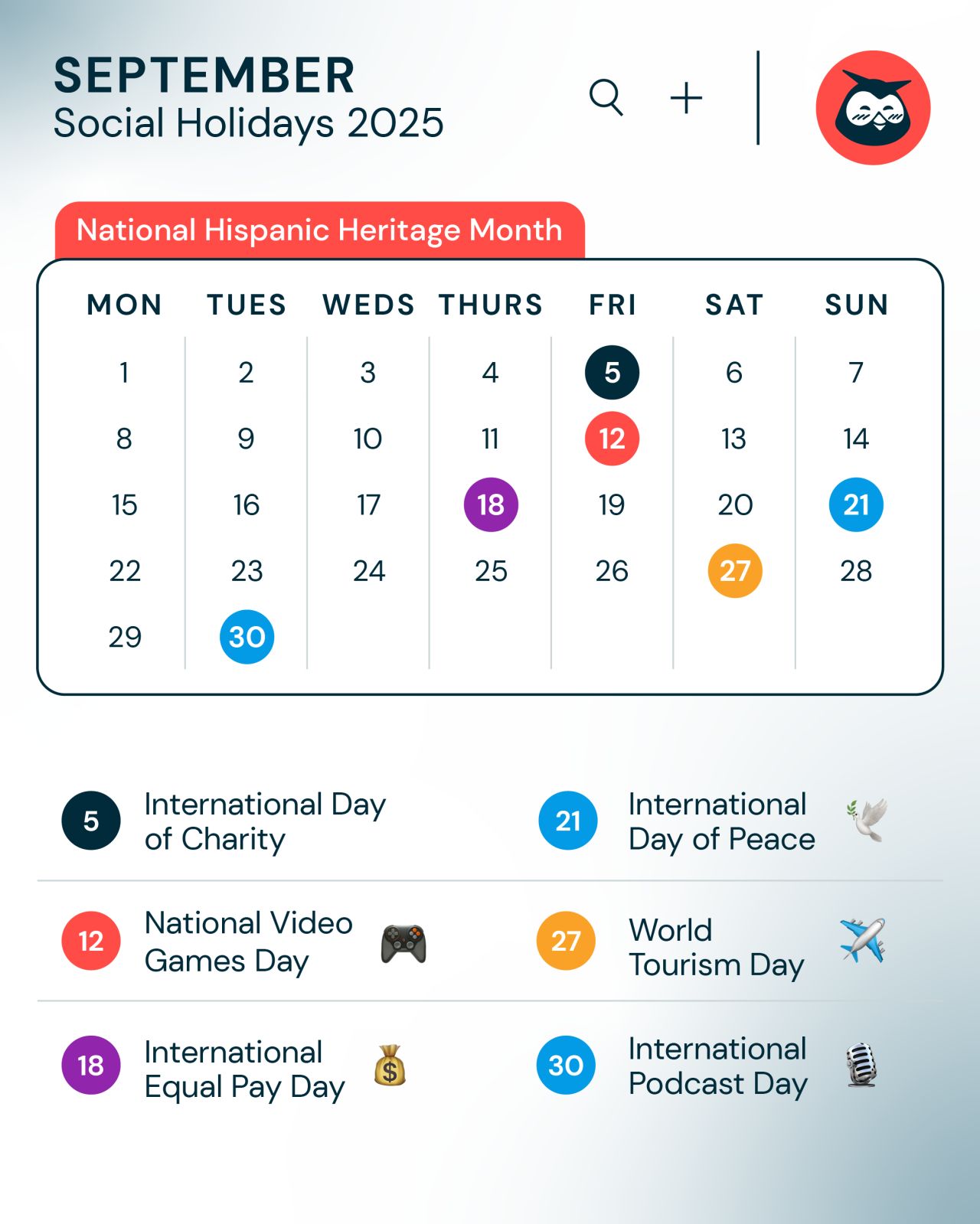
Tools like Later or Buffer can visualize this for you, and platforms like Instagram now show when your audience is online.
Pro tip: consistency > frequency. Better to post three times a week with great timing than spam daily at random hours. Also, make sure to maintain a consistent voice across all scheduled posts to strengthen your brand recognition and trust.
6. Analyze Social Media Strategy Performance
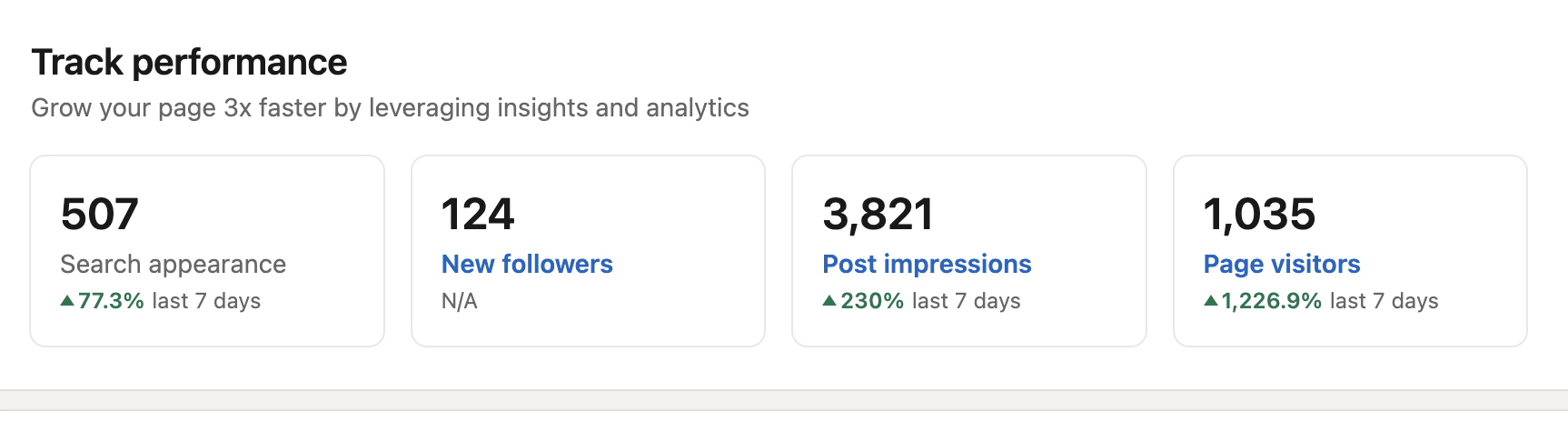
You’ve launched your campaigns. Now what?
Time to measure.
To track success, monitor social media performance metrics and key metrics like:
- Engagement rate (likes, comments, shares per follower)
- Click-through rate (CTR)
- Conversion rate (from post to sale/sign-up)
- Cost per click (CPC) and cost per acquisition (CPA) These aren’t just numbers to plug into a report. They’re clues.
Leverage business intelligence and big data tools for deeper analysis and to uncover trends that might otherwise go unnoticed.
Let’s say a video post underperforms. Most marketers stop at “it didn’t get likes.” But with a data-driven approach, you dig deeper:
Was the thumbnail eye-catching enough? Did people drop off after 3 seconds? (Maybe the hook wasn’t strong.) Was the caption too long or not punchy enough? Did you post at a time when your audience is actually online?
Tools like YouTube Analytics, Meta’s Creator Studio, and TikTok’s built-in insights can show you exactly where people lost interest. Even free tools like Bitly can help you track link clicks by platform.
Every failed post is still a data point. In fact, some of your most helpful learnings may come from what didn’t work, as these data points can offer valuable insights for future strategy.
And over time? These patterns reveal themselves. You stop guessing. You start refining. And your content—paid or organic—becomes sharper, stronger, more strategic.
7. Leverage the Power of the Right Tools
There are dozens of platforms out there. The best ones depend on your goals and team size. When selecting tools, prioritize those that can integrate reliable data sources and help ensure the quality and accessibility of your company’s data.

Here’s a quick snapshot:
- Google Analytics – for tracking conversions from social to web.
- Coupler.io – for analytics and campaign performance dashboards.
- Brandwatch – for deep social listening and trend spotting.
- Sotrender – for a deep dive into social media analytics and AI-powered Ads Optimization.
- Sprout Social / Hootsuite / SocialBee – for scheduling, listening, and performance reports.
- Canva + Adobe Express – for rapid content creation based on what’s performing.
- Meta Business Suite / TikTok Ads Manager – for platform-native insights and ad optimization.
- Mackeeper – for maintaining a clean desktop and secure workflow.
Using the right tools not only streamlines your workflow but also helps foster a data driven culture by making data collection, processing, and analysis accessible across your organization.
Don’t fall into the “we need all the tools” trap. Start small. Scale only when insights begin to outpace manual tracking.
Wrapping Up:
Implementing a data-driven social media strategy doesn’t mean becoming a data scientist overnight. It just means you stop treating your social channels like a guessing game. By leveraging data, you can achieve social media success and build a successful social media strategy that delivers measurable results.
It’s essential to ensure your brand exists and maintains a strong social presence to attract leads and engage your audience. Social customer service plays a vital role in building authentic engagement and fostering long-term relationships. The marketing manager is responsible for overseeing strategy and execution, ensuring all efforts align with the brand’s values and story.
Monitor key metrics like follower count to gauge trust and authenticity, and focus on building an active community as part of the best social media strategies. Integrating social marketing into your overall approach helps maximize impact and demonstrate value to stakeholders.
Start with simple insights. Tweak one thing at a time. Celebrate small wins. Learn from underperformers.
And most importantly? Keep asking: what does the data say?
Because when used well, social media analytics won’t just make your job easier. They’ll make your strategy smarter.