

As of 2025, U.S. social commerce has reached $114.7 billion, underlining just how crucial strong e-commerce social media branding has become for driving not just conversions but long-term brand equity and loyalty. The company is central to branding efforts—its identity and values are key to establishing a recognizable and trusted presence in the market.
E-commerce social media branding is not just about reach or visibility. It’s about building an identity customers can relate to, trust, and remember—even when they’re not buying. Unlike broad marketing tactics, branding on social platforms focuses on emotional connection, storytelling, and community. Brand building is the process of creating and maintaining a company’s identity and presence on social media, ensuring consistency and long-term growth.
New research shows that AI-driven personalization and live-streamed content are reshaping how brands interact and differentiate on social media. These aren’t passing trends. They’re shaping consumer expectations. A brand’s personality and the development of a unique brand persona are essential for standing out from competitors and forging genuine connections with audiences.
In this article, we break down 7 actionable strategies that work together as a framework for building a memorable, profitable e-commerce brand on social media.
Introduction to Social Media Branding
If you’ve ever thrown together a social media presence thinking “just post something, anything”—only to wonder why nobody seems to care about your brand—welcome to the reality check. Social media branding isn’t just about showing up on Instagram and Facebook anymore. It’s about crafting something that actually sticks with people, something that makes them stop mid-scroll and think “yeah, that’s them.” We’ve all seen those brands that somehow make everything look effortless while the rest of us are here wondering how they do it.
Here’s the thing—those brands that seem to have it all figured out? They’re not just winging it. They’re sharing stories that actually matter, showing off what they stand for, and building those little communities where people genuinely want to hang out. It’s like being the friend everyone wants to grab coffee with, except you’re a business. Consistent branding across your channels isn’t some fancy marketing term—it’s how you become the brand people recognize instantly, whether they stumble across you on TikTok or LinkedIn. And when you’re launching something new or just trying to remind people why you rock? That’s when having a clear voice and visuals that actually work together becomes your secret weapon.
Look, effective social media branding isn’t about playing some complicated marketing game—it’s about being real with people. It’s turning those random followers into the kind of customers who’ll defend your brand in comment sections and tag their friends in your posts. When you actually get your audience and stay true to what makes your brand tick, you create something that doesn’t just exist on social media—it thrives there. Your audience can feel the difference, and that’s what makes them stick around.
7 Highly Effective Strategies for Ecommerce Social Media Branding
E-commerce branding on social media is more than posting often. To create a brand that customers remember and trust, you need a layered approach that blends strategy with execution. Social branding is the process of creating a distinct brand persona on social media platforms, helping to build stronger connections with your audience and shape brand perception. These strategies also support the success of marketing campaigns.
Let’s look at the most potent strategies to achieve that. Effective content creation is essential for supporting these strategies, ensuring brand consistency and maximizing reach across channels.
1. Define Your Brand Identity and Voice
Before visuals or campaigns, your brand needs a point of view. Not a slogan, or logo or colors. But a clear stance that resonates with your audience’s values and behavior. Collaborating with a popular agency for top brands can help you uncover those insights and translate them into a distinctive brand voice that connects authentically with your audience.
A unique brand voice differentiates a company from its competitors.
Start with research that goes deeper than basic demographics. Tools like SparkToro and GWI let you analyze what your audience believes in, who they trust, and how they behave online.
If you’re a skincare brand, do your customers care more about clean beauty or affordability? Are they eco-conscious or trend-driven?
Based on this, shape a brand persona. Think in archetypes such as helper, explorer, creator, and not just tone adjectives like “friendly” or “witty.” A strong brand presence on social media is characterized by compelling stories and a unique voice.
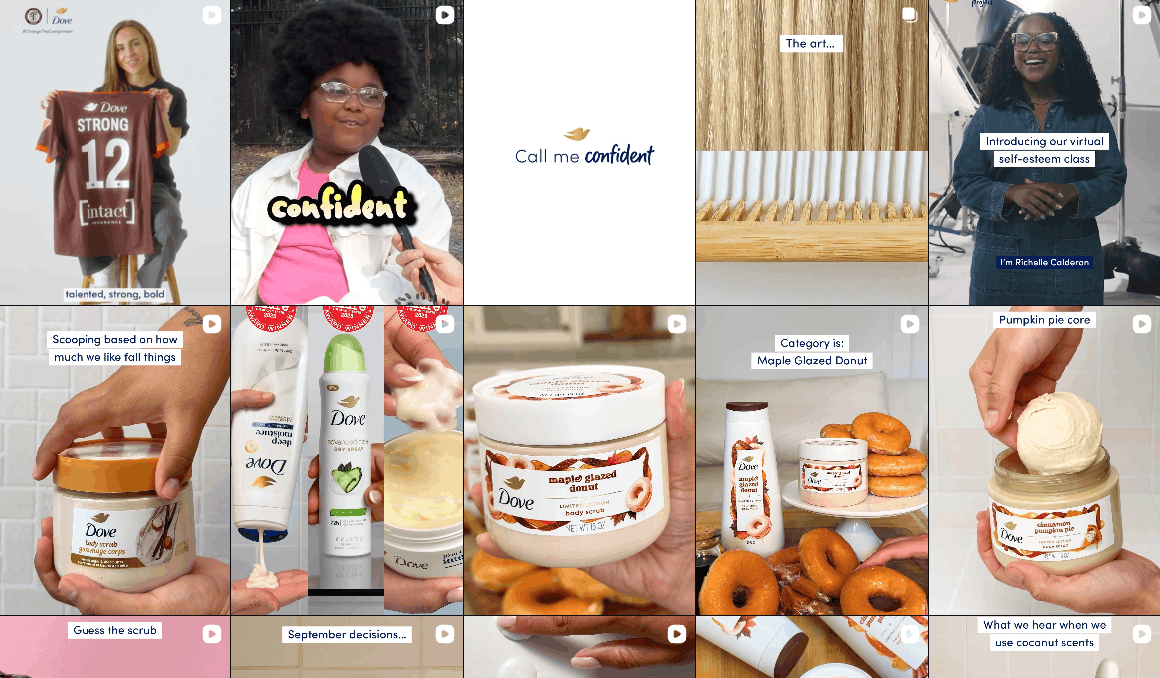
A good example is Dove, they have built a long-term brand identity rooted in self-esteem and inclusivity. Their social content reflects this in tone, language, and featured stories, often sharing real-life reflections and experiences that bring their brand to life.
It’s highly advisable to document your voice across key scenarios: replies to customers, promotional captions, and community posts. Define where your tone should vary (like lighter on TikTok, more direct on X).
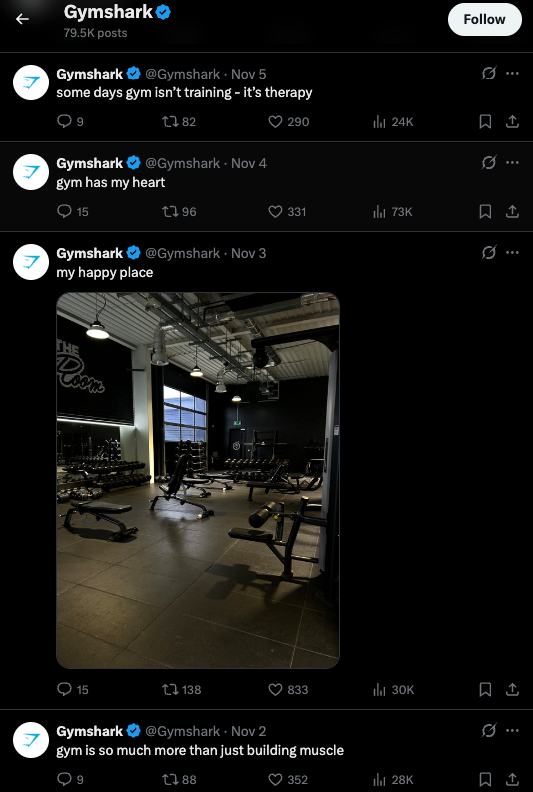
Brands like Gymshark do this well by blending aspirational messaging with a down-to-earth, community-first voice. It is not a one-size-fits-all playbook, but adaptable by platform and moment.
Incorporating tools that allow you to efficiently schedule social media posts can further enhance your ability to maintain a consistent and engaging presence across multiple platforms.
2. Establish Visual Consistency Across Platforms
In a scroll-heavy environment where brands compete for milliseconds of attention, consistency in visual identity is a no-brainer. It helps customers recognize you instantly, even before reading your name.
So, start by locking in three visual anchors:
- Incorporate your brand colors and a distinctive color scheme, including the use of bright colors to stand out and enhance brand recognition.
- A fixed color palette optimized for digital screens (use tools like Coolors or Adobe Color).
- Font styles that balance readability with personality.
- A library of imagery rules: do you use studio shots, lifestyle photography, simple graphics, illustrations, or a mix?
Once set, apply these using template systems. Tools like Canva and Figma let you design reusable templates for Reels covers, Stories, and carousel posts. Adobe Express also provides pre-made templates and design tools for professional social media content, even for those with limited design skills. Keep platform differences in mind. For example, use vertical layouts for TikTok or Pinterest, and maintain safe zones for Instagram.
For brands that want to scale visual consistency without relying heavily on design teams, Venngage’s infographic maker offers ready-made templates you can customize to keep your social media visuals perfectly on-brand across all platforms.
Establishing clear brand parameters—such as colors, fonts, logos, and style elements—through style guides and templates is essential for maintaining brand compliance and ensuring your team consistently applies your visual identity.
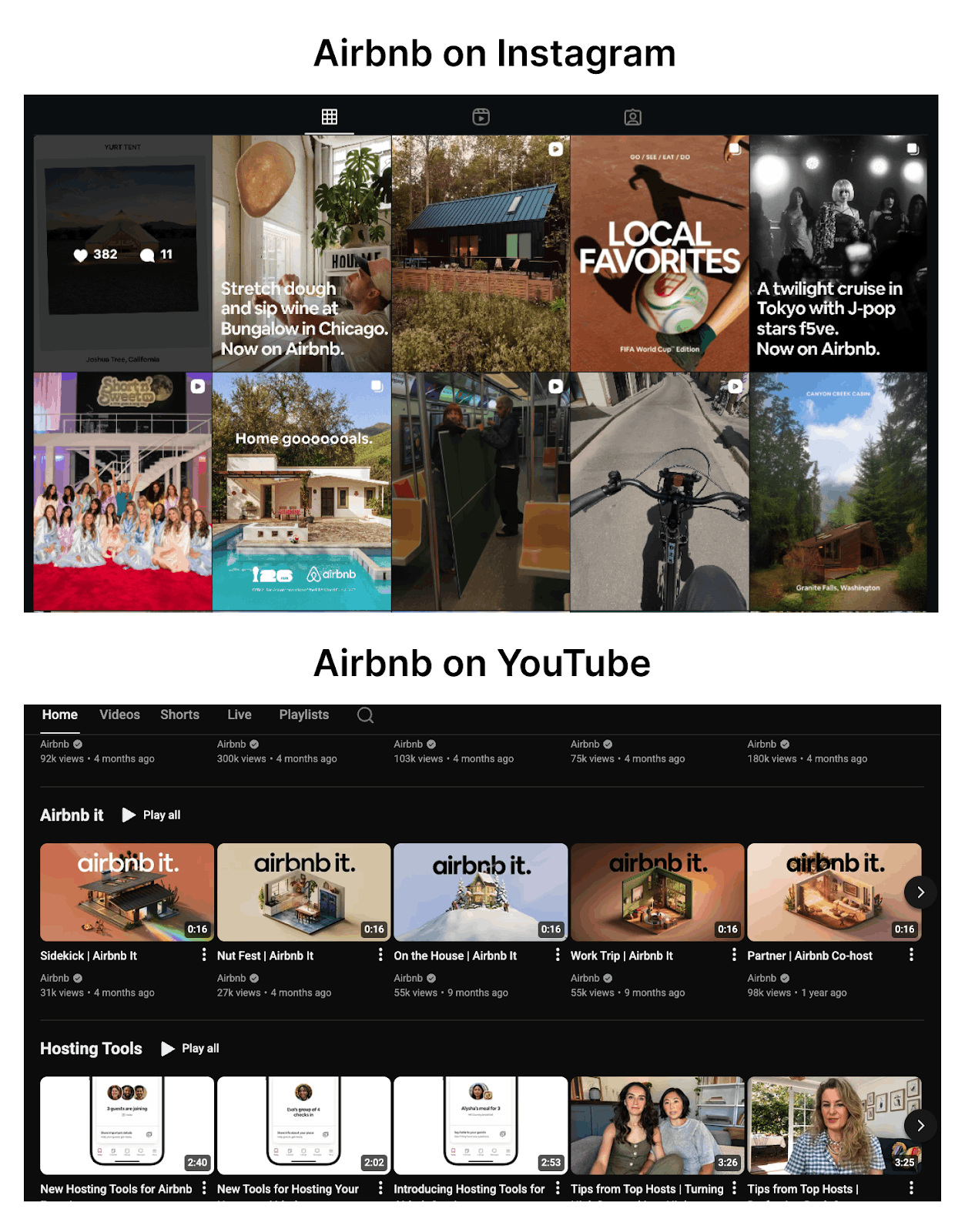
A brand like Airbnb does this well. Whether it’s Instagram or YouTube, their visuals reflect a cohesive style: warm tones, real homes, and culturally rich experiences. This consistency reinforces the “belong anywhere” narrative without needing text.
For e-commerce, this approach builds familiarity across the funnel. Someone may see your ad on Instagram, browse products on Pinterest, and revisit your TikTok, but consistent visuals tie it all together, supporting everything from brand recall to lead generation before the first purchase.
In fact, using a signature color can increase brand recognition by 80%.
In addition to visual consistency, e-commerce businesses should also focus on minimizing involuntary churn, which can disrupt customer loyalty and impact long-term revenue.
3. Leverage Storytelling for Emotional Connections
People don’t remember product specs. They remember how your brand made them feel. In e-commerce, storytelling builds emotional loyalty, increasing repeat engagement and turning passive viewers into active fans.
No one type of story works. You need a mix of origin stories (of your business) that build trust to answer questions like why you started and what problem you solve. You can also let your customers narrate their story, which creates empathy. Featuring loyal customers and sharing their experiences through testimonials, reviews, or user-generated content helps build trust and authenticity for your brand.
When deciding which stories to share, focus on creating relevant content that addresses your audience’s needs and interests. This not only enhances engagement but also reinforces your brand’s authenticity on social media platforms.
The format matters too. Short-form video works best. Instagram Reels, TikTok threads, and YouTube Shorts all prioritize native storytelling. Keep them structured in arcs: setup, conflict, resolution. Use captions, voiceovers, and on-screen text for accessibility and retention, although you can use an AI video maker that can streamline the video production process.
Building a community on social media requires sharing useful, actionable content that delights and helps your audience in their daily lives.
For example, Dollar Shave Club blends humor and honesty to explain everyday pain points like overpriced razors. Their tone is consistent and memorable, especially on social.

4. Encourage Authenticity Through User-Generated Content
Polished ads may spark curiosity, but it’s real people using your products that build trust. That’s why user-generated content (UGC) is one of the most effective ways for e-commerce brands to grow reach and loyalty without spending more on media.
User-generated content is one of the most trusted forms of social proof for purchase decisions.
What you can do to systemize it:
- Launch branded hashtags tied to campaigns or collections.
- Run themed contests that ask customers to share photos or videos.
- Encourage brand ambassadors—loyal, enthusiastic customers who actively promote your brand through their own authentic content and personal stories, often motivated by incentives.
- Curate and repost UGC with proper credits, ideally within 72 hours of posting.
- Feature UGC in highlights, pinned posts, or on your website’s homepage.
Use tools like Loox or Taggbox to automate UGC collection and measure content-driven conversions.
UGC campaigns not only build trust and engagement, but also help increase brand awareness by reaching new audiences and strengthening your brand’s online presence.
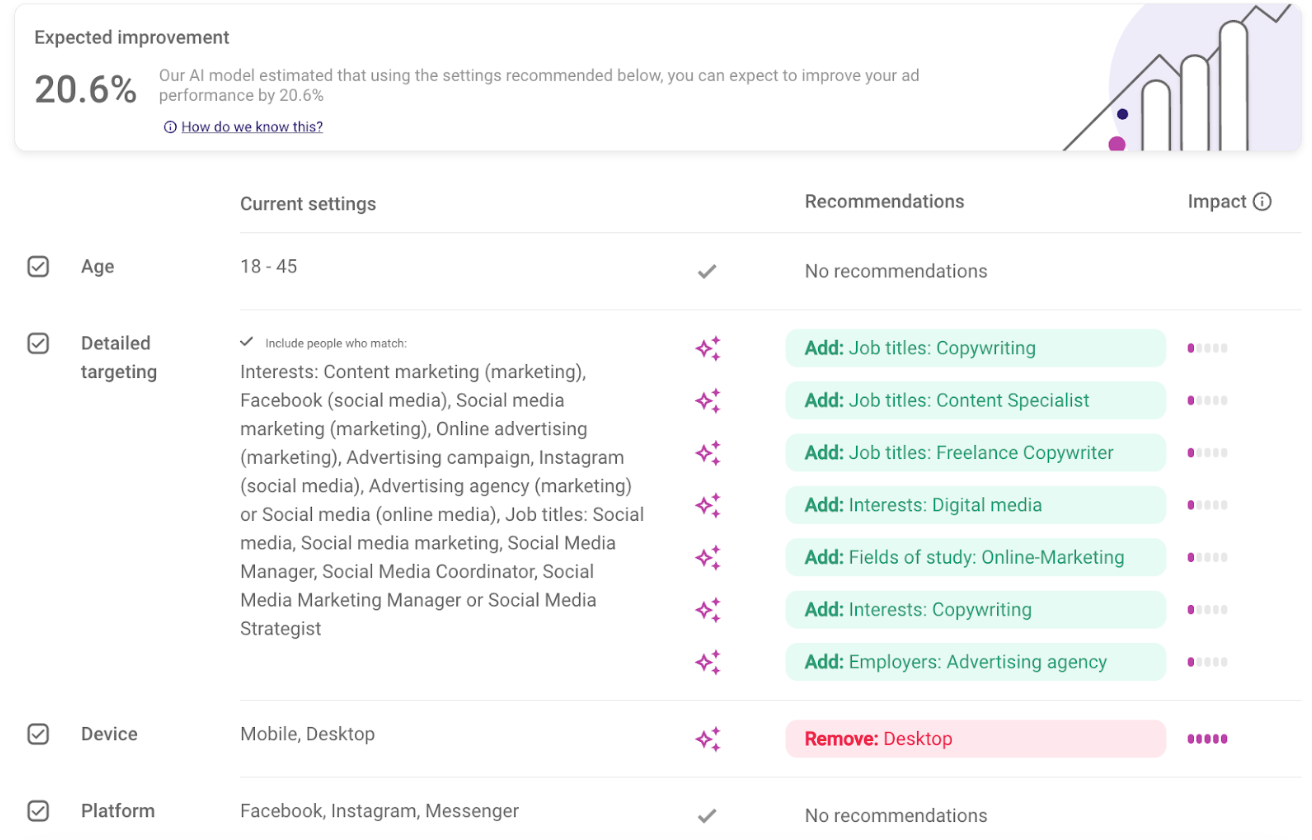
Thinking of turning your UGC into ads? Try Sotrender’s Ads Optimization feature. It shows you which user-generated content performs best, so you can run smarter, more effective campaigns on platforms like Instagram and Facebook.
5. Engage Actively to Humanize Your Brand
Customer loyalty isn’t built from ads. It’s built on how your brand replies to a question at midnight or joins a conversation without sounding robotic. Engagement on social media includes responding to comments, fostering community, and encouraging conversations.
For e-commerce brands, engagement is one of the core aspects of branding. Brands running multiple social accounts or region-based campaigns often rely on the best mobile proxies to keep automations safe and avoid platform restrictions. A short DM response, a thoughtful comment under a user’s post, or an honest answer in an AMA can shift perception faster than a polished video ever could.
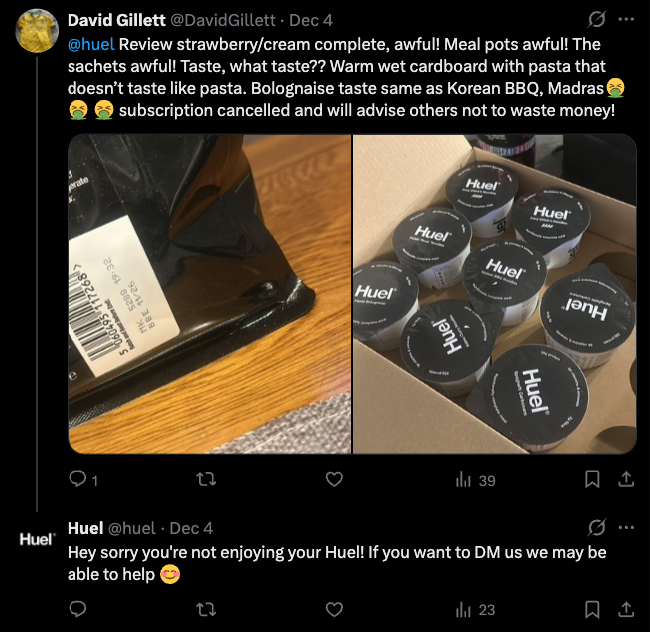
Look at Huel, the nutrition brand. They regularly jump into discussions on X, answering product questions in real time and owning both praise and criticism with equal transparency. Engaging with your audience in real time helps build a sense of community and trust around your brand.
Using audience polls and questions is a powerful tool to learn more about your audience’s interests, values, and preferences.
You don’t need a 20-person team to do this. AI chatbots can handle FAQs during off-hours, but they should hand off to real people once complexity rises. What matters is maintaining a consistent voice—friendly, informed, and aligned with your brand tone. Templates help, but should be reviewed often to avoid sounding stale or scripted.
Success on social media is shifting focus from total follower counts to the health of community engagement.
6. Partner With Aligned Influencers for Brand Amplification
Influencer marketing works, but only when it looks authentic. In e-commerce, real impact comes from long-term collaborations with creators who feel like customers, not paid spokespersons.
Brands usually get stuck chasing macro-influencers or one-off shoutouts. The result? Content that drives engagement for a very short term, and no real results. A better approach starts with the right creator-brand fit. Select creators whose tone, values, and audience overlap with yours, even if they only have ~10,000 followers.
Tools like Modash, Aspire, or Influencity now let you filter creators by niche, audience credibility, and past branded engagement. Look beyond follower count. Check how often they convert attention into comments, clicks, or saves.
Start by seeding product to a small set of creators. Let them use it without scripting. If it resonates, scale the relationship. The goal isn’t a one-off post but a consistent presence.
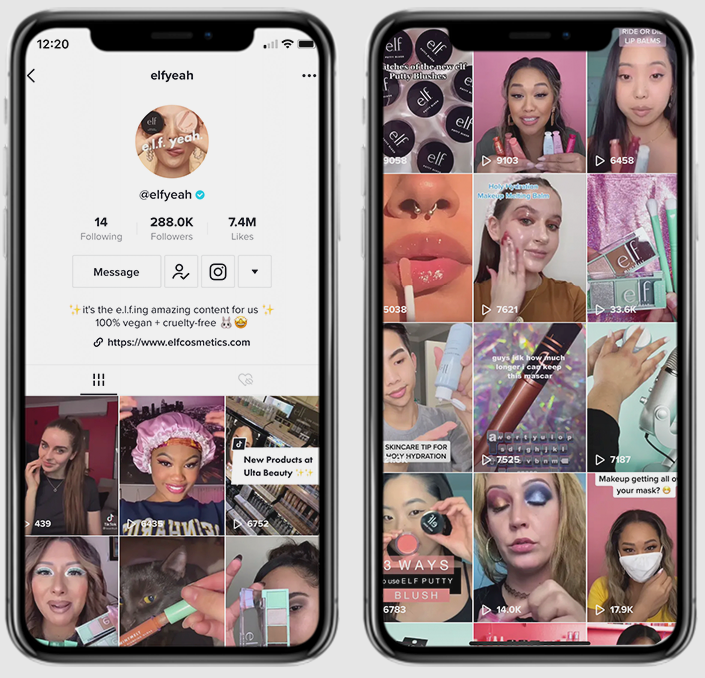
That’s how Elf Cosmetics turns creators into distribution channels, not just promotional assets—co-building challenges that feel organic on TikTok, yet drive measurable traffic and brand lift.
7. Optimize Profiles for Immediate Brand Recognition
The first time someone lands on your profile, they decide within seconds whether to follow, scroll, or leave. That moment is make-or-break.
To build strong social media branding, it’s essential to manage and optimize all your social media accounts and social media channels for consistent branding and messaging. Your profile should communicate what you sell, who it’s for, and why it matters—all without needing a second tap. A strong first-touch profile should include:
- A clear, keyword-rich bio with a defined value proposition
- High-res profile image (logo or product image, depending on platform)
- A mobile-optimized link-in-bio tool with trackable CTAs
- Pinned posts or Highlights that address FAQs or showcase bestsellers
- Consistent grid or thumbnail visuals that align with your brand palette
- Easy access to brand assets and tools for profile optimization
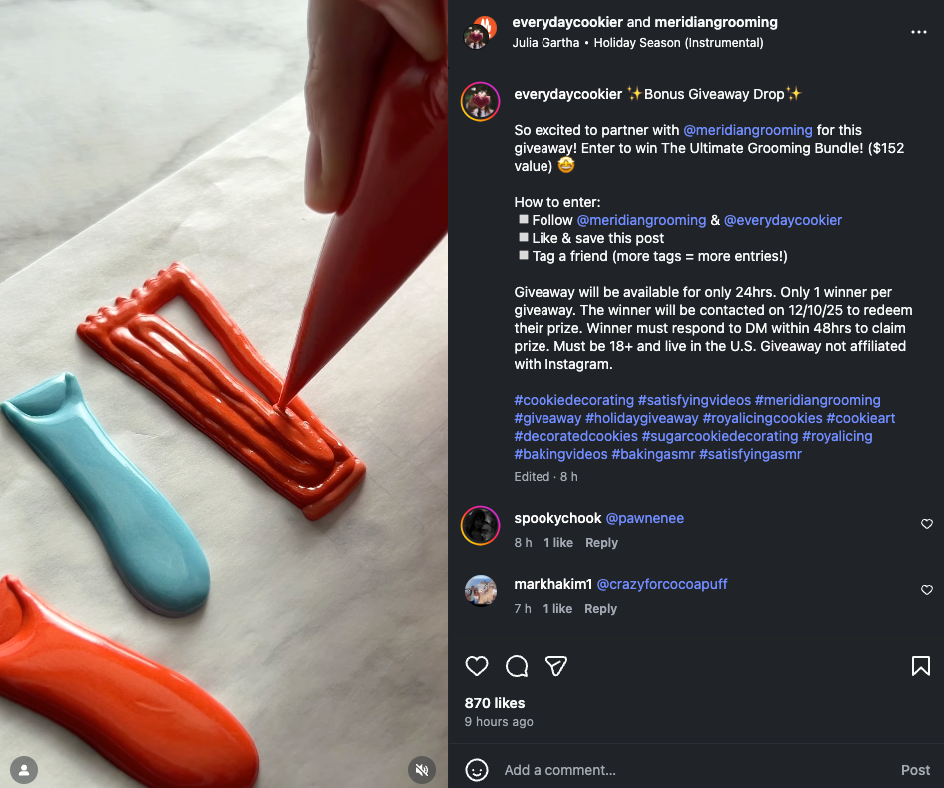
Meridian Grooming nails this by grouping content under branded hashtags, making their Instagram feel both curated and shoppable.
On Pinterest, brands optimize for discovery by structuring pins around product categories, seasonal trends, and lifestyle use cases.
A social media brand kit is a box of tools that can elevate your presence on social media platforms as well as your brand image.
Audit your profiles every quarter. Check how many profile visitors are clicking through to your site. If traffic is low, revisit your messaging and CTA placement—especially on mobile, where most first touches happen.
Measuring Success with Analytics
If you’ve ever posted what you thought was fire content only to refresh your analytics later and see engagement flatlining like a heart monitor in a hospital drama—yeah, we feel you. Understanding what’s actually happening with your social media branding isn’t just nice to have, it’s the difference between shooting in the dark and actually hitting your target. That’s where social media analytics swoop in like your data-savvy best friend, ready to spill the tea on what’s working, what’s bombing, and how your audience really feels about your brand.
- 7 days for free
- No credit card required
- Access to all premium features

Here’s the thing—a solid social media branding strategy without data is like trying to navigate without a map. You might get somewhere, but good luck knowing if it’s where you wanted to go. When you’re actually tracking the stuff that matters—engagement rates that don’t make you cry, reach that goes beyond your mom’s Facebook friends, website traffic that converts, and sales that pay the bills—you can finally see which posts are absolute bangers and which ones your audience scrolled past faster than a bad first date. Your analytics will rat out which content types make your audience stop mid-scroll, reveal which platforms are your brand’s ride-or-die supporters, and expose those awkward moments where your branding feels like it’s having an identity crisis.
The beauty of regularly diving into your analytics isn’t just about making your strategy less of a hot mess—it’s about making sure your branding efforts actually line up with what you’re trying to achieve as a business. When you use these insights like the roadmap they are, you’ll boost brand recognition without breaking a sweat, drive traffic that actually wants to be there, and watch your sales climb. In today’s “everyone’s a content creator” world, letting analytics guide your social media branding isn’t just smart—it’s survival. Because while your competitors are still posting and praying, you’ll be posting and knowing why it works.
Wrapping Up
The strategies we covered aren’t standalone tips. They’re parts of a larger system, where each layer strengthens the one before it. Your voice gives context to your visuals. Your visuals give your stories weight. Your stories help to build a community, and your community shapes perception. It all works together to build an identity people recognize and trust.
To succeed, stay consistent in your social media presence and branding efforts. Regularly update your channels, maintain a uniform tone and visual style, and use tools like brand guidelines and shared calendars to streamline your approach.
You don’t have to execute it all at once. Start with who you are, then scale outward as each layer reinforces the next. As the e-commerce industry continues to grow, there’s a lot of potential to leverage social media. Ongoing brand compliance is essential to maintain a unified identity across all platforms. If your brand can speak clearly, show up consistently, and adapt in real time, you’re not just part of the feed. You’re part of the customer’s mind. And that’s what social media branding is all about.