

Modern social media is a huge space where people have fun, interact and even earn money. Content creators, social media influencers, and ordinary users turn likes and views into real money. These platforms have over 5.42 billion users worldwide, so the market is really crowded. The social media space is highly competitive within the broader digital world, making it essential to find your niche and stand out. But there are still ways to earn.
Let’s have a closer look at how you can make money on social media today using effective social media monetization strategies. There are many social media platforms offering monetization options and monetization tools. We’ll discuss the 15 most popular ones. Read on to discover how you can use your social media platform and get paid for this by creating exclusive content, engaging content, and leveraging multiple revenue streams!
Sponsored posts and brand partnerships
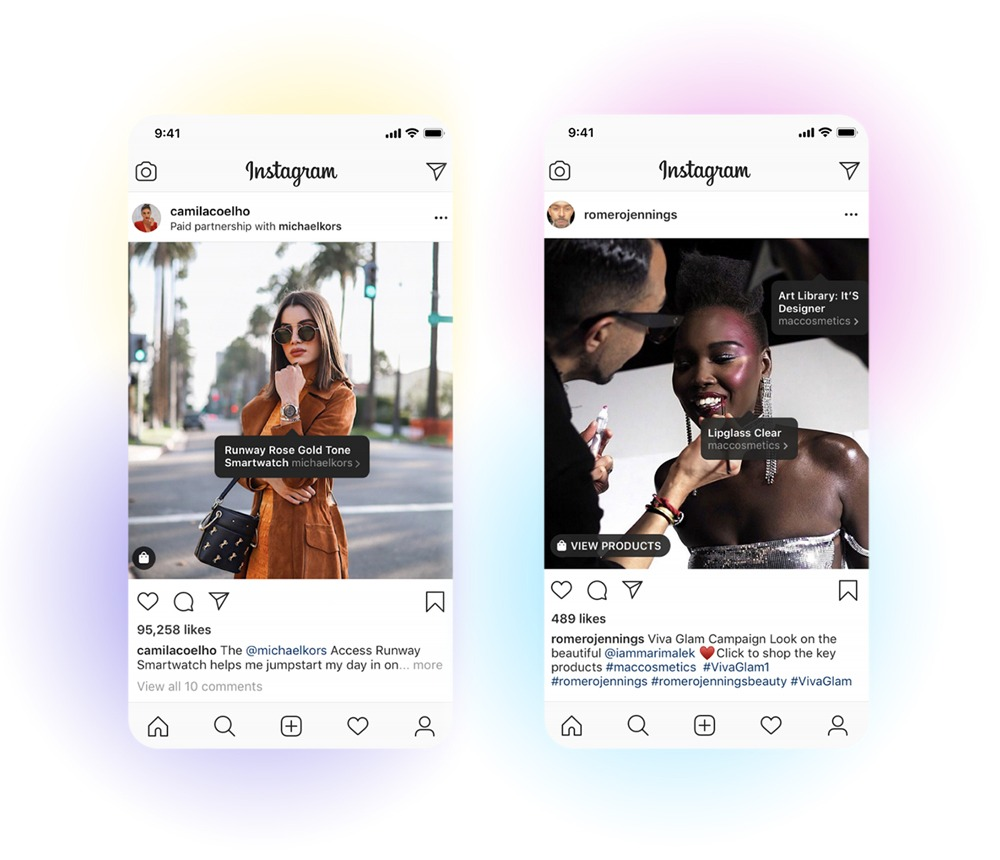
Brands are ready to pay creators for advertising their products or services. Usually, it’s done through posts, stories, reels, or videos. Afluencer and similar platforms connect creators directly with brands in fashion, beauty, fitness, lifestyle, and travel. You can easily find partnerships to your interests. Brand collaborations and brand deals are essential for creators seeking monetization opportunities, as they provide structured ways to work with brands for sponsored content and long-term revenue.
A good example is MacKenzie-Childs’ holiday campaign. The retailer partnered with micro- and macro-influencers on TikTok, Pinterest, and Instagram and reached over 8M audience. Selecting the right brand partner is crucial for successful campaigns. Creators received cash payments, products, and gifts to showcase seasonal items with promo codes.
Create a media kit that shows your top content and who follows you. Then, join platforms like Instagram Creator Marketplace or Afluencer to connect with brands. These platforms also facilitate paid partnerships between creators and brands.
- 7 days for free
- No credit card required
- Access to all premium features
Affiliate marketing
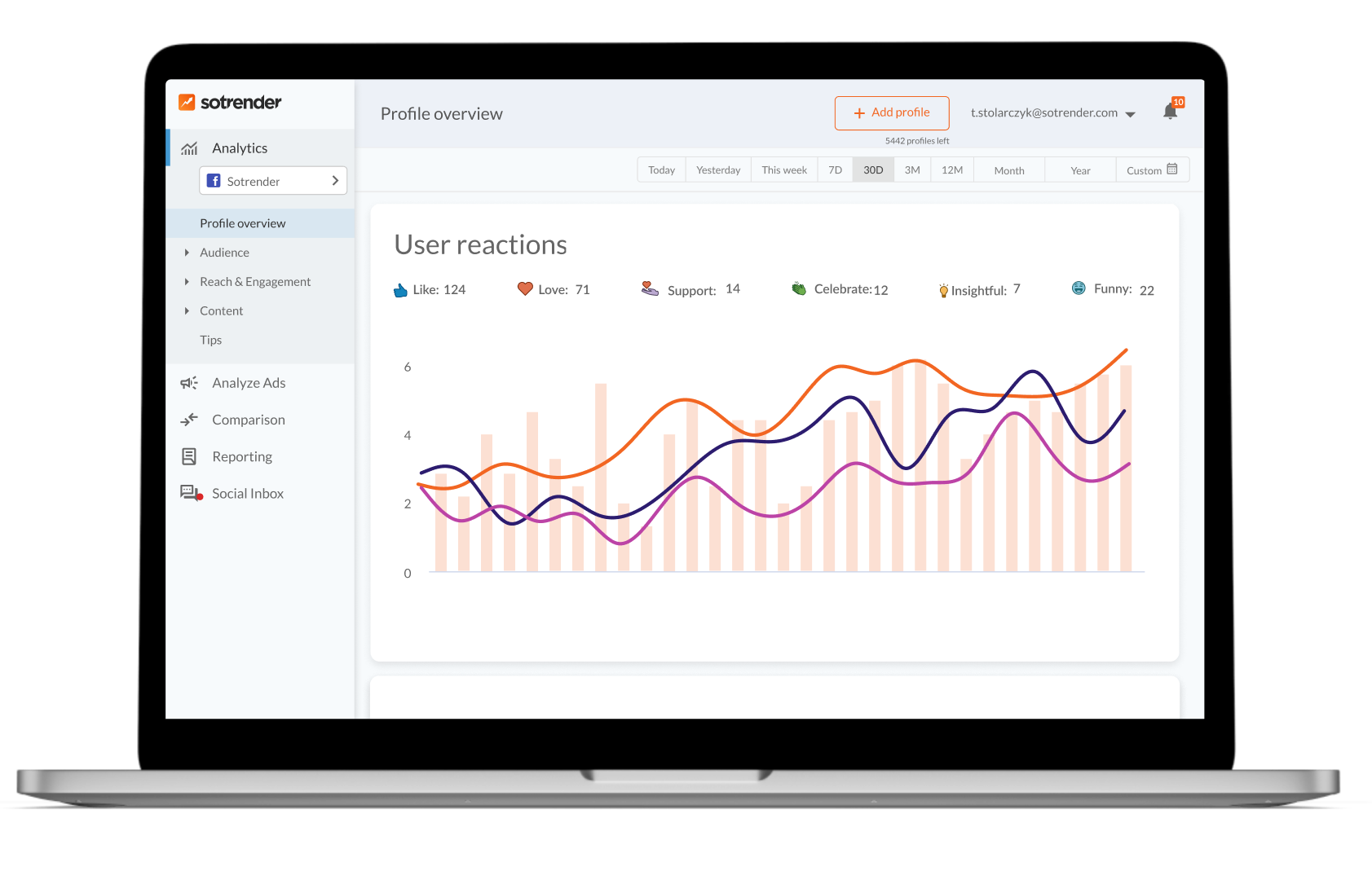
You can share others’ products or services through special links and earn commissions. You only get paid when someone buys or takes action, which is attractive for both creators and brands. It works like passive income – you create content with affiliate links once, and it keeps bringing money long after publication. Affiliate marketing also enables you to reach and convert potential customers by tailoring your content to their specific interests and needs, increasing the chances of engagement and sales.
Have a look at how Shopify’s affiliate program works. Creators like e-commerce bloggers promote tools and earn up to 200% commissions on referrals.
You can test different platforms. Amazon Associates is for products, ClickBank is for digital goods, and ShareASale is for many brands. Share their tracking links with your audience and earn commissions when people make a purchase.
Subscription-based content
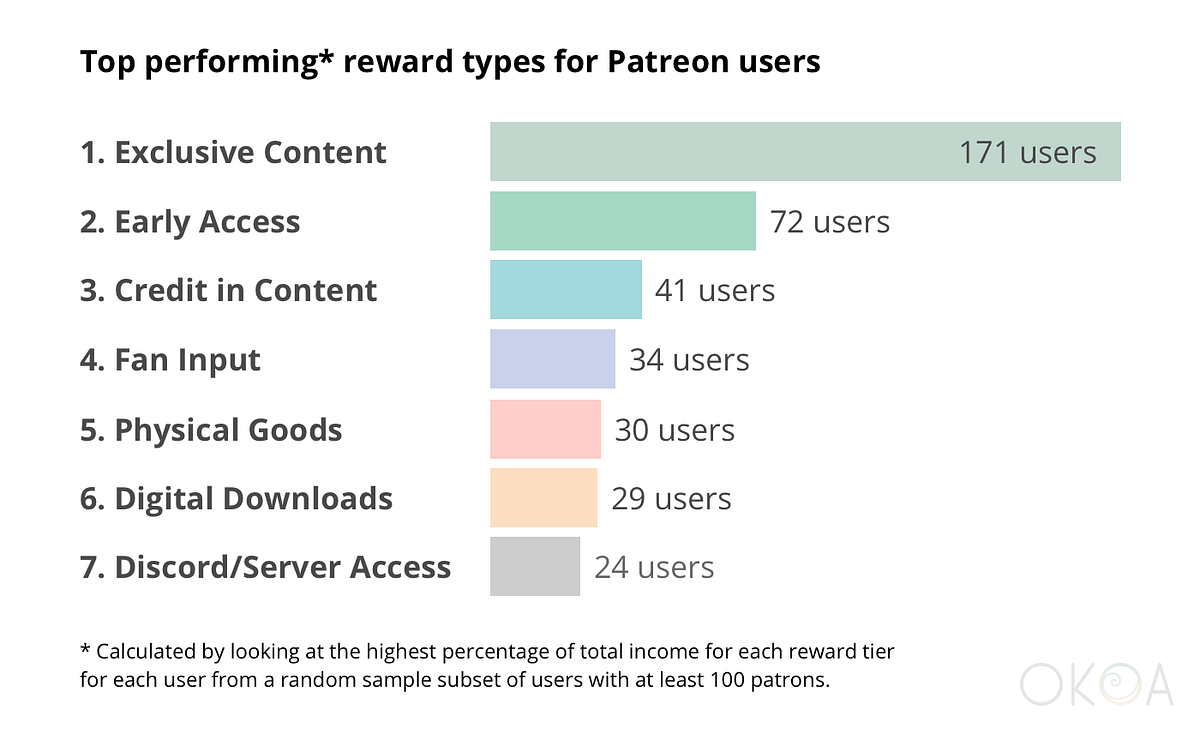
Some creators are paid for exclusive content. Patreon paid over $1 billion to creators last year. Followers pay on a regular basis to access exclusive content, perks, or community features. Instagram, Facebook, and YouTube offer native subscription tools that let creators earn directly from the platform. Creators can also offer paid memberships and channel memberships, providing exclusive access and recurring revenue through monthly fees.
If you have something special to offer to your audience – such as premium content like early content releases, exclusive tutorials, or one-on-one interactions – you can sell access to such content. For a start, create 3–4 subscription levels at different prices to suit different budgets. Remember, you must continuously have something new for your followers to keep their interest.
Online courses and digital downloads
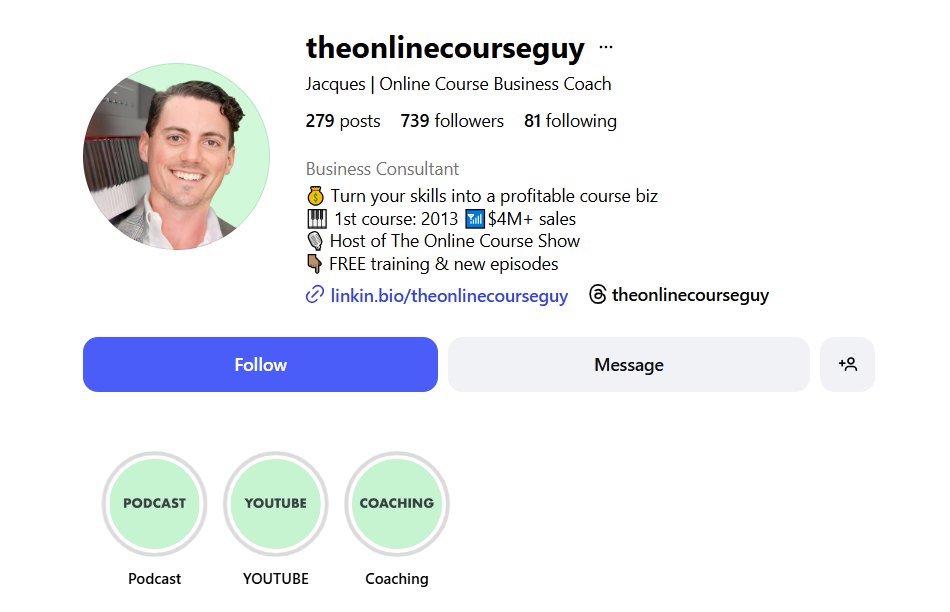
Many creators sell their expertise and earn through educational content and digital products. They develop and sell courses, guides, templates, or other digital resources directly to their audience. Building an engaged online community can significantly increase sales and provide valuable feedback for future offerings. These are one-time services. You create a course, for example, and it can be sold repeatedly without additional production costs.
You may first create a free mini-course to see if people really need it. If you see demand, offer your full version at a certain price. Teachable, Gumroad, and Kajabi platforms make it easy to host and sell educational content directly to your audience.
Social commerce and in-app shopping
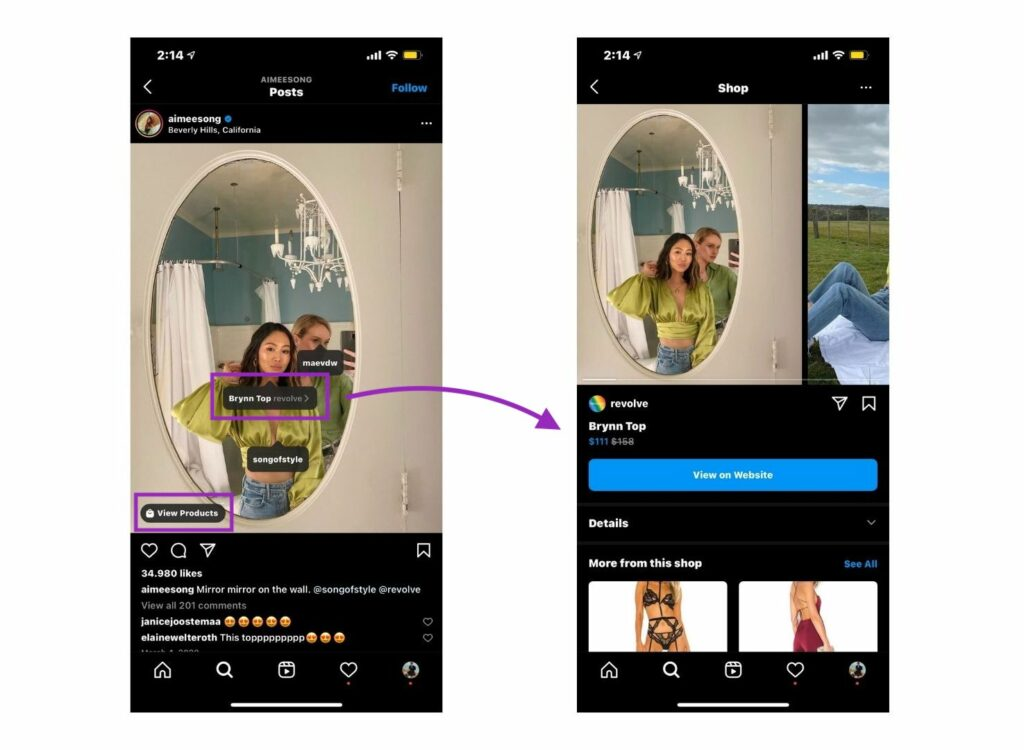
To unlock features like a social media shop on platforms such as Instagram and Facebook, it’s important to convert your profile to a business account.
People love to buy online, and platforms add tools to make shopping convenient. Creators and brands can tag products in their posts, letting users buy them right in the app. This makes shopping extremely easy and fast.
If you have something to sell online, set up a social media shop on platforms like Instagram, Facebook, or TikTok. Make sure you have a Facebook page and check if you are in an eligible market to access these monetization features. With a business account, you can sell physical products directly to your Instagram followers, who can purchase right through your shop. Then, tag products in posts, stories, or reels to make buying seamless. Automate invoices and order confirmations to save time. And ask your customers to share their reviews to build trust.
Ad revenue sharing platforms
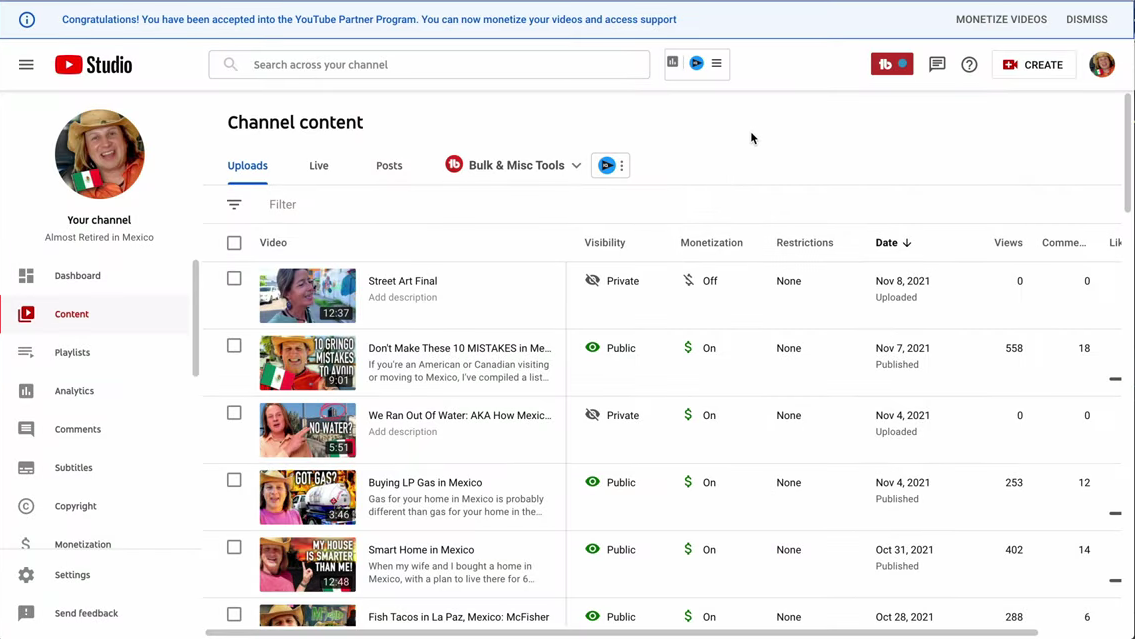
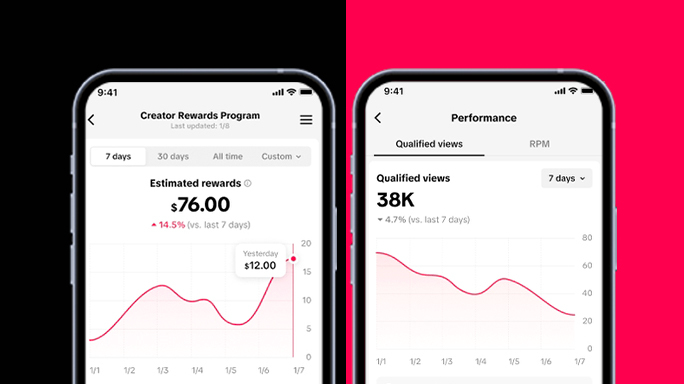
Some social media platforms pay creators a share of the ad revenue their content generates. To maximize your earnings, it’s important to choose the right ad formats and experiment with various ad formats, such as Popunder, Social Bar, and Native Banner, to find the best combination for your audience and content.
Each platform has rules:
YouTube Partner Program. You need 1,000 subscribers and either 4,000 watch hours or 10 million Shorts views to get money from youtube ads. You must also comply with youtube monetization rules, which set the criteria and guidelines for earning revenue through ads, sponsorships, and affiliate marketing.
TikTok Creator Rewards. You need to meet tiktok monetization requirements, including 10,000 followers, videos over one minute, good engagement, and other criteria like account age and regional eligibility to join the creator rewards program.
So, study each platform’s demands and choose the one where you qualify. You can use several platforms at once if you are ok with the rules.
User-generated content (UGC) creation
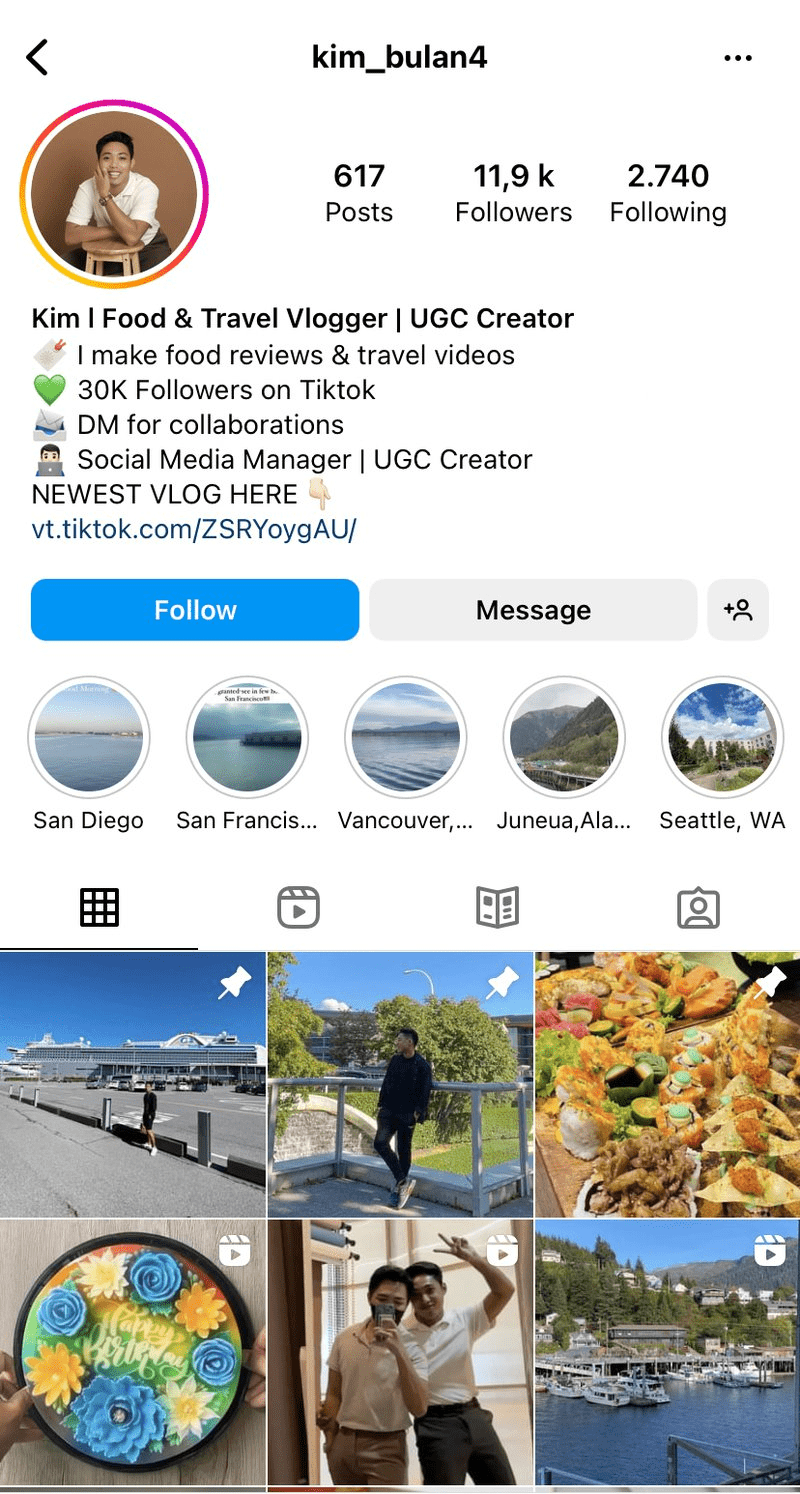
Many brands look for authentic content created by ordinary users. UGC creators make sponsored posts that look like real customer content. This user-generated content often includes sponsored content designed to appear authentic and relatable, blending brand messaging seamlessly into social feeds. These posts don’t always show the creator’s personal profile or followers – they only let the brand look authentic.
Anyone who makes good content can earn money, even if you don’t have many followers. UGC creators can make $100–$500 or more per video, depending on how it’s used and how complex it is. Visit Brands Meet Creators or Hashtag Paid platforms – you may find tons of opportunities there.
Live streaming and virtual tips
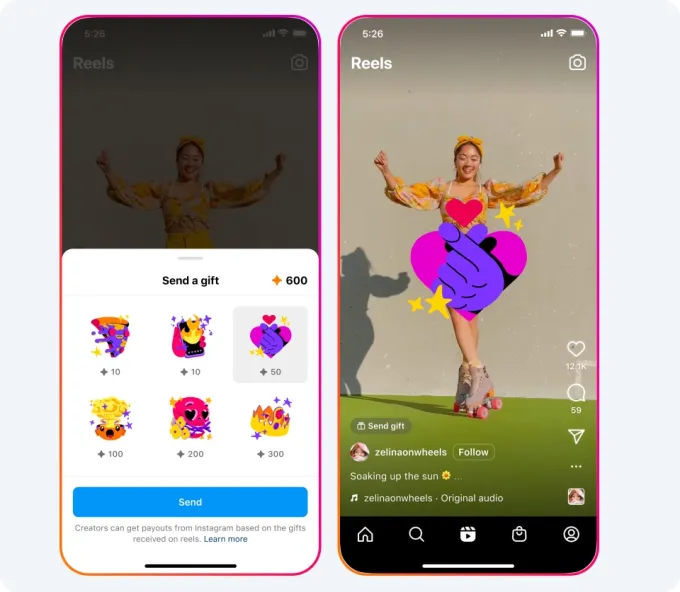
During live streams, viewers can send tips or virtual gifts to creators. The creators can monetize these gifts. Live streaming works because it’s exciting and fun – viewers can join and interact right away. In addition to regular broadcasts, creators can host events such as Q&A sessions, workshops, or interviews to further engage their audience and increase monetization opportunities. Streamers who go live regularly give people something to look forward to and keep them coming back. Note, each platform has its own system:
- YouTube. Viewers can buy Super Chats or Super Stickers during live streams.
- TikTok. Fans send Live Gifts while you’re broadcasting.
- Instagram. Viewers give Gifts on Reels or buy Badges during live videos.
If you manage to attract an audience, live streaming can bring a steady income.
Crowdfunding campaigns
Creators can raise money for projects, businesses, or ideas through Kickstarter, GoFundMe and similar sites. You present your idea online and ask people to support it with money. In return, you offer rewards (products, perks, or early access). When enough people contribute, you get the money to realize your project.
To earn with crowdfunding, pick a platform, share your project online, offer rewards for support, and deliver what you promised. Remember, more backers mean more money. Successful crowdfunding can also become a valuable income stream for creators.
NFT and digital collectibles
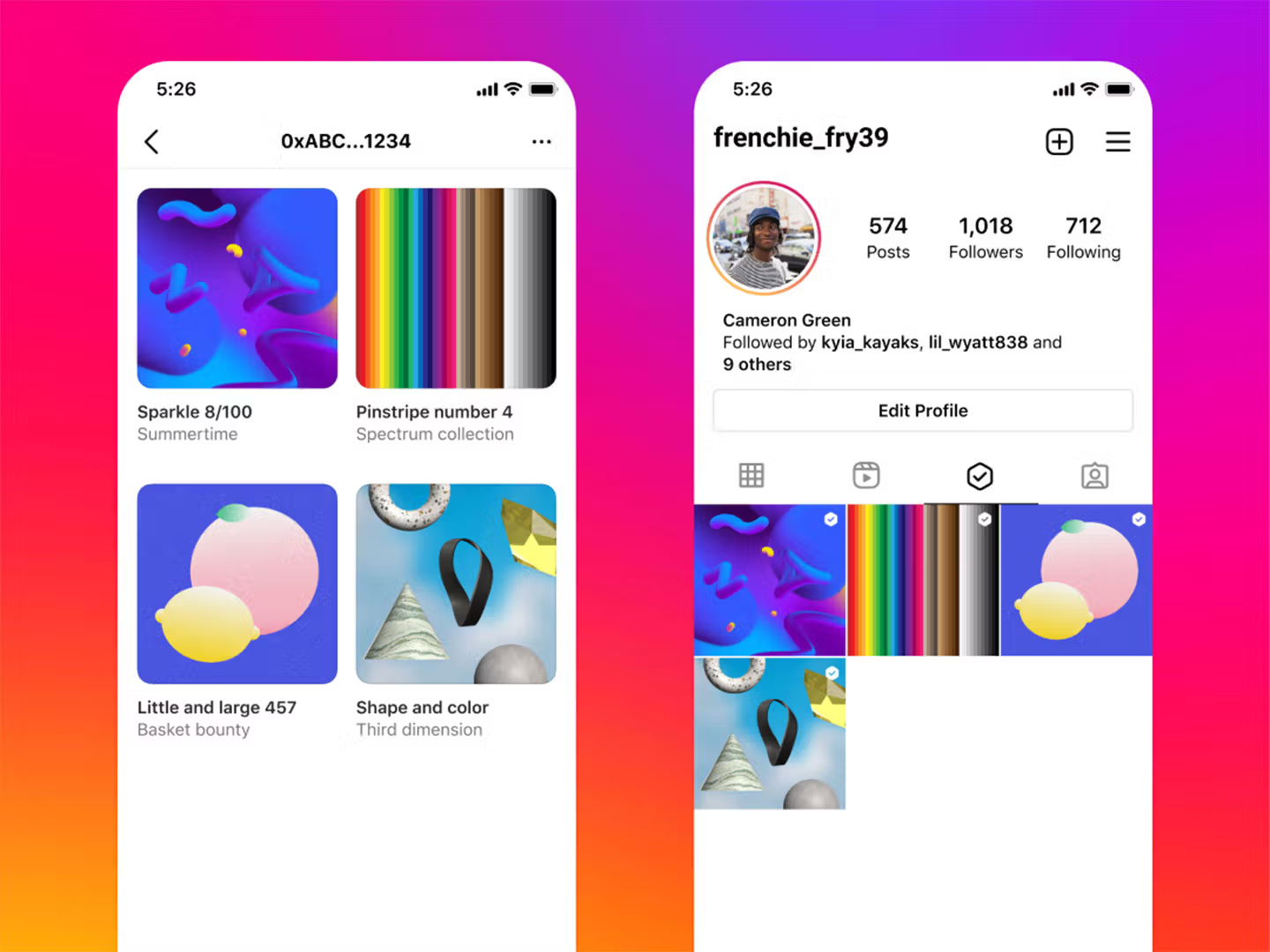
You can sell NFTs on social media. These are unique digital items that can be art, music, or offer special perks like exclusive access, experiences, or membership benefits. The idea is that NFTs provide real, ongoing value, not just look cool. OpenSea or Rarible platforms have made NFT creation accessible to everyone.
Create or buy an NFT and put it up for sale on a platform where NFTs are traded. You earn money whenever someone buys it. Some platforms also offer a creator fund to support digital artists and NFT creators.
Content syndication
You may share your popular posts, videos, or articles on other websites or platforms. By distributing your work across multiple online platforms, you can maximize your reach and monetization opportunities. When other publishers use your work, you earn money, and your content reaches more people over time. This works exceptionally well for creators who make viral, trending, or easily shareable videos.
Use platforms like Jukin Media or ViralHog to share your social media posts or negotiate directly with brands and websites that want interesting content.
Podcast monetization
Podcasts are popular, and social media lets people discover them. Creators can earn through sponsors, listener support, or paid content. When you share clips on social platforms, you attract more listeners.
Make a short video of the most interesting episode on your podcast and post it on social media. Look for sponsors on Podcorn or AdvertiseCast once episodes hit 500–1,000 downloads. Promote your podcast on social media to grow your audience – offer bonus episodes on Supercast or Patreon. Create a dedicated landing page to drive traffic from your social media promotions, making it easier to convert listeners, collect emails, or showcase monetization offers.
Paid community access
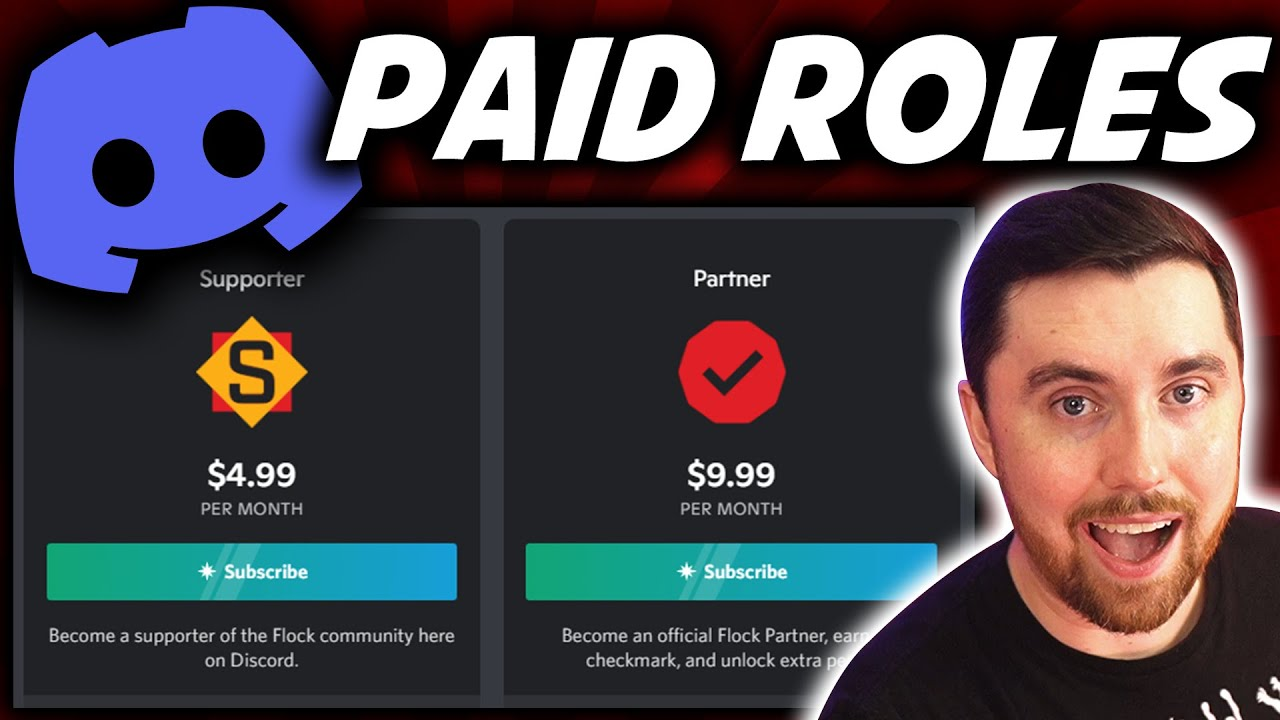
You can build paid communities on Circle, Discord, or similar platforms. Users will have to pay to get exclusive access. These communities can be extremely popular. Nurturing an online community is crucial, as it fosters loyalty and engagement among your members.
You must understand what your community will offer, for example, some niche content. Then, decide on a monthly fee and invite your followers to join. To engage users and keep members active, always offer fresh posts, regular events, or interactive conversations. This helps maintain a steady income.
Co-hosted contests and giveaways
Creators team up with brands for contests or giveaways and then share costs and rewards. People usually follow both accounts, like the post, tag friends, or share it. This helps the creator and brand get more followers and attention.
To start, reach out to brands that fit your audience and propose a joint giveaway. Decide on rules, prizes, and promotion channels. Use clear instructions for participants and schedule posts on social media to maximize engagement and reach. Posting content regularly about the contest is important to maintain excitement and maximize participation.
Branded print-on-demand merchandise
This approach lets creators sell custom merchandise without upfront costs or inventory. Products are made only when ordered, and third-party services handle production, shipping, and customer service. Social media integration makes promotion and sales easy for followers, and print-on-demand merchandise serves as a powerful sales tool for creators looking to monetize their brand.
Ask your audience which products they’d love. But always start with only a few quality items. Then create limited editions to spark interest, show them naturally in your content, price fairly, and promote with good photos or early-bird discounts.
Conclusion
Anyone can make money from social media today. You have just learned about the most popular social media monetization options and strategies. Choose one or two that fit your target audience and align with your social media presence. Find more information on how to correctly start monetizing social media accounts. Check other success stories, listen to expert tips, and don’t be afraid to give it a try. In many cases, it’s almost free of charge. With the right monetization strategy and steady revenue stream, your efforts can lead to real financial gains and help grow your bank account over time. You only need desire, patience, commitment, and a deep understanding of your social media channels and community building.