
What comes to your mind when you hear content?
Probably blog posts and articles. Some stay here, while others remember there’s a video, with podcasts following after. Then other formats that actually drive engagement. The sequence differs for many people.
However, the point is that content is beyond texts. While text matters, it makes up only one part of your communication approach with your audience. Moreso, not everyone in your audience loves text.
That explains why 79% of media publishers plan to scale up video marketing investments and 71% divesting to more audio formats like podcasts, with a shift from text-based outputs only, according to ReutersInstitute. Combining these different formats will help you maximize long-term engagement.
In this article, we’ll discuss the different types of major content formats and how to effectively use them.
- 7 days for free
- No credit card required
- Access to all premium features during trial
Why Is Using Different Content Formats Important?
Writing gives you depth, while video lets people see your face and hear your tone, which makes your ideas feel real. Audio creates a sense of familiarity that builds up over time.
Together, they result in faster audience connection, help you capture their attention, and ensure you stay top of mind.
Let’s break that down.
Faster Connection With the Audience
89% of buyers want brands to produce more videos because not everyone wants to read a long article. Some people connect faster with what they see or hear. If you stick to just one format, you speak to a small group and lose everyone else.
73% of people also admit they skim through blog posts rather than reading every word. Using multiple formats lets your message meet people where they feel most comfortable.
Easier to Capture the Audience’s Attention Everywhere
Attention also shifts with the time of day and your audience’s activity. They might check a post in the morning, then watch a short video during a break, and listen to a podcast while driving.
Adopting multiple content formats helps you exist in more than one channel, and you stay present in all those moments.
Repetition Helps Content Stick
Multi-format campaigns perform 44% better, on average, at improving memory recall than single-format campaigns. People rarely remember something after seeing it once.
But when they see the same idea in text, then hear it discussed and watch it again, it sinks in more deeply. This kind of repetition feels natural because every new format adds a fresh angle to the story.
3 Content Formats That Foster Engagement
The major formats of content include:
Blog Posts and Articles
Well-structured, informative articles still do heavy lifting for discovery and depth. There are also case studies, white-labels, documentations, support pages, and website FAQs. This format, however, needs to stay evergreen and align with search engines’ quality content requirements. For Google, that includes following E-E-A-T, which means writing content that is authoritative, trustworthy, based on experience and expertise, and must be reader-centric.
About 90.63% of pages receive no Google traffic, which makes updating and expanding proven pieces a smart bet over constant net-new creation. You can optimize by creating pillar pages with internal links, clear subheadings, and practical examples. For generative engine optimization, include quick breakdowns of points, frequently asked questions, and tables. With the help of a good AI visibility tool, you can identify which content formats and page elements are most frequently surfaced in generated responses, providing useful insights for future content optimization.
Videos and Webinars
Video forges an emotional connection and makes complex ideas easier to grasp. It also meets people where they are, via short clips for social, longer tutorials on YouTube, and live webinars for interaction. Wyzowl reports that 91% of businesses use video as a marketing tool, and marketers continue to see strong ROI and audience preference for video content.
For hands-on demonstrations or product showcases, featuring the actual tools makes a significant difference. Tom Rockwell, CEO at Concrete Tools Direct, emphasizes that “showing tools being used in real scenarios not only helps your audience learn more effectively but also strengthens credibility. Viewers are more likely to trust content that demonstrates practical application, as it reflects expertise, attention to detail, and confidence in the products being presented.”
Podcasts and Interactive Content
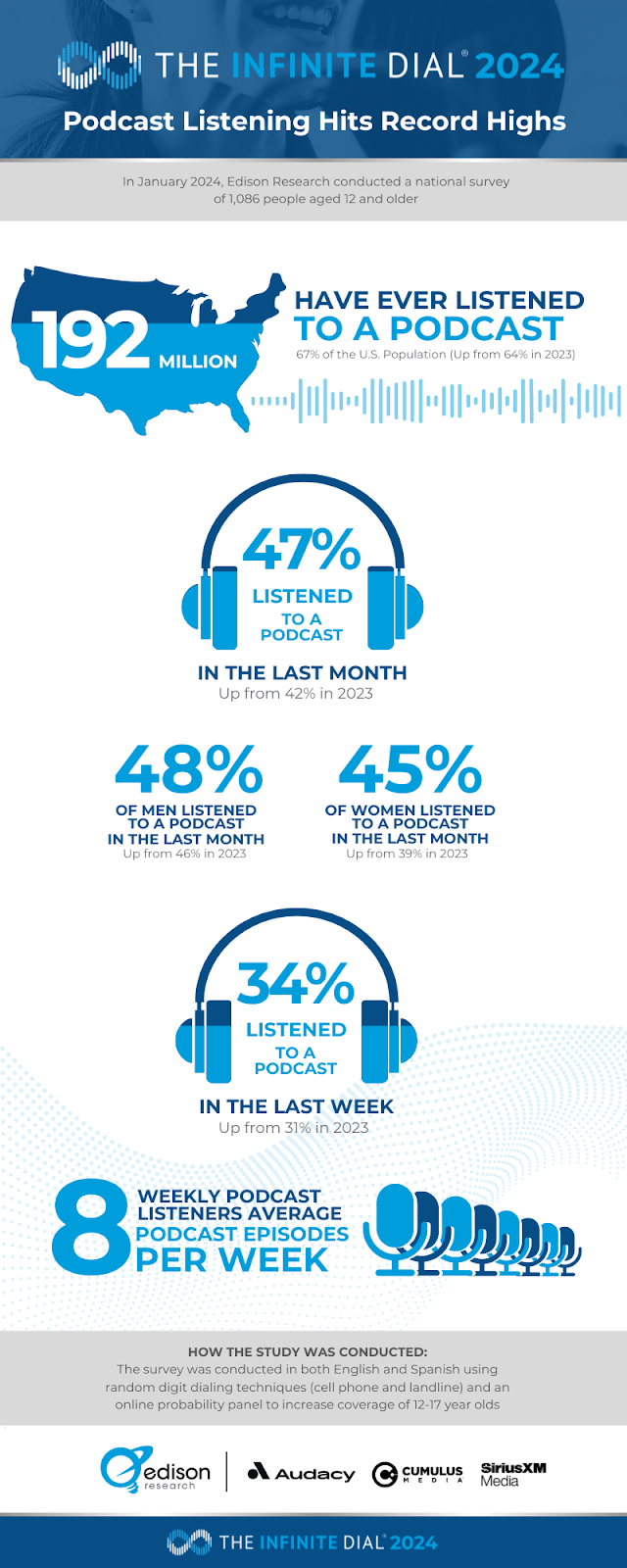
Podcasts are built for habit. They fit commutes, workouts, and walks, and moments when attention is focused but your audience has their hands filled with tasks. Edison Research’s The Infinite Dial 2024 reports that monthly podcast listening in the U.S. reached 47% of people ages 12 and up, underscoring how mainstream podcasting has become.
Series formats, recurring segments, and expert interviews give listeners a reason to subscribe and return weekly.
Interactive content such as quizzes, assessments, polls, and calculators encourages participation and provides immediate value. They also generate zero-party data you can use to personalize future content.
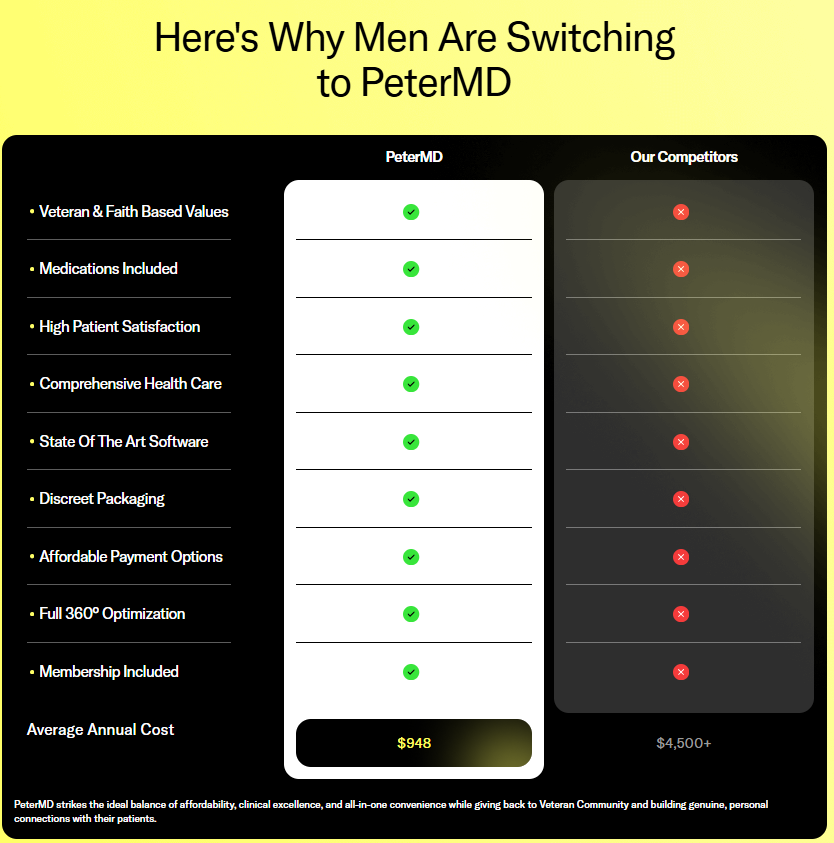
Comparison tables work in a similar way. They help readers evaluate options quickly without needing to leave the page, which reduces friction and increases engagement time. For example, structured comparison formats used in health and wellness content by PeterMD, allow readers to understand differences, pricing models, or treatment approaches at a glance. This type of format turns passive reading into decision-oriented interaction, which is one of the strongest drivers of repeat visits.
How to Maximize Engagement With Content Formats
While there are a good number of content formats you can use, knowing when and how to use them is equally important. This is how:
Identify Audience Needs and Preferences
Strong engagement starts with understanding what your audience is trying to accomplish. First, track behaviors to see what your audience clicks, where they drop off, how often they return, which topics lead them to explore another page, and what they save or share on social media.
A fast way to do that for blogs is by using heatmap tracking. For social media, you can use social listening, comments, quick polls, and short interviews fill in the “why” behind those patterns.
Others include:
- Surveying readers with one question in context, like “What were you hoping to find here?”, “What content format do you prefer?” or “What communication channel is your go-to?”
- Reviewing search terms that drive returning visitors, not just first-timers
- Noting what your highest-lifetime-value subscribers read, watch, or listen to most
Long-term engagement is also closely tied to trust and information clarity. Audiences are more likely to return to formats that help them verify information quickly or reduce uncertainty. Platforms such as Searqle, which aggregate publicly available information and background data in one place, reflect this shift toward content that prioritizes transparency and utility over attention alone. Formats that help users confirm information or make informed decisions naturally encourage repeat visits.
Use the outcome, especially the survey, to decide which content formats you should invest your money and focus in.
Content formats are also platform specific. If most of your audience is on TikTok and Instagram, visual formats automatically gain an edge.
Create a Hub for All Content Formats
A blog that does not lead to a video, or a video that does not point back to deeper reading, forces the audience to do extra work. Most people will not. A content hub solves this by giving every format a clear place and purpose.
Start by organizing content by topic rather than by channel. One core idea should connect articles, videos, audio, and visuals in a way that feels intentional. When someone finishes a long read, they should see a natural next step, such as a short explainer video or a related discussion. This keeps the momentum going rather than ending the session.
According to Samuel Charmetant, Founder of ArtMajeur “Add related content modules that truly match the reader’s intent. Refresh high-performing pieces regularly by adding updated examples, context, or an embedded format that supports the original message. Place subscription prompts at moments of high interest, such as after a full guide is completed or when a user consumes multiple pieces in one visit.”
Distribute via Multiple Communication Channels
Creating strong content is only half the work. Distribution determines whether it actually reaches people. Since your audience rarely relies on one channel, your content shouldn’t either.
Create and distribute content in multiple formats for different platforms. Visual content travels faster on social platforms built for discovery, while long-form content performs better where users are already in a learning mindset. Email supports consistency and return visits. Messaging platforms help with immediacy and reminders.
Adapt each format to the channel where it feels natural, while keeping the core message intact. This helps distribution align with behavior and ensures engagement is repeatable rather than accidental.
Measure Engagement and Optimize Your Content Formats
If you only watch page views, you’ll miss whether people actually stick around. Instead, look at the retention rate and return frequency. Track how often users return to consume multiple pieces of content and measure the average time between visits.
Useful metrics to track over time:
- Return frequency: how often a user comes back in 7, 30, or 90 days
- Average time between visits: shorter intervals mean habit formation
- Engaged time or active engagement: time spent with real activity, not just the tab open
- Depth per session: pages per visit or multi-asset consumption
- Saves and subscribes: newsletter signups, “save” on social, playlist adds
- Cohort retention: what percent of a cohort returns in weeks 1–8
- Completion rate: article scroll depth, video watch time, and podcast average consumption
As Ryan Walton, Program Ambassador of The Anonymous Project, explains, “Traffic tells you how many people showed up. Retention tells you whether your content was worth coming back for. Sustainable growth comes from creating experiences that audiences choose to repeat, not just content that attracts clicks once.”
Tools like GA4 offer cohort exploration and retention reporting for your website. Podcast platforms such as Apple Podcasts provide average consumption and retention curves, and YouTube surfaces watch time and audience retention patterns.
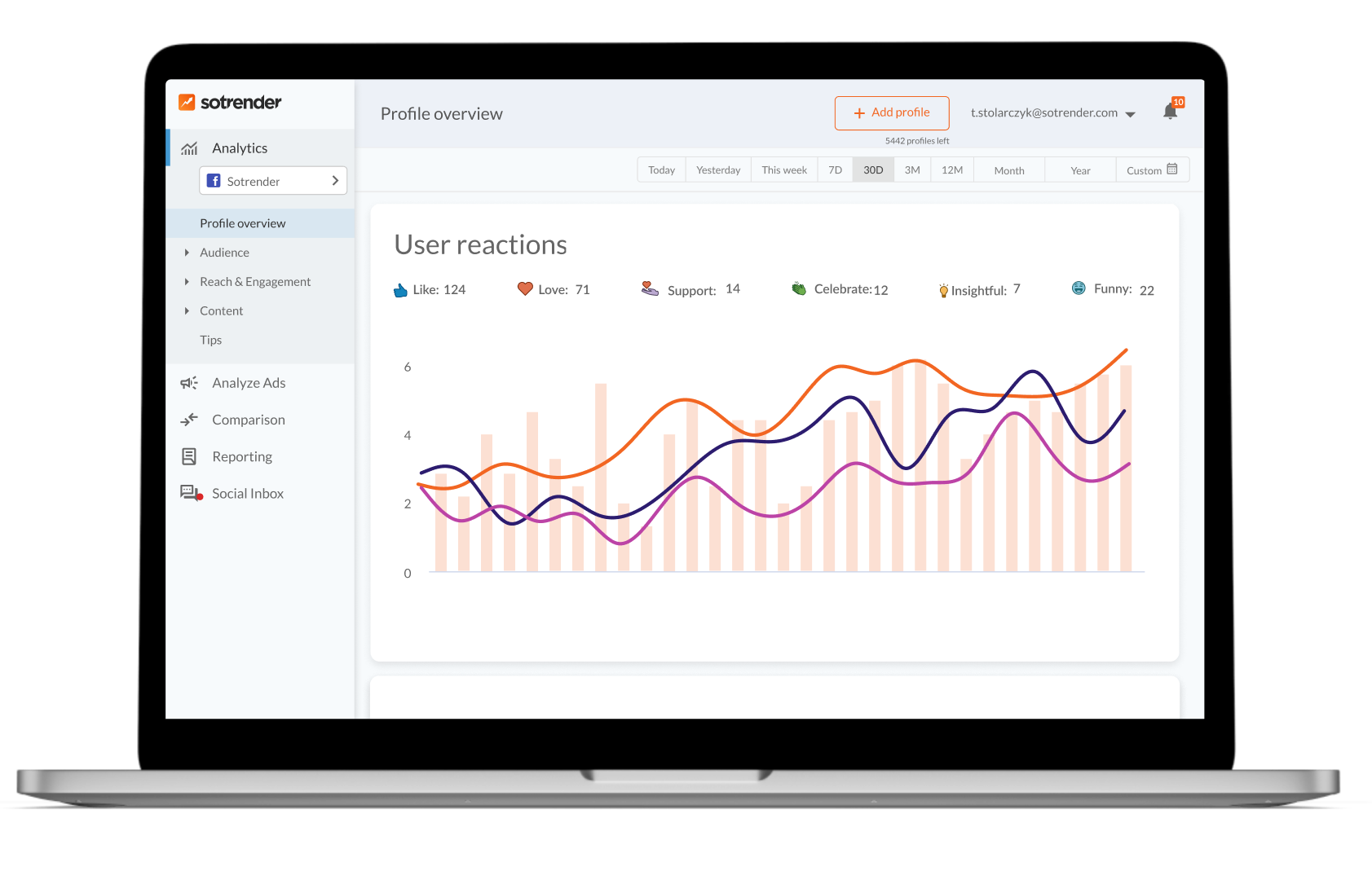
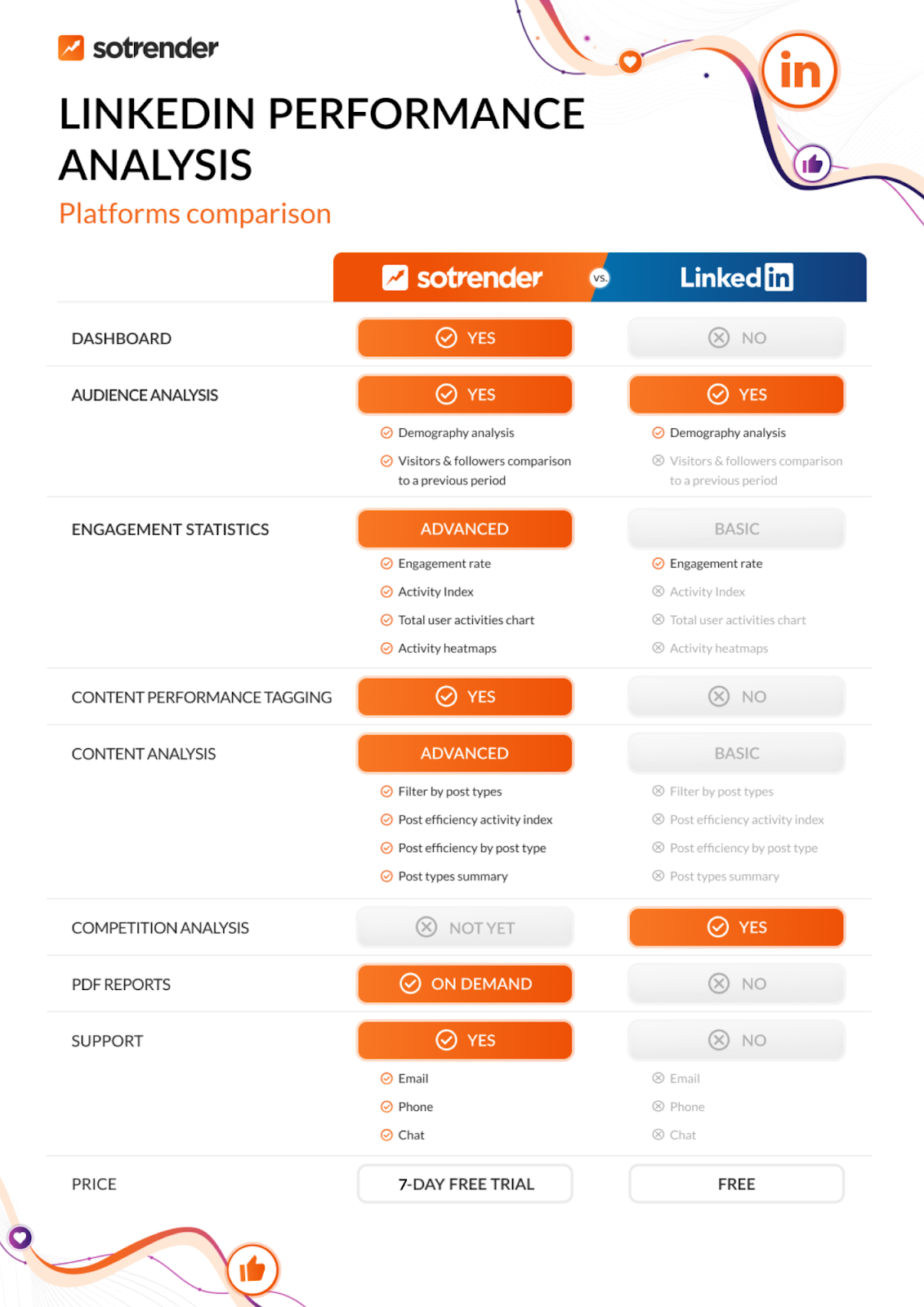
Platforms like LinkedIn also offer native analytics. But it might not provide all you need to understand audience behaviors. You can alternatively use Sotrender for a more detailed analytics report.
Brand Using Multi-format Content to Build Long-Term Engagement
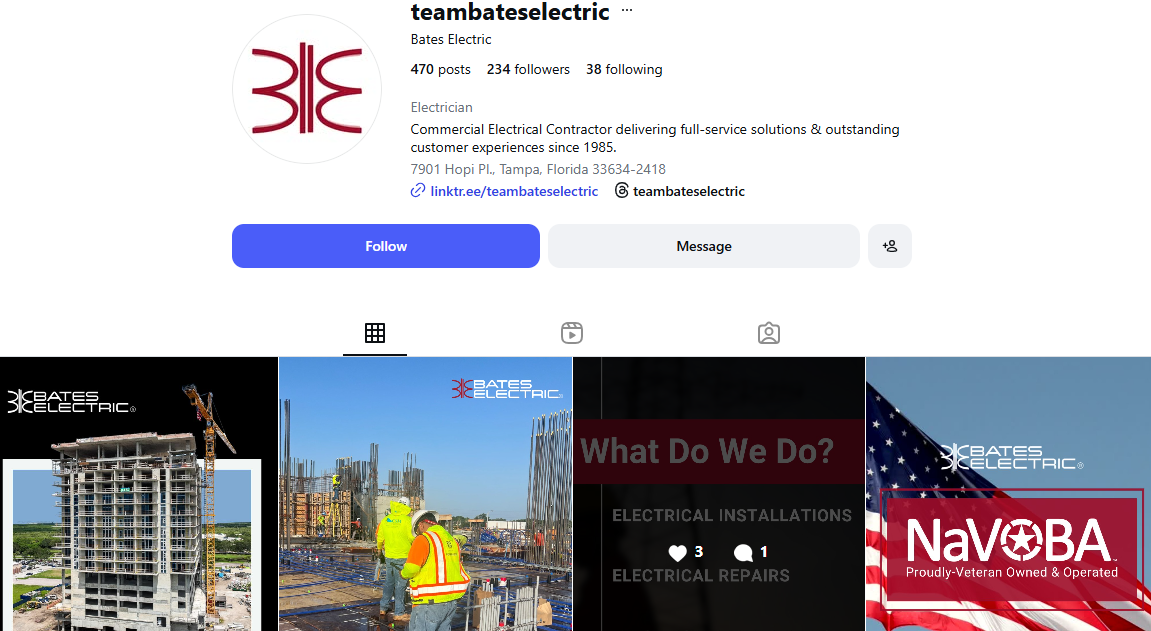
Andrew Bates, COO at Bates Electric, explains, “We use our blog to provide in-depth guides, share updates, and highlight projects, while Instagram brings our work to life visually, and videos show processes in real-time. This combination ensures our audience sees our expertise, understands our workflow, and stays connected across platforms.”
Let’s see a few of the other brands already scaling multi-format content.
GoPro
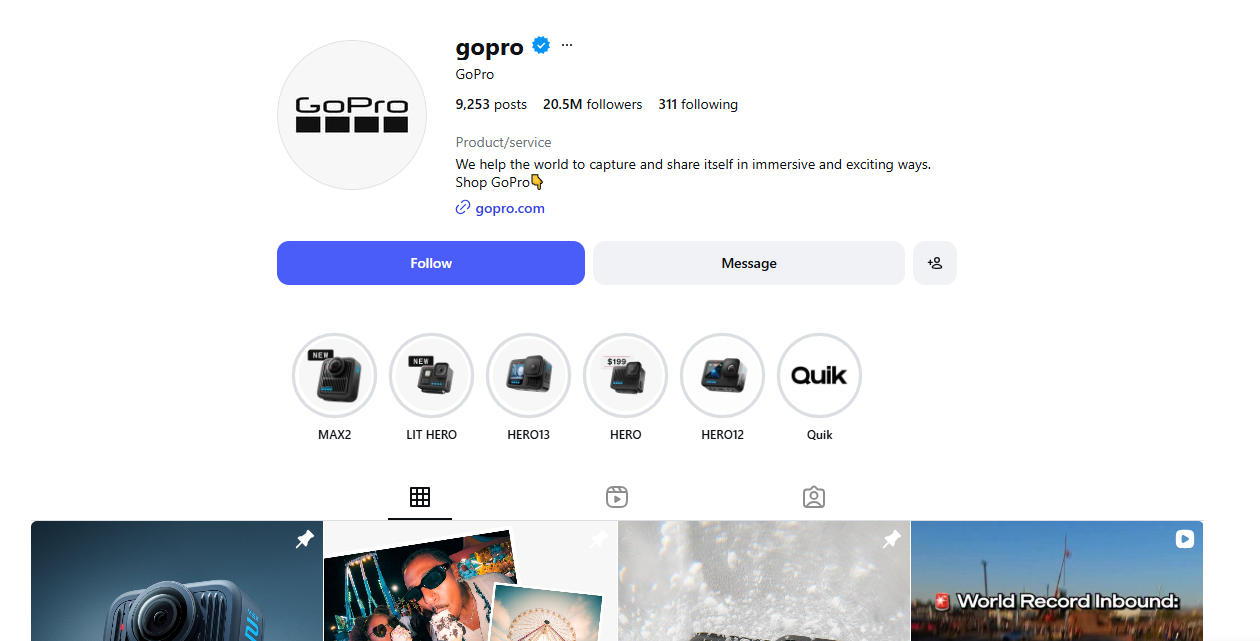
GoPro turns you and your friends into the main attraction. They share high-energy user footage on YouTube and on Instagram vertical reels. They also run a digital magazine, The Current, which publishes stories and photo essays. With over 11 million subscribers on YouTube, GoPro has built a massive community that creates the content for them.
Moz Whiteboard Friday
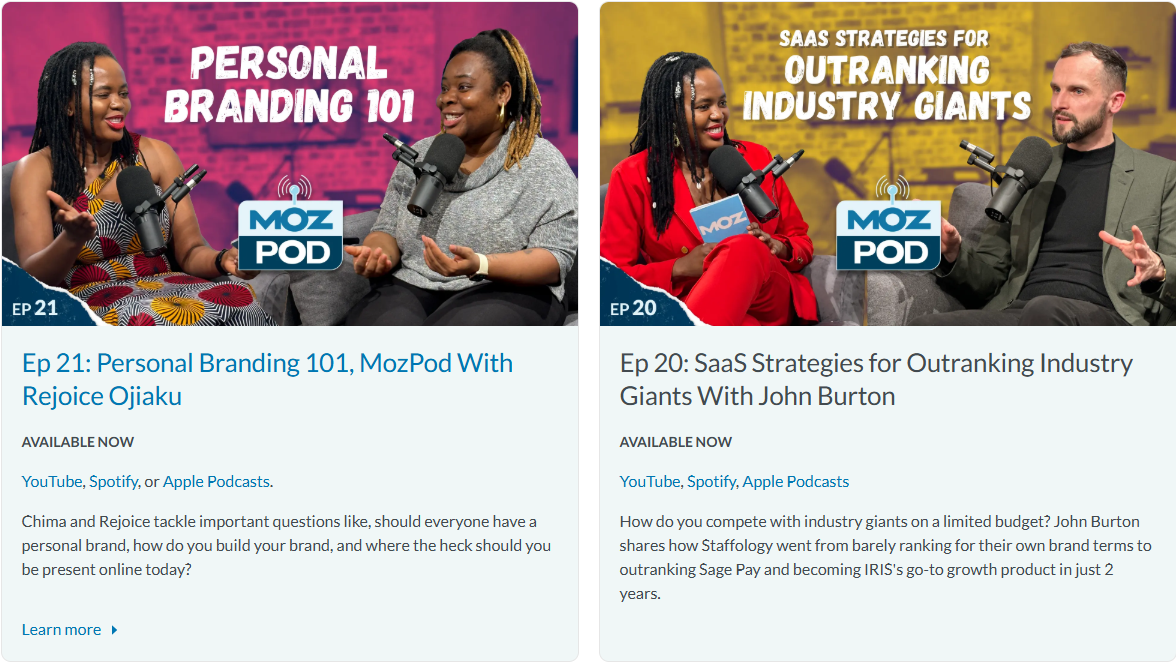
For more than 15 years, Moz has built a loyal audience with a simple video and blog format. Every week, they post a deep dive on YouTube and include a full transcript on their website. They also provide a high-resolution image of the whiteboard so you can learn at a glance. You can even find audio versions on various podcast platforms where they discuss the same SEO topics. This strategy helps them stay present in your routine, whether you are reading or listening.
Red Bull
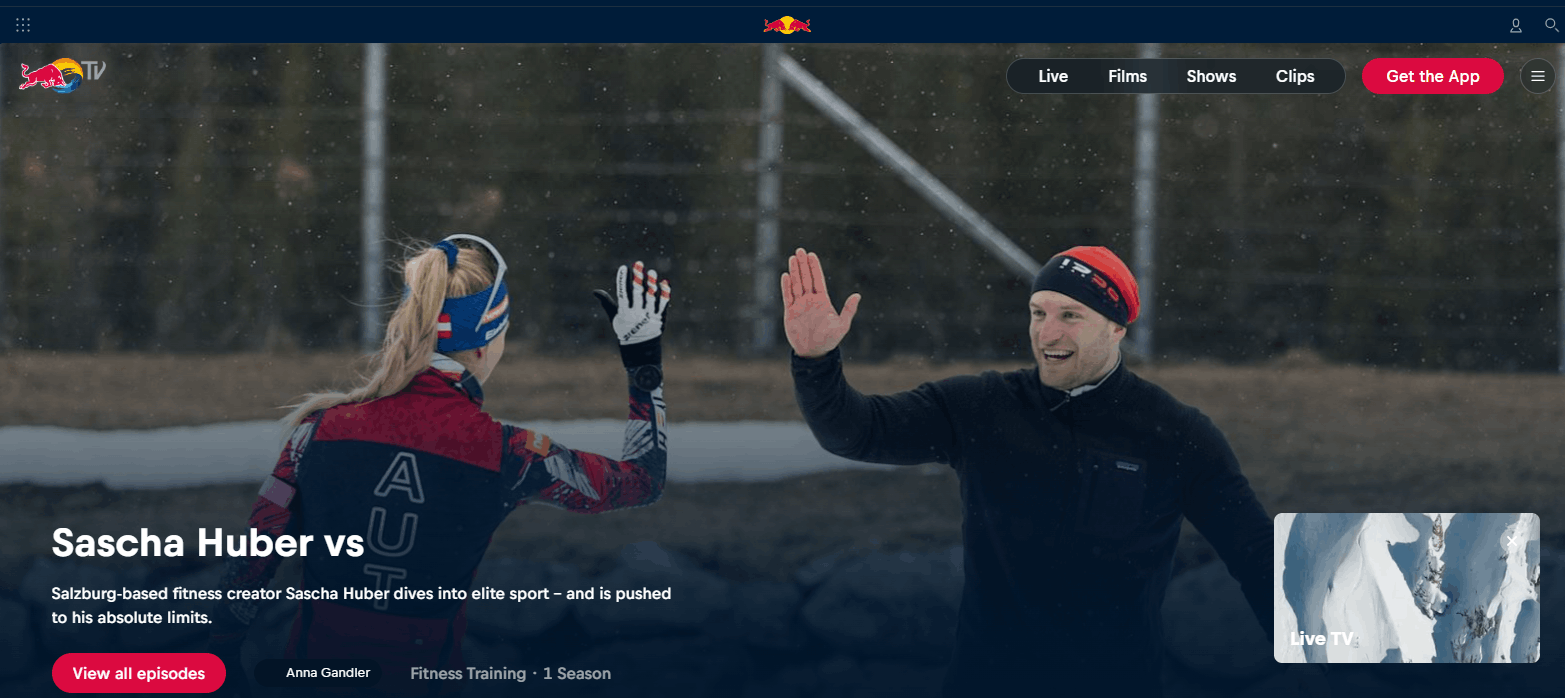
Red Bull operates more like a media company than a drink brand. They publish a print magazine, The Red Bulletin, and stream live sports on Red Bull TV. Their YouTube channel features high-production stunts, while their Instagram focuses on short clips. They even run their own podcast network to reach listeners on the go. These ensure you see their brand whenever you look for adventure.
Conclusion
Content is still king in 2026. However, your audience is no longer looking for chunky text-based formats any longer. They need a mix of that with visuals, like videos and graphics, and podcasts. They want interactive content that gives them a personalized experience.
To offer that, first determine what type of content your target audience would love. Send surveys, track your website with heatmaps, use social listening tools, and leverage GA4 to uncover as much as possible.
Then use the data gathered to create formats that align with your audience’s needs, distribute them across different platforms, and measure engagement to iterate.