
TikTok has evolved beyond a short-form video app into a powerful content engine for digital marketing. 90% of marketers say short-form video grows engagement, making TikTok a smart starting point. What began as quick videos now sparks trends that spread across Instagram Reels or YouTube Shorts.
Instead of making different videos for every platform, you can start with original content on TikTok and repurpose it for your other social media accounts. That way, you can keep your voice constant and remain visible where your audience scrolls. So if you’re ready to boost results without burning out, here’s how you can make your TikTok videos work harder for you.
- Try it free for 7 days
- Securely grant access to collaborators
- Analyze historical data
Introduction to Cross-Platform Content Strategy
Building a strong online presence is essential for brands, businesses, and creators. With so many social media platforms available, it’s no longer enough to focus on just one. Your target audience is spread across TikTok, Instagram, YouTube, Facebook, and more, each with its own preferences and content styles. That’s where a cross-platform content strategy comes in. By repurposing TikTok videos for multiple platforms, you can reach new audiences, boost engagement, and make the most of every piece of content you create. Repurposing TikTok content means adapting your videos to fit the unique requirements and audience preferences of each social media platform, ensuring your message resonates everywhere your audience spends time. In this section, we’ll explore why repurposing TikTok videos is a smart move and how you can use this approach to maximize your impact across social media.
Benefits of Repurposing TikTok Content
Repurposing TikTok content unlocks a range of benefits for creators and brands looking to grow their presence across multiple platforms. By sharing your TikTok videos on other platforms, you can reach a broader audience and connect with different demographics who may not be active on TikTok. This approach helps you increase your overall reach, drive more engagement, and build a stronger community around your brand. Repurposing also saves time and resources, as you’re leveraging existing videos instead of starting from scratch for each platform. Maintaining brand consistency becomes easier, too: your audience will recognize your style, voice, and message no matter where they find you. Plus, adapting TikTok content for other platforms allows you to overcome platform-specific limitations, such as video length or caption restrictions, ensuring your message gets through. Ultimately, repurposing TikTok content helps you create a seamless brand experience and maximize the value of every video you produce.
Why TikTok Content Is Ideal for Cross-Platform Use
Short-form video content has evolved into the center of digital marketing ideas. With the vertical format as the ideal aspect ratio for short-form videos, trend-based engagement, and smart features, creating attention-grabbing content no longer requires a large team. TikTok’s short videos easily grab attention because they feel real, not overly produced.
TikTok users, known for being a young and dynamic audience, prefer authentic, trend-driven content, which influences how videos are created and shared.
Rather than relying on polished edits, share moments that others can relate to, which keeps viewers watching. Using your TikTok videos again for Instagram Reels or Facebook Stories creates repurposed videos, allowing you to adapt content for different audiences and platform guidelines, which can enhance engagement and reduce your budget. With every video doing more work, you stay present across channels while putting in less effort.
How to Repurpose TikTok Content and Maximize Engagement on Each Platform
Take note that videos perform best on TikTok when they feel real, honest, and easy to follow. Since the app pushes videos based on how viewers react, it helps to start strong and keep things clear. To adjust your strategy, here’s how each platform fits various audiences and content formats: Remember to repurpose your TikTok videos by tailoring them for each specific platform. Make sure to edit your content to fit the requirements and audience of each specific platform for the best results.
Before you start sharing your TikTok videos on other platforms, it’s important to prepare them for a smooth transition. Begin by downloading your TikTok videos in high quality and, if possible, without the TikTok watermark. This keeps your content looking clean and professional. Use third-party tools or built-in editing features to adjust aspect ratios and formats so your videos fit perfectly on each platform, whether it’s Instagram Reels, YouTube Shorts, or Facebook Stories. Add platform-specific captions and text overlays to make your message clear and engaging for each audience. Don’t forget to check for copyright issues. Make sure you have the rights to any music, images, or other elements used in your videos to avoid copyright infringement. By taking these steps, you’ll ensure your TikTok content is ready to shine across multiple platforms, helping you maintain a polished and consistent brand presence everywhere you post.
Instagram: Focus on Reels, Stories, and Visual Aesthetics
When you reuse a TikTok clip, it helps to adjust the caption or change the color tone to fit the platform’s style. Consider adding filters to enhance the visual appeal of your video before posting it on Instagram. Adding a thumbnail or a carousel in your main feed also draws more attention to your video. Use trending hashtags in your niche and share short, engaging Reels like quick tips or behind-the-scenes clips. Don’t forget to tag others using the Collab feature to increase reach and spotlight fellow creators
YouTube Shorts: SEO and Extended Lifespan
Short-form videos work well here, especially when they teach something or tell a story clearly. Since content stays searchable longer, even one strong clip can keep bringing in new views over time. Try adjusting the title or a few details to match the platform’s focus on discovery. Write clear video titles that match what viewers search, and turn short videos into playlists so individuals can watch longer. YouTube Shorts offers seamless integration with the main YouTube platform, making it easier to reach new audiences and leverage existing subscribers.
LinkedIn: Professional Positioning of TikTok Concepts
To post on LinkedIn, you need to focus on sharing important tips or insights that others can learn from. When your message sounds thoughtful and work-related, it fits better on this platform. Aside from that, make sure to add personal thoughts to make posts more engaging and relevant to industry trends. You can also expand on TikTok ideas by developing long form content for LinkedIn, such as articles or in-depth posts.
Twitter/X: Pulling Shareable and Quote-Worthy Moments
Fast-paced platforms like Twitter reward posts that grab attention right away and invite interaction. Instead of reposting the full video, try clipping one strong moment or line that feels bold or emotional. Select relevant TikTok clips to share on Twitter/X to maximize engagement and illustrate key points. Also, pair it with a short question thread to keep the conversation going and reach a larger audience. Turn TikTok topics into threads with images or quote cards to spark interest and keep readers engaged.
Facebook: Community-Oriented and Longer Engagement
Older audiences prefer content that feels familiar and meaningful, which makes personal stories work well. When turning a TikTok into a Facebook post, add a caption that explains the video or connects it to a real-life experience. You can also share your TikTok videos on Facebook Reels to reach a wider audience and take advantage of the platform’s support for vertical videos. With more comments and shares, your content stays visible for a longer time.
Effective Techniques to Repurpose TikTok Content Across Channels
Adjust Formats for Each Platform
Around 85% of social media users watch videos with the sound off, which means captions and clear visuals matter a lot. Here are the key things you need to adjust:
- Aspect Ratio: TikTok uses 9:16, while YouTube prefers 16:9, and Instagram feeds often require 1:1, so use resizing tools to keep visuals centered
- Length: Reels can run up to 90 seconds, Shorts are capped at 60, and LinkedIn performs best with shorter clips, so trim your content accordingly
- Text and Captions: Resize on-screen text to avoid blocking visuals. Use text overlay within each platform’s native editor to highlight key messages and improve searchability. Always include good captions, as adding captions boosts accessibility and engagement across platforms.
Use the Hub-and-Spoke Model
Take note that it is essential to utilize the Hub and Spoke Model when it comes to repurposing content. By starting with one platform as your central hub, you can streamline the content repurposing process and ensure your message is consistent across all channels. This helps you stay consistent while adapting the message for each platform. For you to understand more, here’s a simple table to explain how the Hub and Spoke Model works:
| Platform | Content Type | What You Do |
|---|---|---|
| Tiktok (hub) | 30-second skincare routine video | Show how to use your vitamin C serum in a morning routine |
| Instagram reels (spokes) | Trimmed version with trending music | Cut the TikTok video shorter and add popular background music |
| Youtube shorts (spokes) | Full video with voice-over | Keep the full clip but add a voice-over explaining benefits |
| Facebook stories (spokes) | Behind-the-scenes clips | Use fun BTS footage from the shoot to show brand personality |
Preserve Brand Identity
When you post on different platforms, use the same logo, business cards, colors, and font so your audience knows it’s your brand. Make sure your captions are easy to read and placed where they don’t block faces or key visuals. TikTok works well with casual slang and viral sounds. If you’re sharing career tips, say it in a respectful tone for LinkedIn.
How to Extend Your Content Value Over Time
Apply the 30-Day Content Calendar Plan
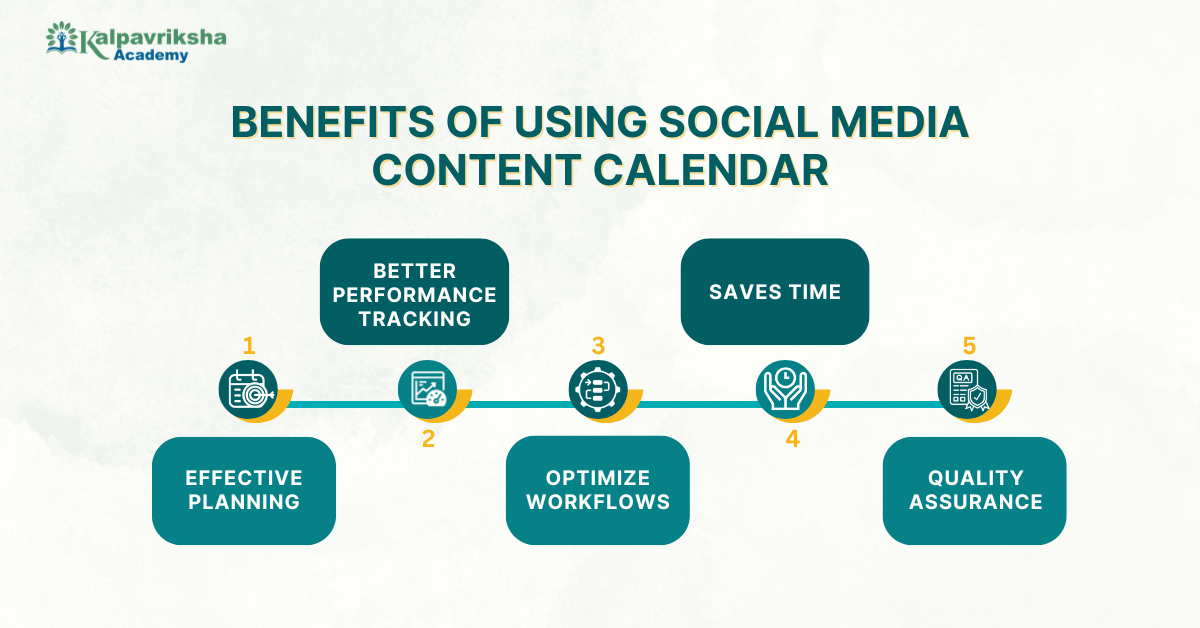
Using a 30-day content calendar helps each video know what content to post on other platforms, like Instagram or YouTube. Here’s how to use your 30-day content calendar to map social content weeks in advance:
- Pick 4–6 main TikToks to utilize as your base content for the month
- Break each video down into smaller parts, like short clips or quotes—especially by using longer videos as source material for multiple short-form clips
- Assign formats and platforms, like stories, for each repurposed piece
- Space the posts out across the month to avoid sharing content closely
Extract Audio for Voice Content
If you’re sharing tips or telling a story, turn that sound into a short podcast clip. Creators like Jay Shetty take voice parts from their videos and use them in podcasts to reach more listeners. Add a quick intro and clean up background noise to match your brand, then schedule it as part of your weekly content.
You can check out one of his videos here: 6 Steps to Retake Control of Your Life | TikTok
Create Visual Posts from Key Moments
Start by picking the main points from your TikTok video, like steps, tips, or key moments that stand out. Platforms like Instagram and LinkedIn work well for this format since slides keep viewers engaged. Don’t forget to use simple text, helpful screenshots, or short quotes to make each slide easy to understand.
Develop Blog Posts from Viral TikToks
Once a TikTok gains a lot of views and likes, it shows the topic interests your audience. Turning that idea into a blog post lets you explain it in detail or answer questions the video missed. For instance, a gym coach who went viral with a quick workout tip increased their website traffic by writing a blog post on the routine.
How to Track and Measure Performance Across Platforms
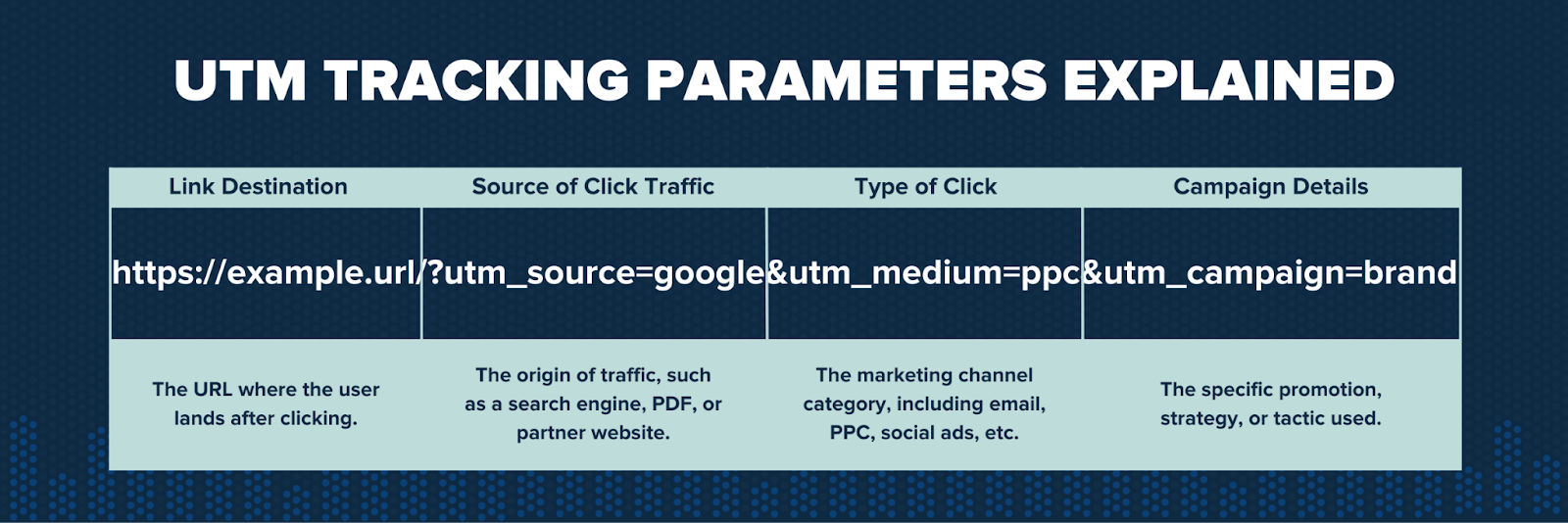
Step 1: Track Traffic Using UTM Parameters
Start by adding UTM codes to all your social links, especially for cross-channel campaigns. Without UTM codes, it’s hard to know which post or platform brings traffic or conversions. But tools like Google Analytics can track each link’s performance and show what works. UTM tracking has been shown to boost campaigns by up to 75%, so skipping it means missing key insights that affect your strategy.
Step 2: Align KPIs with Platform Goals
Different platforms support different goals, so your KPIs should match what each one does best. Instagram fits for brand visibility, while LinkedIn is good for quality connections. Focus on the metric that fits each platform’s strength so you track progress instead of chasing numbers that don’t lead to results.
Step 3: Use Attribution Models for Better Insight
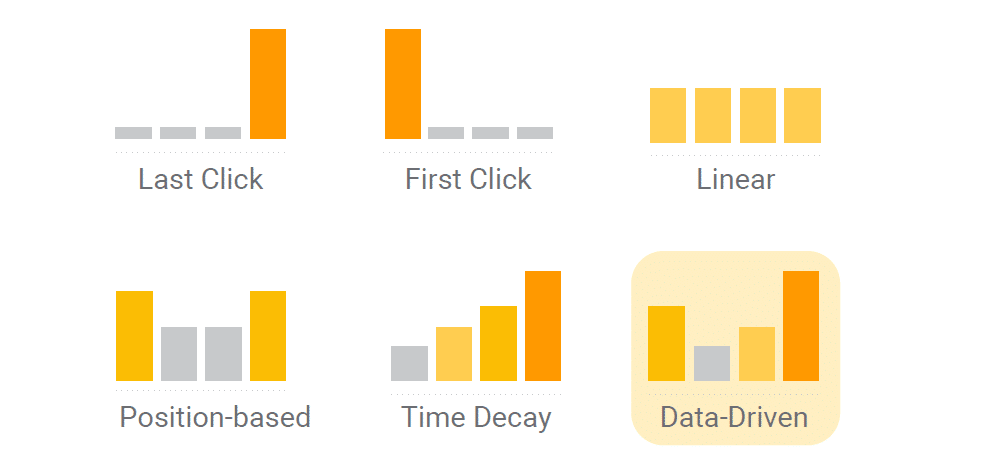
Sales or signups come from a mix of actions across different platforms, not just one post or campaign. Multi-touch attribution models help you see the journey by giving credit to each step that affects the decision. 72% of marketers say knowing the full customer journey is key to boosting campaign results.
Here are common attribution models:
- First-touch: Full credit will be go to the first interaction
- Last-touch: Final action receives all the conversion credit
- Linear: Equal credit will be shared across all touchpoints
- Time-decay: Recent actions before conversion get weight
- Position-based: Focuses credit on the first and last interactions
- Data-driven: Machine learning decides credit based on behavior
Step 4: Calculate ROI Across the Ecosystem
Begin by reviewing how much time, budget, and energy go into each platform before jumping into results. Instead of focusing on likes or views, look at real outcomes such as leads, conversions, or sales. Additionally, pull data from all sources to understand the complete return, not just isolated wins.
Step 5: Leverage Unified Analytics Tools
You can use tools that bring all your data into one place, so you don’t have to open each platform separately. Using a unified dashboard gives a clear picture of how everything performs across channels.
Plus, tools like Google Looker Studio or HubSpot make it easier to track trends and compare results. However, if you don’t use a unified tool, tracking performance becomes messy and time-consuming.
Turn Your Repurposed TikTok Content Into Revenue Across Platforms
Use TikTok to Boost Paid Campaigns Elsewhere
When a TikTok gains strong traction, it shows the content resonates with viewers. Take that same video and use it in paid ads on platforms like Instagram or Facebook. Make a few changes, like adjust the size, refresh the caption, and include a clear call to action, so it fits the format and tone of the new platform.
Optimize the Cross-Platform Funnel
Start with TikTok to build attention, but make sure that traffic leads somewhere useful. Guide viewers toward your product page, sign-up form, or place where a sale or conversion can happen. In addition, use tools like bio links, pinned comments, or link-in-bio services to point traffic in the right direction.

Coordinate Affiliate Links Across Platforms
Content that performs well on TikTok can work in other places too, so share the same idea on Instagram Reels or Facebook. Put product tags or affiliate links when allowed. Just like MrBeast turns one video idea into clips, posts, and updates across all his channels, each one builds more views and income.
Expand Brand Deals with Multi-Platform Reach
Brands no longer settle for a single post; they want consistent visibility across different platforms. When one of your TikToks gains traction, use that momentum to pitch a complete content package. Repurpose the same concept into an Instagram Reel or even a carousel post to show how the trend fits everywhere.
Use Advanced Tactics for Even Greater ROI
Use Platform-Specific Teasers
Avoid posting the same content on every platform, as this leads to missed opportunities for engagement. Give your followers a reason to explore each space by offering something unique in every channel. Having a teaser on TikTok builds interest, while the full product reveal goes out through your newsletter.
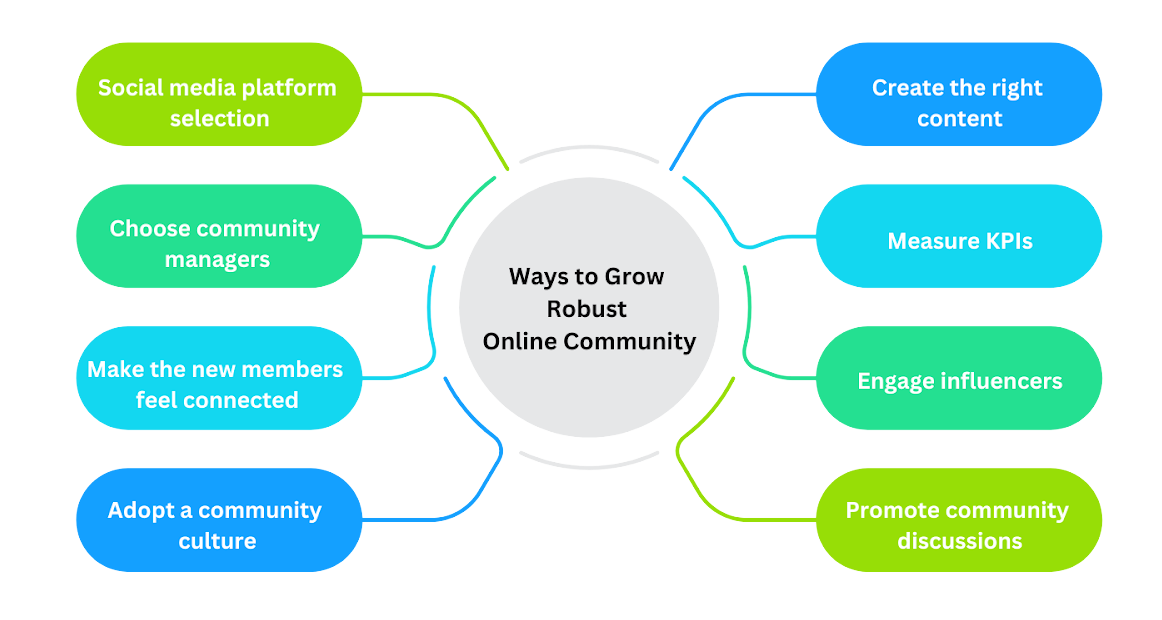
Build Communities Across Channels
Instagram works well for interactive content like polls and Q&A sessions that feel fun and engaging. On Facebook, you get better results by sharing exclusive updates or behind-the-scenes moments. LinkedIn fits best with professional stories, insights, or industry tips.
TikTok, on the other hand, favors fast-paced, casual videos, with over 73% of users saying they prefer short, entertaining content. Partnering with creators helps you reach new audiences faster, especially when their style matches yours.
Adapt Content to Fit Each Platform’s Culture
Take note that not all platforms work the same, so the way you share content should match the space. That’s why you should keep your core message but change how it’s delivered based on the platform’s tone. Remember to use casual, quick edits on TikTok while choosing a professional language for LinkedIn.
Prepare for Crisis Response Across Platforms
Online issues can spread quickly, so have a response plan ready that fits the tone of each platform you use. When something goes wrong, give clear updates that show you’re aware and taking steps to fix it. Keeping your message steady across channels avoids confusion and shows that your brand is reliable.
Troubleshooting Common Issues
When repurposing TikTok videos for different platforms, you might run into a few common challenges. Sometimes, the video quality drops after downloading or editing, or the aspect ratio doesn’t match the requirements of the new platform. Audio sync issues and missing captions can also affect the viewer experience. To solve these problems, use reliable video editing tools to adjust the aspect ratio, resolution, and audio levels as needed. Third-party tools can help you add or fix text overlays and captions, ensuring your message stays clear. If you encounter platform-specific restrictions—like video length limits or file size caps—trim or compress your videos accordingly. For persistent issues, check the support resources or community forums for each platform, where you’ll often find solutions and best practices shared by other creators. By staying proactive and using the right tools, you can ensure your repurposed TikTok videos look and sound great on every platform.
Essential Tools and Resources for Content Repurposing
Creation and Editing Software
CapCut, Canva, and Adobe Suite help you create polished content that fits your brand. These tools enable you to produce an edited video that is polished, watermark-free, and optimized for each platform. CapCut is easy to use for trimming clips or making reels. Canva lets you turn ideas into graphics fast, especially for quotes or promos. When you need control, Adobe tools offer deeper editing options without losing quality.
Cross-Platform Publishing Tools
Tools like Metricool, Hootsuite, and Later help manage content across different platforms in one place. Rather than switching between apps, plan and schedule everything from a single dashboard. These platforms often include outreach tools for connecting with influencers and collaborators, making it easier to expand your network while managing your content calendar. Don’t forget to preview each post before publishing to make sure that it matches your brand.
Analytics and Reporting Platforms
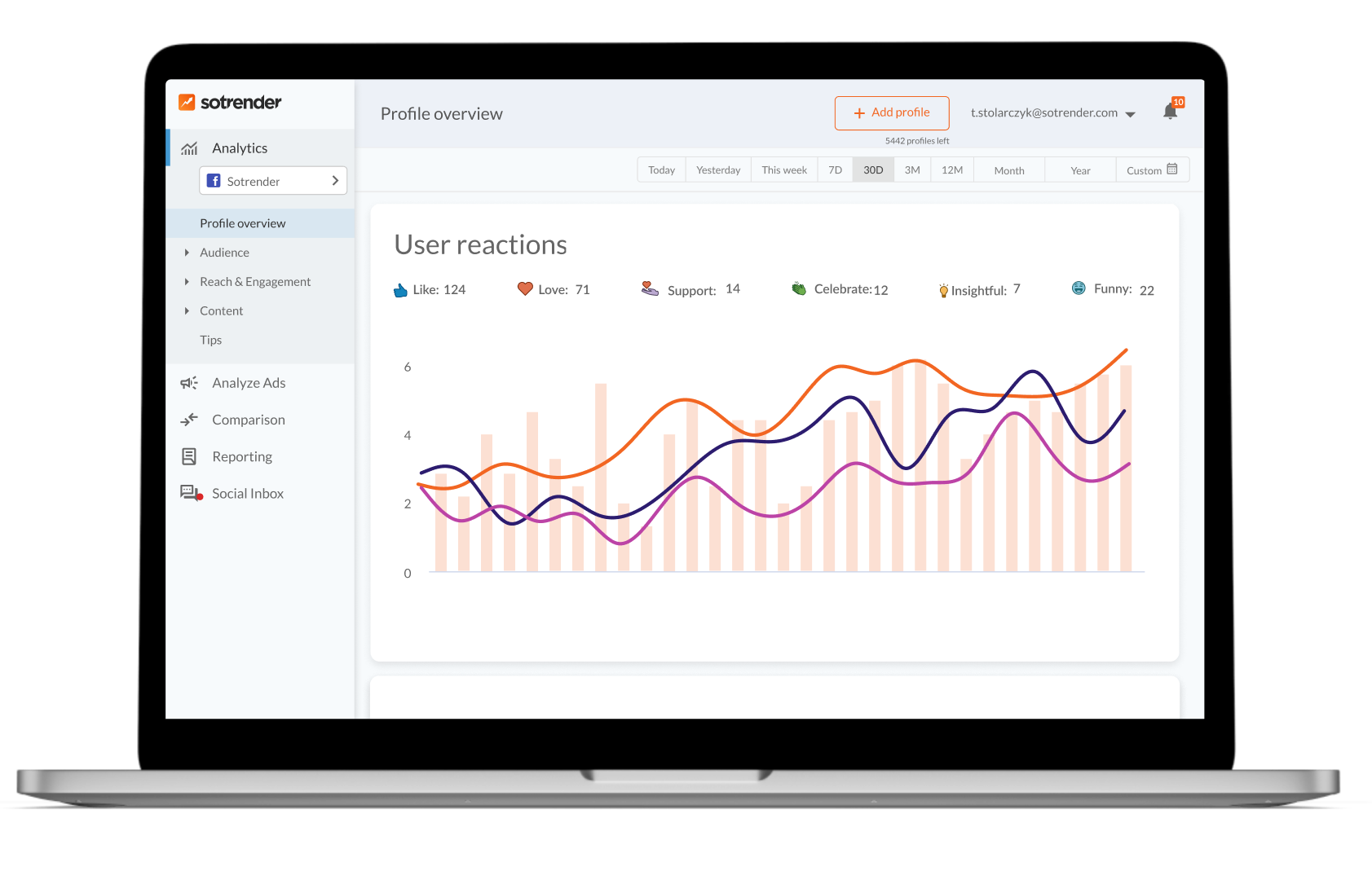
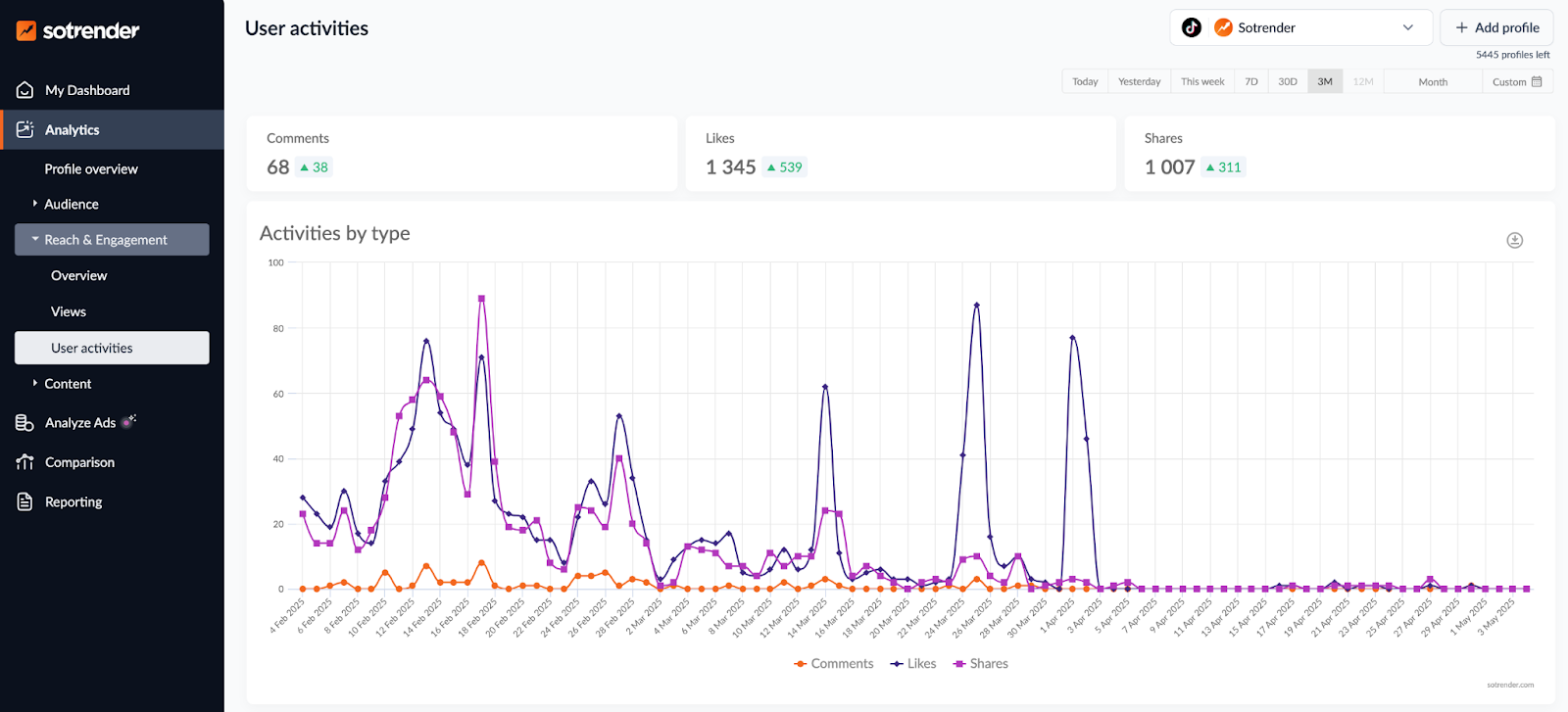
Sotrender and Google Analytics help you understand how your content performs. Sotrender gives clear insights into likes, shares, and comments across each platform. Google Analytics tracks how posts lead to clicks or signups. With both tools, it’s easier to adjust your strategy and focus on what brings real results.
Templates and Brand Kits
You don’t need to choose fonts or colors each time because you have everything in one place, from logo to layouts. So if turning a video clip into a blog graphic, open the template, swap the text, and you’re done. Teams that use brand kits and templates can save up to 30% of the time spent on design work.
Budget Planning Systems
Planning your content budget gets easier with a simple spreadsheet or a free tool like Google Sheets. Here’s how to do budget planning systems:
- List all of the tools, platforms, and services you pay monthly
- Track results by platform to see where content performs best
- Set a fixed monthly budget and adjust based on its past results
- Use color codes to separate ad spend, tools, and content costs
How to Future-Proof Your Content Strategy
Adapt Quickly to Algorithm Changes
Algorithms often shift, and when that happens, what worked last month may not work now. See your content performance monthly, and if views or clicks drop, test a new format. Ignoring changes leaves your posts buried, like if someone kept posting long videos after the platform started pushing short clips.
Use AI to Multiply Output
AI tools make it easier to manage content by handling tasks that take hours to complete. With features like auto-captioning and first-draft writing, you can create more without feeling stretched thin. If you want to turn your YouTube video into reels using AI, you’ll have more time to plan your next strategy.
Forecast Trends Across Networks
Trends move quickly across platforms, which makes it vital to watch TikTok or YouTube Shorts regularly. That’s why you should keep a tracker or log where you list patterns or formats that seem to repeat. If a lip-sync trend takes off on TikTok, for example, using it early on Instagram Reels can boost your reach.
Create Platform-Agnostic Content
Strong stories have the power to connect with viewers regardless of the platform they appear on. Once the core is set, adapt the content’s style to suit each channel while keeping the main point intact. Without this focus, the content can confuse the audience, making it harder to keep their attention across different platforms.
Turn Trends Into Cross-Platform Results
Starting with an original video as your foundation, you can repurpose TikTok videos into blogs, emails, and posts to boost your reach and strengthen your entire strategy. By using your original video to fuel multiple platforms, you save time and connect better with your audience. Track what performs well, adjust along the way, and build a system that grows with you. The more you refine and reuse, the stronger your content engine becomes.
Conclusion
In conclusion, repurposing TikTok videos is a powerful way to expand your reach and boost engagement across multiple platforms. By understanding the benefits, preparing your content carefully, and troubleshooting any issues that arise, you can create a seamless cross-platform content strategy that resonates with your target audience. Always tailor your videos to fit each platform’s unique requirements and keep your brand voice consistent to build trust and recognition. Whether you’re a business, influencer, or solo creator, repurposing TikTok content helps you make the most of every video, connect with new audiences, and strengthen your social media presence. With the right approach, you’ll unlock the full potential of your TikTok content and set yourself up for long-term success in the ever-changing world of social media.